BPPV Treatment | Effective Physiotherapy Solutions in Kellyville & Carlingford


BPPV Treatment | Physiotherapy Solutions in Kellyville & Carlingford

Introduction to BPPV Treatment

Benign Paroxysmal Positional Vertigo (BPPV) is a common condition causing vertigo. However, with the right physiotherapy treatment, it can be effectively managed. At PPS Physiotherapy, we have substantial experience in BPPV treatment. As a result, we help you regain balance and confidence.

When someone experiences vertigo, their quality of life can decrease significantly. Consequently BPPV is a vestibular disorder that can lead to dizziness, unsteadiness, and balance problems. Although it is not life-threatening, BPPV can affect a person’s daily activities. If left untreated, it can cause long-term issues.

If you or someone you know is experiencing vertigo, physiotherapy can restore balance. Additionally, at PPS Physiotherapy in Kellyville and Carlingford, we treat BPPV using evidence-based methods that provide lasting relief. This blog will explain BPPV, treatments, and how physiotherapy can help you recover.

What is BPPV?
Diagram of inner ear showing displaced otoconia causing BPPV and vertigo. Labels include the cochlea, posterior semicircular canal, and the affected crystals in the ear

BPPV is one of the most common causes of vertigo. It happens when calcium crystals (otoconia) in the inner ear dislodge and move into the semicircular canals. As a result, this interference affects balance and causes dizziness or a spinning sensation.

Symptoms of BPPV

The hallmark symptom of BPPV is sudden vertigo. It is typically triggered by specific head movements, such as:

  • Turning over in bed
  • Looking up
  • Bending down
  • Tilting the head

These movements may cause intense dizziness or spinning. Generally, the sensation lasts for a few seconds or up to a minute. Other symptoms include:

  • Loss of balance or unsteadiness
  • Nausea or vomiting
  • Lightheadedness
  • Dizziness when looking up

If left untreated, these symptoms can worsen. Over time, the risk of falling and injury increases. Therefore, it’s important to seek treatment as early as possible.

What Causes BPPV?

The cause of BPPV is not always clear. However, there are factors that increase the risk of developing this condition:

  • Aging: BPPV is more common in older adults due to the natural degeneration of the inner ear structures.
  • Head injury: A blow to the head, such as a concussion, can dislodge calcium crystals in the ear.
  • Inner ear infections: Infections or disorders in the vestibular system may cause BPPV.
  • Prolonged bed rest: Long periods of inactivity can disrupt inner ear functions and cause vertigo.

In contrast, young people can also develop BPPV, but it is more likely to occur with age or certain medical conditions.

How Physiotherapy Can Treat BPPV

Epley Manoeuvre For Effective BPPV Treatment

Female physiotherapist performing the Epley Maneuver for BPPV treatment on a male patient in a modern physiotherapy clinic. The patient is lying on a treatment table with his head turned to the side while the physiotherapist gently supports his head. The background includes a vertigo infographic and an inner ear model

The Epley manoeuvre is a common treatment for BPPV. This method involves repositioning calcium crystals in the inner ear using a series of head movements. It typically takes 10 minutes, with the following steps:

  • The physiotherapist positions the patient to trigger vertigo.
  • The therapist guides the patient’s head through a series of movements.
  • The goal is to return the crystals to their correct location, reducing vertigo symptoms.

Semont Manoeuvre

If the Epley manoeuvre doesn’t work, the Semont manoeuvre is another treatment. This method involves quick head movements to move the displaced crystals in the opposite direction, helping restore balance.

Brandt-Daroff Exercises for Vertigo Relief
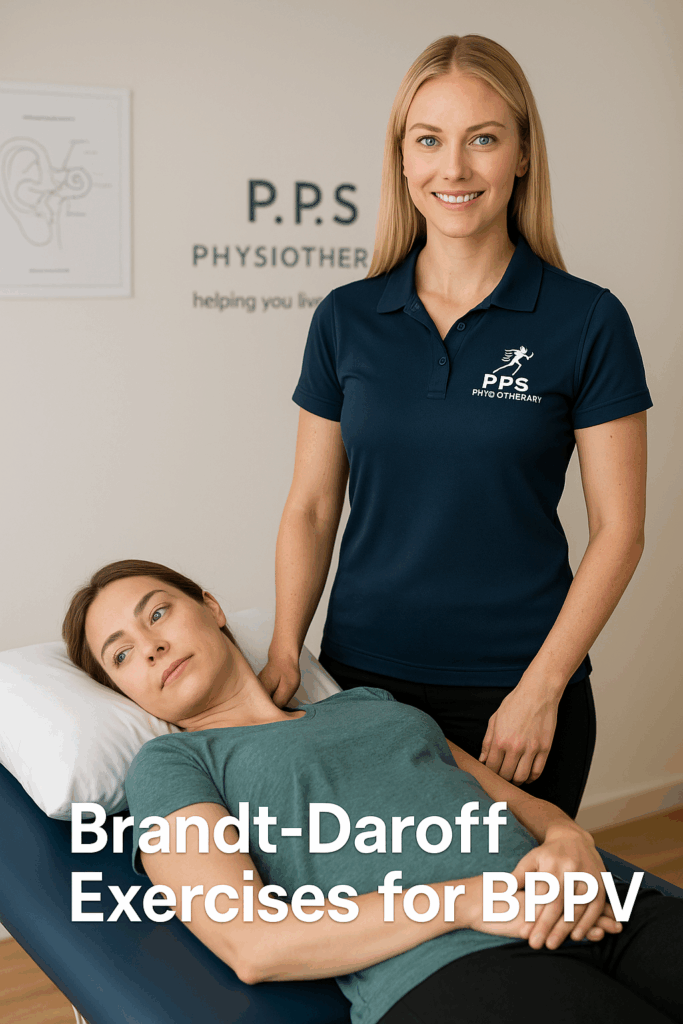
Female physiotherapist guiding a patient through Brandt-Daroff exercises for BPPV treatment in a modern clinic. The patient is lying on their side with their head turned 45 degrees as the therapist observes. The background includes an inner ear anatomy poster and the clinic’s logo.

Brandt-Daroff exercises help patients manage vertigo at home. These exercises allow the brain to adapt to dizziness, reducing vertigo symptoms. Physiotherapists often recommend these exercises for patients who have mild BPPV or after the Epley manoeuvre.

Why Choose PPS Physiotherapy for BPPV Treatment?

  • Experience and Knowledge: Our physiotherapists have years of experience treating BPPV and other vestibular disorders. They perform thorough assessments and deliver effective treatments for vertigo and balance issues.
  • Evidence-Based Approach: We use proven techniques like the Epley and Semont manoeuvres. These methods are based on the latest research, ensuring high-quality care for our patients.
  • Personalised Care Plans: We create individualised treatment plans based on each patient’s unique condition. This approach helps patients regain balance and confidence.
  • Convenient Locations: Our clinics in Kellyville and Carlingford are easily accessible, providing ongoing care for BPPV and other conditions.

Contact PPS Physiotherapy Today

If you have BPPV, physiotherapy offers a safe, effective solution. Our team at PPS Physiotherapy can treat BPPV with proven methods. Whether you’re ready to regain your independence or improve your balance, we can help.

Contact us today to schedule your appointment and take the first step towards a vertigo-free life!

Book an Appointment Now

Helpful Resources:

Learn more about vertigo treatment from the Australian Government’s health department.
Journal of Vestibular Research – Consensus on BPPV

The “Tech Neck” Epidemic

A visual guide to understanding Tech Neck — from causes to treatment options at PPS Physiotherapy

The “Tech Neck” Epidemic: Why More Young Adults Are Turning to Physiotherapy

Are you in your 20s or 30s, glued to screens—and suddenly facing neck or shoulder pain? You’re not alone. At PPS Physiotherapy, we specialise in Tech Neck physiotherapy to help locals move better and live pain-free.

At PPS Physiotherapy, we’re seeing a surge in posture-related injuries, especially in locals from Kellyville and Carlingford. It’s not just about stiffness anymore—“Tech Neck” is fast becoming a silent musculoskeletal epidemic affecting younger Australians working remotely or spending long hours on devices.


📉 What Is “Tech Neck” and Why Is It So Common Now?

Infographic explaining Tech Neck causes and symptoms

Tech Neck refers to the forward head posture and upper body strain caused by prolonged screen use. It’s particularly common in:

  • People working from home
  • University students
  • Young professionals using phones and laptops all day

Common symptoms include:

  • Stiff neck and shoulder pain
  • Headaches behind the eyes or base of skull
  • Upper back tension and poor posture
  • Wrist and forearm tightness from poor typing angles

📊 The Link Between Remote Work and Pain

Since 2020, remote work has exploded—and so have neck and shoulder complaints. Many clients from the Hills District and Parramatta area are working from makeshift desks or dining tables, creating:

  • Unsupported lower backs
  • Unnaturally low screens
  • Muscle overload from long static postures

Without correction, this leads to long-term spinal issues and chronic pain—even in otherwise healthy young adults.

Recent research confirms that Tech Neck is becoming increasingly common in both younger adults and working professionals, especially those spending long hours on screens. A 2024 study published in The Journal of Biomechanics highlights the link between prolonged digital device use and changes in cervical spine posture and muscle tension.


🛠️ How PPS Physiotherapy Can Help with Tech Neck Using Physiotherapy

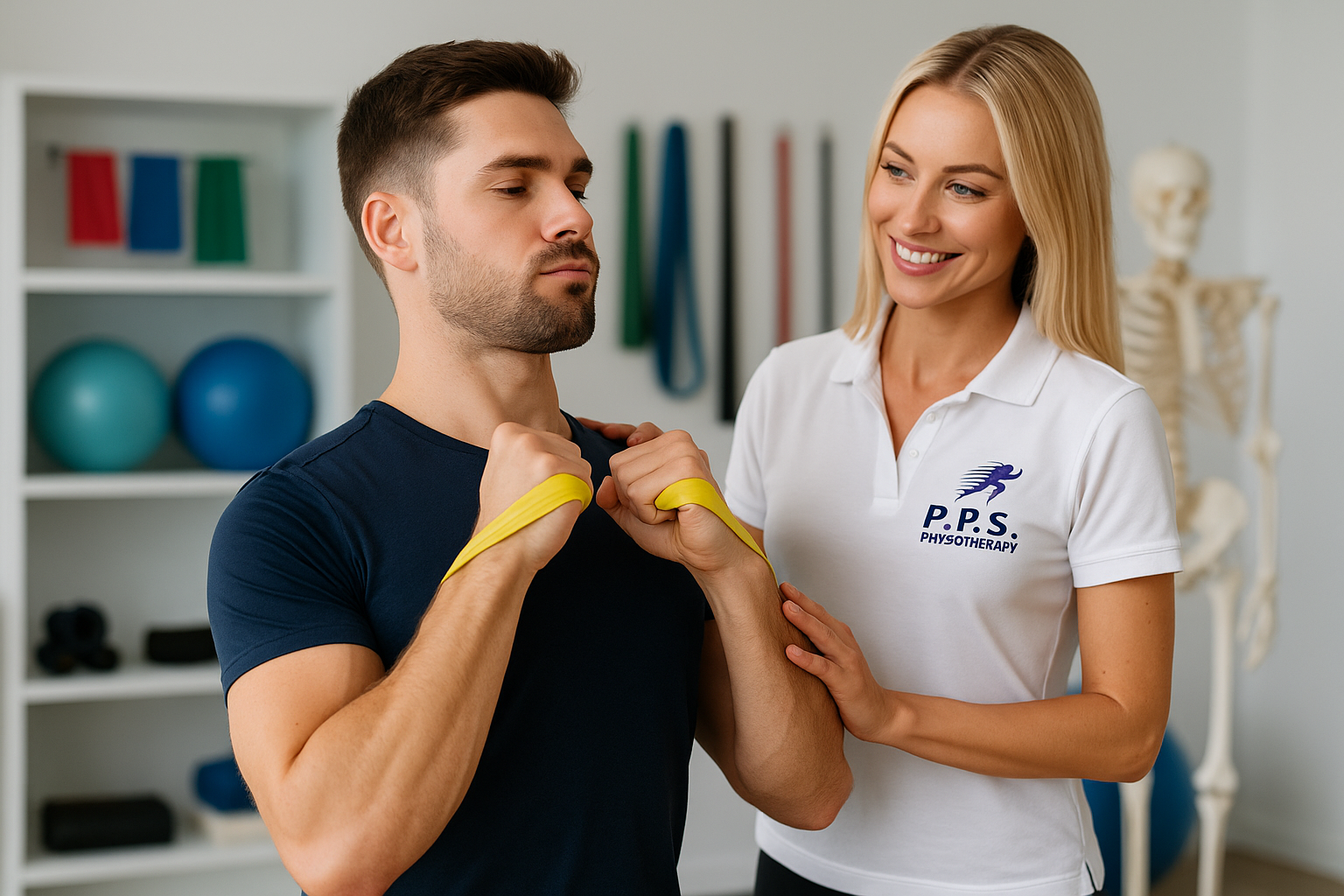
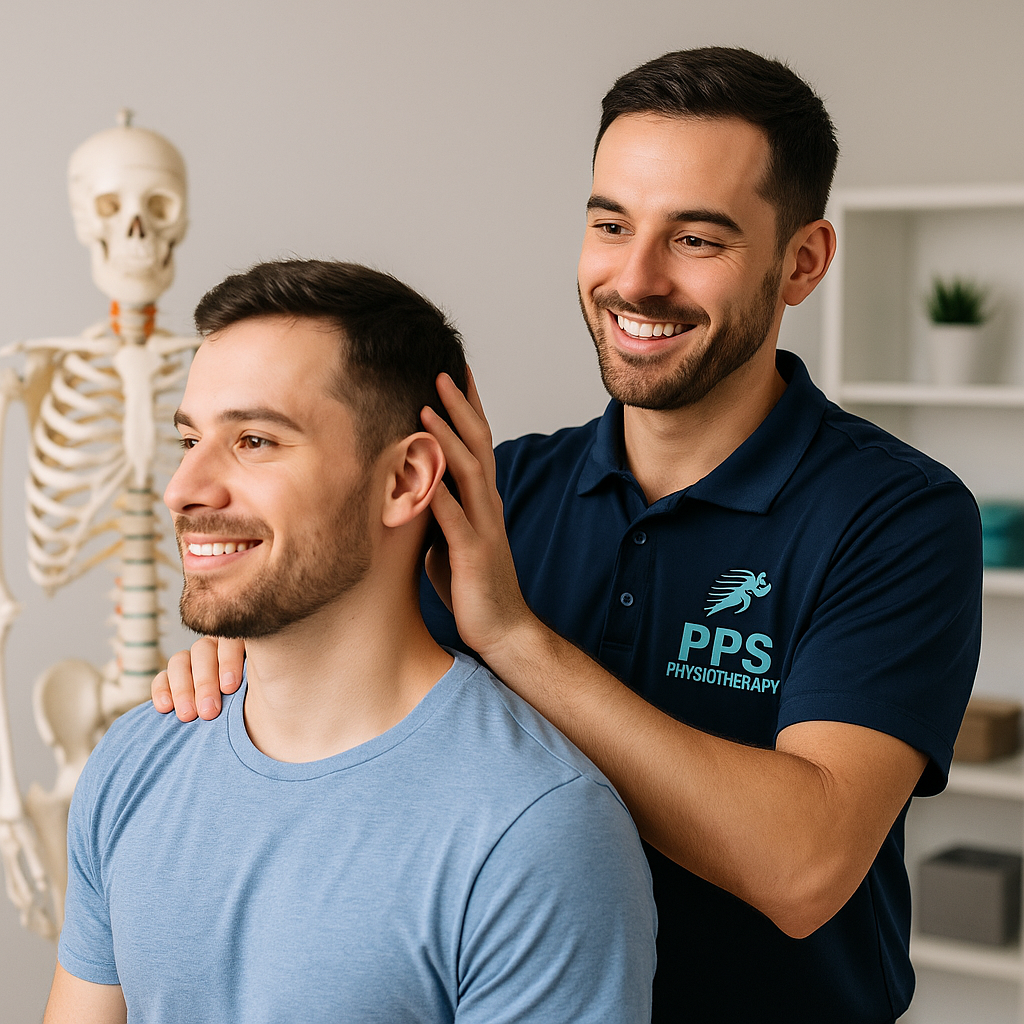
Female physiotherapist at PPS Physiotherapy supervising a male patient doing neck posture exercises in a modern rehab clinic

  1. Postural Assessment – We analyse your head position, shoulder alignment, spine curve, and sitting habits
  2. Manual Therapy – Soft tissue release and mobilisation to reduce tension
  3. Exercise Rehab – Strengthen weak postural muscles like deep neck flexors, glutes, and mid-back
  4. Ergonomic Advice – We teach you how to set up your desk, chair, and monitor correctly
  5. Movement Strategies – Custom micro-break routines to reset your posture throughout the day

🎓 Real Stories from PPS Patients

“I was spending 8 hours a day working from my kitchen bench. After 3 sessions, I could feel a huge difference in my posture and daily pain.” – Emma, 28

“My daily headaches were caused by screen posture. The PPS team showed me what to fix—and the pain is gone.” – Luke, 34


✅ Top 5 Daily Tips to Beat Tech Neck

  • Raise your screen to eye level
  • Keep your chin slightly tucked—don’t crane forward
  • Use a supportive chair with lumbar support
  • Take 2-minute breaks every 30 minutes: stretch, walk, reset
  • Do 5 shoulder rolls every hour to release tension

📞 Book a Postural Assessment Today

If you’ve been working from home or spending long hours on screens, don’t wait until the pain worsens. Our physiotherapists can help you fix the issue early—and prevent future injury.


The PPS Physiotherapy Difference

We don’t just treat your pain—we address the underlying cause with a modern, practical, and personalised approach. Whether you’re working from home in Kellyville, commuting from Carlingford, or studying full-time, we’re here to get your body back in balance.

Why Locals Trust PPS Physiotherapy for Musculoskeletal Pain Relief in Kellyville & Carlingford

Why Locals Trust PPS Physiotherapy for Musculoskeletal Pain Relief in Kellyville & Carlingford

Are you struggling with persistent back pain, a shoulder injury that just won’t go away, or recurring knee problems? You’re not alone. Musculoskeletal injuries affect thousands across Kellyville and Carlingford every year—but there’s a growing number of locals finding fast, long-lasting relief by turning to P.P.S Physiotherapy.

This blog explores why P.P.S Physiotherapy is fast becoming the go-to clinic for people of all ages looking to recover from pain, improve their movement, and get back to doing what they love—without relying on medication or surgery.


✅ What Are Musculoskeletal Injuries—and Why Should You Care?

Musculoskeletal (MSK) injuries affect the muscles, bones, joints, ligaments, tendons, and nerves. They can be caused by:

  • Poor posture at work
  • Sports or gym-related injuries
  • Degenerative changes (like arthritis)
  • Repetitive strain or overuse
  • A fall or sudden trauma

Common MSK injuries we treat at PPS Physiotherapy include:

  • Lower back pain and sciatica
  • Neck and shoulder tension (including rotator cuff injuries)
  • Knee pain, including patellofemoral and meniscal issues
  • Tennis or golfer’s elbow
  • Post-surgical rehabilitation
  • Hip bursitis, arthritis, and impingement
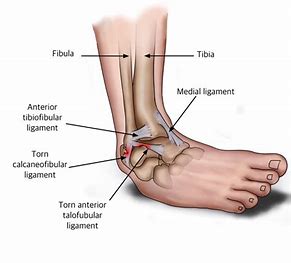
  • Ankle sprains and foot pain

These issues aren’t just annoying—they can reduce your ability to work, exercise, sleep, and enjoy life. That’s where we come in.


🏥 Why Choose PPS Physiotherapy – Kellyville & Carlingford?

There are dozens of physios across The Hills and Parramatta districts—but not all clinics are created equal.

Here’s why locals keep choosing us:

1. We Treat the Cause—Not Just the Symptoms

  • ✔️ Detailed assessments identify what’s really going on
  • ✔️ Personalised treatment plans address your unique goals and lifestyle
  • ✔️ We combine hands-on therapy, targeted exercise, and education to get you lasting results

2. Trusted by Local Families, Workers, and Athletes

Our patients include:

  • Busy professionals with neck/back pain
  • Parents dealing with postnatal pelvic issues
  • Tradies with shoulder or knee injuries
  • Seniors trying to stay mobile and independent
  • Weekend warriors recovering from sport injuries

We’re known for our warm, welcoming approach and our evidence-based, no-fuss care that actually works.

3. Highly Experienced Physios Who Genuinely Care

At both Kellyville and Carlingford locations, our physios are hand-picked for their clinical skill and human touch.

We treat people, not body parts. Our goal? To listen, empower, and guide you every step of the way.


💡 What to Expect in Your First Physio Session

Wondering what actually happens at your first visit?

  1. We listen. You’ll tell us what’s going on, how it started, and how it’s affecting your life.
  2. We assess. You’ll get a detailed physical exam to test strength, movement, nerves, posture and more.
  3. We explain. You’ll finally understand what’s causing your pain—and what you can do about it.
  4. We treat. Hands-on therapy, dry needling, taping or movement-based rehab, depending on what you need.
  5. We plan. You’ll leave with a personalised recovery roadmap and tools you can use immediately.

🔍 Real Results for Real People: Google Reviews Don’t Lie

⭐⭐⭐⭐⭐ “I had been struggling with shoulder pain for months. After 3 sessions with PPS, I was back in the gym and sleeping pain-free.” – Jane R., Kellyville

⭐⭐⭐⭐⭐ “Professional, caring, and effective. The team didn’t just treat my back pain—they taught me how to manage it long term.” – Michael W., Carlingford


🏋️‍♂️ Evidence-Based Treatment That Works

Modern physio is more than massage. At PPS, we offer a wide range of evidence-supported treatment techniques including:

  • Manual therapy (joint mobilisation, soft tissue release)
  • Exercise rehabilitation (custom strength & flexibility programs)
  • Dry needling
  • Postural and ergonomic education
  • Taping and bracing
  • Return to sport planning
  • Falls prevention for seniors
  • WorkCover and DVA injury rehab

Our physios regularly undertake continuing education to stay up to date with the latest research and methods—so you get the best possible care.


💬 FAQ: Is Physiotherapy Right For You?

Q: Do I need a referral to see a physio?
A: No GP referral needed unless you’re claiming under Medicare or WorkCover.

Q: Can I use my private health insurance?
A: Absolutely—just bring your card and we can claim on the spot.

Q: How many sessions will I need?
A: It depends on your condition. Some people improve in just 2-3 sessions, others require longer-term management for chronic or complex issues.


📍 Two Convenient Locations with Free Parking

PPS Physiotherapy Kellyville

📍 Located near Wrights Rd shops – perfect for locals from Bella Vista, Baulkham Hills, and Rouse Hill.

PPS Physiotherapy Carlingford

📍 Close to Carlingford Court and major bus routes – easily accessible for residents of Epping, Dundas, and North Rocks.


🎯 Ready to Take the First Step Toward Recovery?

Whether you’re in pain, recovering from surgery, or just want to move better, our friendly and experienced team is here to help.

  • ✅ Easy online booking
  • ✅ Appointments available early mornings and late evenings
  • ✅ HICAPS available for fast on-the-spot health fund rebates

👇 Book Now and Take Control of Your Pain

📞 Kellyville: (02) 9672 6752
📞 Carlingford: (02) 9871 2022
🌐 Website: www.ppsphysio.com.au


Final Word: The PPS Difference

In a world where people are tired of short-term fixes and guesswork, P.P.S Physiotherapy offers clarity, care, and proven results. Whether you’ve been in pain for 2 days or 2 years, let’s work together to build your recovery—your way.


I’ve Seen 5 Different Providers but I’m still in Pain!

Have you seen multiple health care practitioners but feel no better?

Have you spent hundreds of dollars to really not get anywhere?

Are you feeling lost and disheartened with your progress?

We see people just like you in our clinics fairly regularly. Quite often you have had pain/an issue for quite some time and have tried various different therapies with no avail. There is a vast array of reasons as to why this presentation happens but we are going to go over the most common ones to consider in this blog. Despite the reason behind why this has happened we can empathise that this is not a nice situation to be in and we really do all we can to get to the bottom of your issue.

Firstly, by the time people with this story come in to our clinic they usually have chronic pain or some kind of chronic dysfunction. “Chronic” can sound like a scary word but know that it is a way we categorise things. Acute conditions usually come on quickly and are resolved within < 6 months. Chronic conditions may come on quickly or more slowly but the main feature is that they persist for longer than 6 months. Knowing how long you have had a condition is important information for us to know as it may influence some of our thinking, education we provide you and treatment choices. More on that soon!

Let’s now explore the reasons why these presentations happen.

  • Incorrect Diagnosis or Treatment

In some situations you may have received a diagnosis and subsequent treatment and that treatment hasn’t helped. One of the first things we double check is do we agree with the diagnosis by doing our own assessment. If we do agree we then look at what treatment you have had and whether we think something is missing. Should we fail to come to a conclusive diagnosis we may ask you to return to the GP for further work up. This may include blood tests, imaging or referral to a specialist. If we disagree with the diagnosis and believe there is a different type of treatment that needs to be provided we would discuss this with you. In this situation we would advise on our reasonable expectations for recovery and set goals with you that you wish to achieve. This ensures we are working towards what you want to achieve over a time frame that we help to determine as being reasonable.

  • Therapist Shopping

This is a term sometimes used in healthcare to describe people who have had 1 session with multiple providers. We have no issue with patients seeking a second opinion or alternative treatments. It is your body and your choice at the end of the day. The problem with only having one session and moving on however is that you havn’t stuck to a treatment plan with anyone to know what is and isn’t going to work for you. Coming back to the chronic pain discussion above, if you have had pain for > 6 months, it is not going to go away in 2 weeks. We know that strengthening, in particular, takes time so you need to stick with one thing for 6-8 weeks at least to see if it is actually helping you. In the first session of treatment, there is only so much we can do and almost all rehab plans are designed to be progressive. This means we might need to do some foundational work and see how you tolerate it before we can really get into harder exercises.

Additionally, if you are seeing multiple providers in a very short space of time and you do get better (or heaven forbid worse) you have no idea what is making you better or worse. We often say to our clients in these situations we don’t mind who you see but don’t mix treatments together so we can figure out what is helping and what is not. Same thing applies within the one provider, if we assess you then do some massage work, dry needling, cupping, multiple stretches and multiple strengthening exercises all in the first session then we have no idea what is helping. The take home message here, is find someone you like and who you trust, follow their recommendations diligently for at least a month before moving on.

  • Chronic Pain is Complex

Another important consideration is that treating chronic pain can at times be very complex. It is one thing to have pain for > 6 months but it is an entirely different ball game when you add in financial/family/work stress, mental health issues, juggling life in general. All of these physical and psychological stressors can play into your pain presentation and heighten your nervous system. There are alot of changes that occur in the brain and nervous system once someone has had pain for a while. Imagine you have had low back pain for the past 15 years. You are going to be moving differently, adopt strategies to avoid movements that you feel trigger your pain, perhaps avoid certain things all together. We cannot undo 15 years of habits in a couple of weeks.

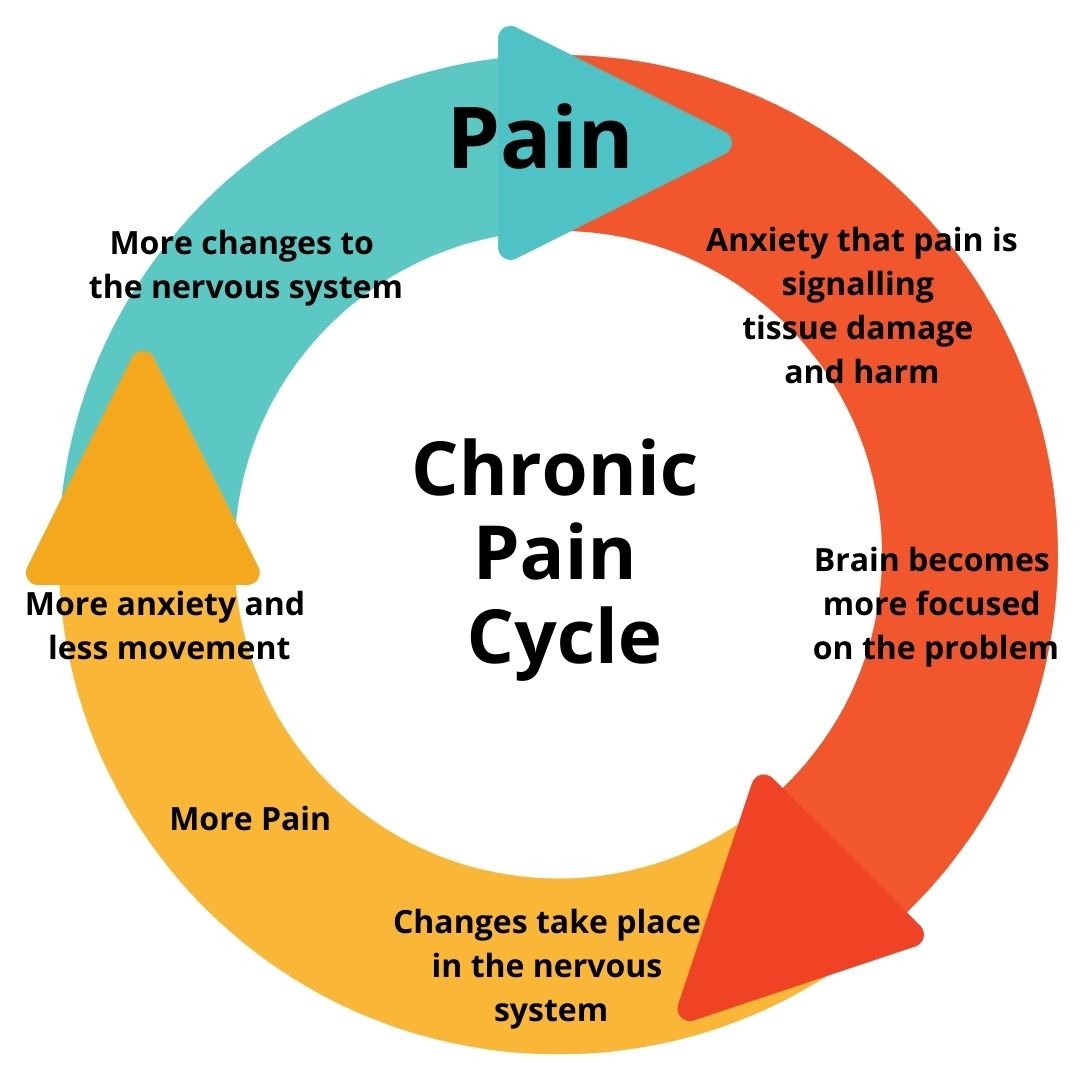
We also know that tissue sensitivity in the area of chronic pain becomes heightened. Your finger tips and lips are highly sensitive and should be able to feel lots of different surfaces with good discrimination. Your back however should not be as sensitive as your lips. Once you have chronic pain your tissue can become alot more sensitive and this increases the pain response in the area. As a consequence, you may experience a heightened pain response in comparison to someone who has not had chronic pain. Over time this can drive a chronic pain cycle.

\

  • Poor Treatment Compliance

A good health care practitioner should be able to present to you a plan for your treatment. This plan should be progressive and working towards your goals. This plan should list your exercises, advise how frequently you should be coming in for treatment, what you should and should not be doing at home and your reassessment time points. If you are frequently skipping sessions and going more time between treatment than recommended then this can affect your outcome. Likewise, if you have been prescribed exercises to complete each day at home and you are only doing them 1-2 times per week then this can affect your outcome too. It is important to be honest with your healthcare provider as to whether you are compliant or not as this can influence our recommendations.

Pain is often a good motivator for people to do their exercises and attend their appointments but not always. We often see patients who have high levels of pain but don’t commit to doing their homework. This is a challenging situation as there is conflict between your desired outcome and your actions. This is like saying I want to lose weight but I still want to eat more calories than I burn. There is a mismatch there between your goals and your actions.

  • It’s Not a Musculoskeletal Issue

Seeing as we are physiotherapists I am only going to talk about this with reference to the musculoskeletal system. In most everyday circumstances back pain is just that, pain coming from a musculoskeletal origin. In other situations, there may be something else driving your pain such as a systemic issue. Systemic issues may include autoimmune, inflammatory or organ related conditions to name a few. Typically speaking, for your pain to be coming from the musculoskeletal system you will usually have pain that is provoked by movement or postures. We should be able to reproduce your pain by pushing on certain structures or performing certain movements. If we are unable to mechanically provoke your pain we may become concerned that there is a non musculoskeletal driver to your issue. If we suspect this we would refer you back to your GP for further testing.

If you are struggling with a musculoskeletal issue that has been persistent for a long period of time reach out to our team for assistance. Our friendly physio’s will be able to guide you on what the next steps are and how to get to the bottom of your problem. You can contact our Carlingford clinic on 9871 2022 or Kellyville 9672 6752.

Will Physiotherapy Help My Sciatic Pain?

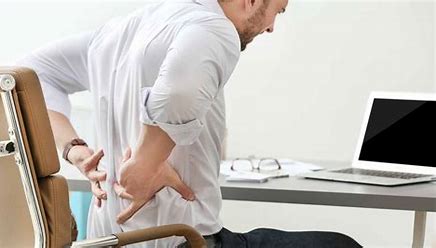
Pain in the back? Pain radiating down the leg? Can’t bear the thought of having to sit in the car? If you answered yes to any of these questions there is a good chance you are suffering from sciatic nerve pain. Sciatic nerve pain is also commonly referred to as sciatica.

What is Sciatica?

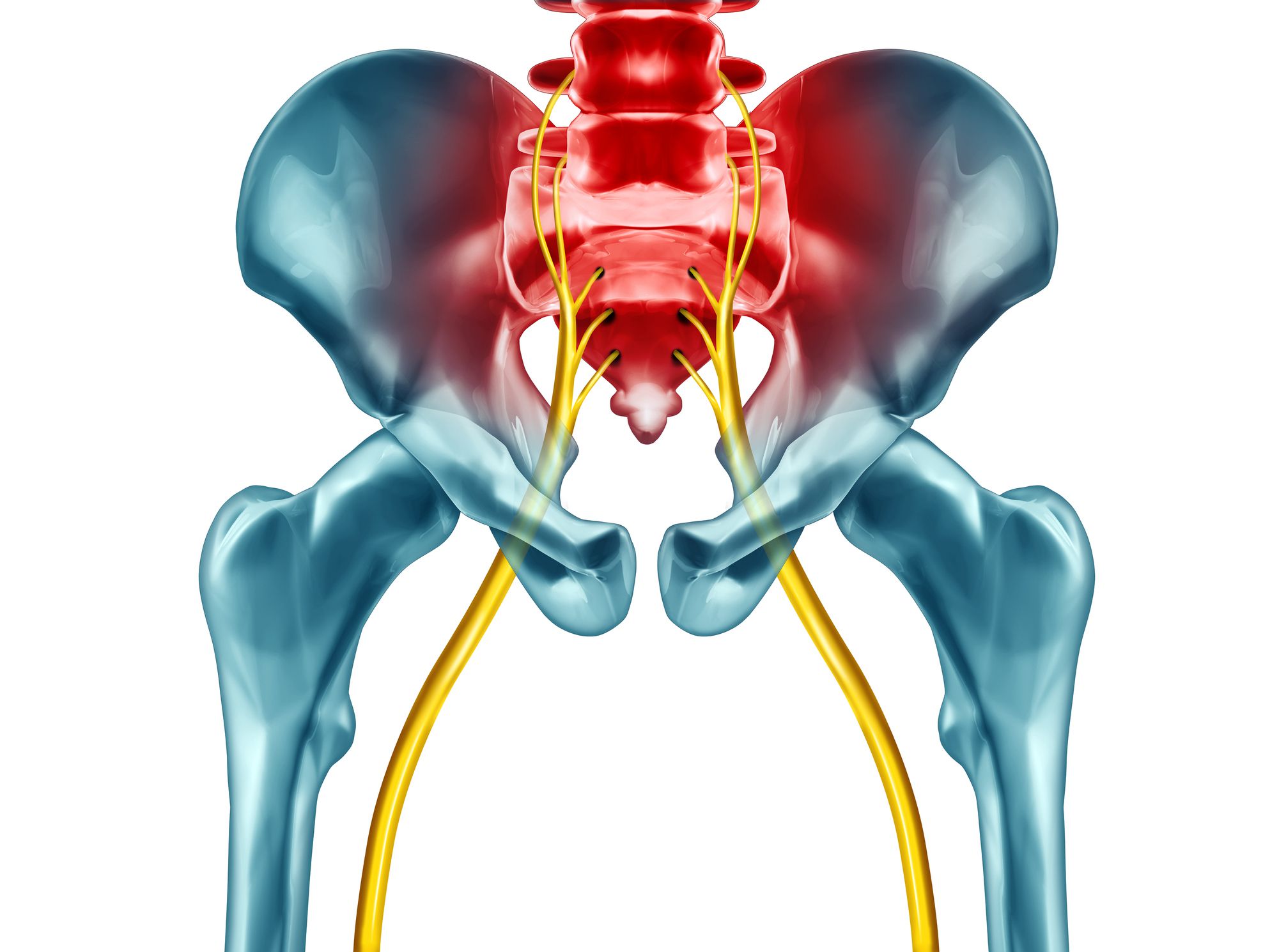
Sciatica affects one of the main nerves that supplies the leg called the sciatic nerve. Sciatica is caused by compression of the lower lumbar and upper sacral nerve roots that supply the sciatic nerve. It can also be caused by compression/entrapment of the nerve anywhere along its path. We actually have 2 sciatic nerves, one that supplies the Left leg and one that supplies the Right leg. The sciatic nerve is made up of a number of nerve roots which come out of each level of the lumbar spine. These nerve roots join to form one common nerve around the gluteal (buttocks) region called the sciatic nerve. As you start to move further down the leg the sciatic nerve branches out to supply different parts of the leg. Whilst the nerve is called the sciatic nerve, the term sciatica or sciatic pain is reserved for use when there is pathology of the nerve.

What kind of symptoms would I be experiencing if I have sciatica?

Below is a list of the most common symptoms we see when people have sciatic nerve pain;

  • Unilateral (one sided) leg pain that is usually more severe than any concurrent lower back pain
  • Pain localised to the posterior thigh ie buttocks, hamstring and calf region
  • Possibly pins/needles and numbness affecting the limb but not always
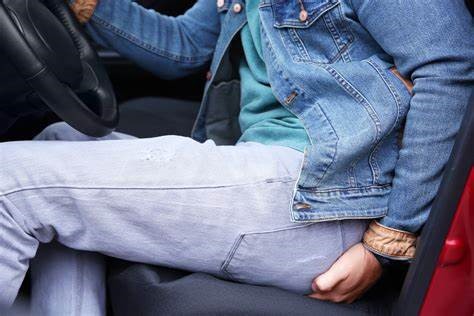
  • Pain typically aggravated by sitting
  • Positive Slump Test – click on the link below to try out this quick test that you can try on yourself!

https://youtu.be/HFGfP84uwEo

Help I think I have sciatica, what can I do about it?

If you have any of the aforementioned symptoms and a positive slump test there is a high probability your are suffering from sciatica. First and foremost you SHOULD see a physiotherapist to get a formal diagnosis and management plan. But who am I kidding if you have got this far you are probably looking for some self management options to try first! Don’t worry we’ve got you!

  • Avoid sitting

Sitting for prolonged periods can be one of the main aggravating factors for your sciatic nerve pain. Try and avoid long car trips and where possible get up from your desk every 15-20 minutes. Even better, try a standing desk to alleviate some of the pressure.

  • Gentle Exercise

Gentle exercises can be one of the best forms of treatment! Try going for a short walk and see if that eases your symptoms. You should find the pain gets better not worse as you are walking. If your pain is increasing stop and speak to your healthcare provider.

  • Self Release Work

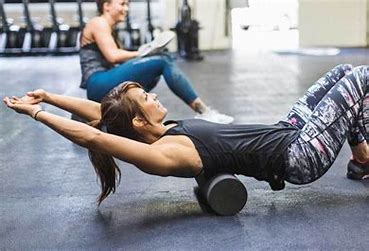
If you find your glute is feeling really tight and sore you can try putting a massage ball between your glute and the wall and rolling around on it. This can help to alleviate some of the pressure on the nerve and thus provide some short term pain relief.

  • More Specific Exercises

There are a couple of physiotherapy exercises you can try to self manage your sciatic pain. These should not cause a worsening of pain whilst you are doing them or after. Remember these exercises are based off general advice and you should seek the opinion of a health care professional as to whether they are right for you.

Knee rocks

  • Lie on your back with your knees bent up and the feet flat on the bed
  • Keeping the knees together gently rock from side to side

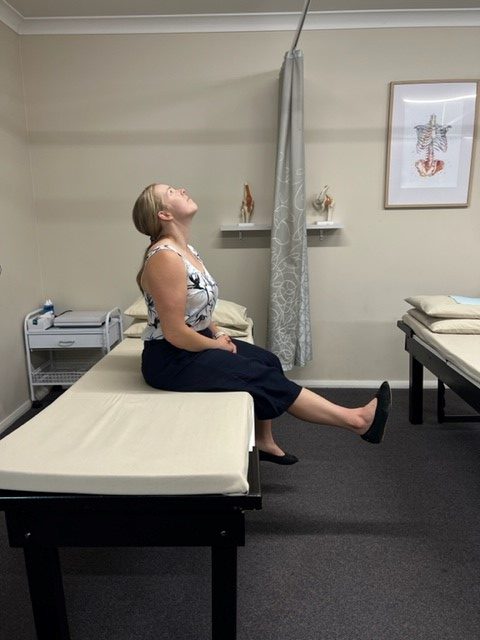
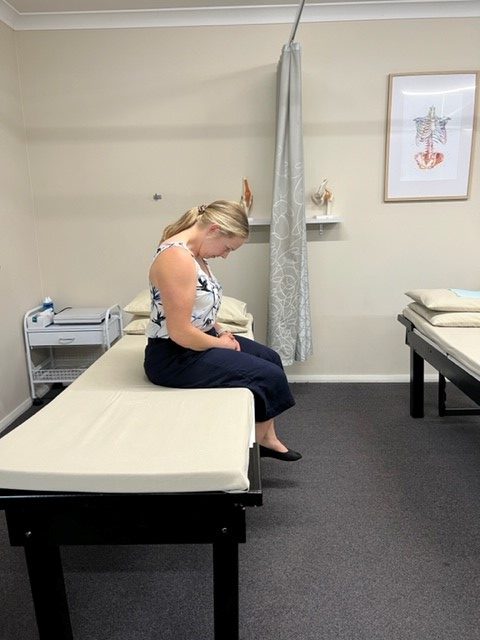
Kick Your Head off Nerve Slider

  • Start by sitting on the edge of a bed or chair
  • As you straighten the affected leg forwards tilt your head back simultaneously (Image 1)
  • Once you have reached the end of the movement or onset of pain bring the leg back down and under the bed/chair and place the chin on the chest (Image 2)
  • This should be an oscillating, gentle movement back and forth, you should not hold at the end as you would in a stretch


When should I be concerned?

We know that all pain can be concerning for you however there are some things that you should look out for that may signal a worsening of your condition. These may include;

  • Saddle anaesthesia – pins/needles or numbness in the area on the inside of your thighs/crotch
  • Gross loss of motor power in one or both legs
  • Gross loss of sensation in one or both legs
  • Changes to your bladder or bowel function
  • Severe un-relenting pain that is not able to be eased by altering position

If you experience any of the above symptoms you should call the ambulance or attend an emergency department for further treatment.

What will you do if I come to the physio?

Every consultation always starts with understanding you! This includes your history, pain, hobbies, work, things you want to get back to etc. This initial discussion can tell us alot about why the pain may have started, things that make it better or worse and how it is affecting your life. From there we will perform a physical assessment which may include looking at your movement, feeling for any tightness/soreness and performing some special tests that aid in providing an accurate diagnosis.

Once we have a diagnosis for you (assuming it is sciatic pain) we will offer you treatments that are customised to you. This may include one or several of manual therapy, dry needling, interferential, traction, exercises, advice and education. Think about it like a mechanic with a toolbox, the mechanic has a number of tools in the box to fix something but they choose the one that is best for the job in front of them. This is the same as physio’s! Once we have provided the selected treatment we will make sure you are setup with a home program that we will instruct you to complete regularly.

How long will it take for my sciatic pain to go away?

Sciatic pain will usually take somewhere between 6-8 weeks to be resolved with physiotherapy management. There are some outliers to this number with some people taking less time and others taking more time to resolve. The majority of cases of sciatic pain that we see resolve uneventfully without the need for further intervention. If someone is experiencing a worsening of their sciatic pain or progressive neurological symptoms we may refer you onto a neurosurgeon. You can take comfort in that over 90% of our patients achieve a full resolution of there issue with conservative physiotherapy management alone.

If you have any questions regarding sciatic pain or have been putting up with this condition get in touch with our team today. There is lots of things we can do to help you and get you living life pain free. Call our Kellyville clinic (9672 6752) or Carlingford (9871 2022) to make an appointment today.

Run Like The Wind

Running is a crucial aspect of many sports. It’s also a very common way for people to injure themselves due to a combination of running technique, muscular imbalances and core instability. It’s not just running in straight lines that can be an issue. More often than not it’s peoples’ inability to change direction that puts them in dire straits. So why do these injuries happen, and what can physiotherapists do to not only help you run pain free, but faster and snappier than ever?

The most common running injuries tend to be repetitive strain or overuse injuries such as:

  • Tendinopathy of the patella, achilles or hamstrings
  • ITB Friction Syndrome
  • Shin Splints
  • Plantar Heel Pain

The most common acute injuries tend to be muscle tears commonly in the quadriceps, hamstrings and adductors.

The above injuries are commonly associated with running specifically but other lower limb injuries can occur in sports that require a lot of dynamic movement ie soccer, netball, rugby. That’s when we can start to see our more gnarly ligament tears and cartilage injuries. Running and running sports can leave you potentially vulnerable to a variety of injuries if you aren’t careful. So why do these types of injuries even happen?

Tendons

Tendons are strong pieces of fibrous connective tissue that connect muscle to bone. Their other primary function is to produce movement, but they also function to absorb force. Tendinopathies occur when these structures become overworked in response to excessive load. Increasing your running volume or speed too quickly can certainly set off a lower limb tendinopathy.  When there is too much load placed on a tendon too soon they can undergo a number of biochemical changes, some of which are degenerative and some which are protective. When there is an imbalance in these processes we end up with overall degeneration and disorganisation of the collagen matrix, tendon thickening, loss of mechanical properties and pain.

Ligaments

Ligaments on the other hand, whilst also fibrous connective tissue – are designed to connect bone to bone. Their primary function is to limit excessive movement of a joint, provide proprioceptive input and help with joint position sense. Ligaments are put under a lot more strain when it comes to change of direction movements, which can cause excessive stretch/strain and subsequent tears. How would running create such strain?

Well running is actually a very high impact activity. Whenever we run, we are producing internal force in order to propel ourselves forward, and as our foot strikes the ground it produces an equal amount of force which travels back up through our leg. This is known as ground reaction force, and whilst there are multiple components to this, the one that’s most relevant is the Vertical Component of Ground Reaction Force, or VGRF. This is the force that resists the downward motion of the leg and propels us up and forward again. In terms of force magnitude, VGRF can reach 3 to 5 times our body weight, which is all going through one leg. When you combine VGRF with the number of strides you take over the course of your run/game, you can see that there could be quite high loads going through your tissues.

Muscles

Two muscle groups which can become quite neglected when it comes to running are the adductors and core. Our adductors are always active during running, as they decelerate the femur as the foot hits the ground. They also assist to stabilise the pelvis while your foot is on the ground together with the glutes, spinal and abdominal musculature. They also assist the hip flexors during leg recovery and work with the calf muscles during push off. The adductor muscles also provide a counter-force to the glutes which can pull the leg into abduction and external rotation, in order to keep the femur tracking forward as you run.

The adductors are also very important when changing direction. They absorb a lot of force when changing direction laterally. This puts them under a lot of eccentric stress, and despite their importance in function they are often a neglected and under-trained muscle group relative to our quads, hamstrings and calves.

What about the core muscles?

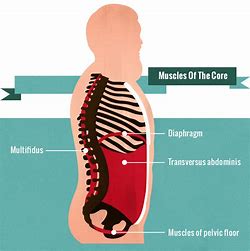
Core stability during running provides a solid foundation to enable the arms and legs to move through their full ranges of motion smoothly, and produce force effectively. Improving core strength therefore allows the hips, lower back, arms and legs to expend less energy and work together more smoothly. This reduces the amount of strain which has to be absorbed by the legs. As a result there is a reduction in injury risk potential for improved performance. Without a strong core the torso begins to wobble, creating energy leaks and adverse changes to how load is distributed throughout the body.

Where does physio come in?

Okay so you’re having problems while you run, but how can a physio help? There can be multiple contributing factors to running related injuries and it can be difficult to figure out where the issue is stemming from. A physiotherapist can conduct a full assessment to determine where you may have weaknesses, imbalances, technique issues or coordination problems and give you a personalised strengthening program to address these problems and get you back on the field. Depending on where problems may present, exercises may include a combination of core stability, hip and adductor strengthening, hip flexor lengthening and technical drills. Your physio can work together with you to determine which exercises are best for you, and specific to what you want to be able to achieve.

Running injuries are extremely common, and tend to arise due to functional weaknesses in areas of the body that can be neglected and undertrained. This leads to an increased amount of stress and strain that is absorbed by other muscles, tendons and ligaments. Training these areas can bring our body back into balance and ensure that the high amounts of force generated during running are distributed effectively, reducing injury risk and optimising performance. If you want to get the most out of your running, get in touch with us on 9672 6752 (Kellyville) or 9871 2022 (Carlingford) and one of our friendly staff will be able to arrange an appointment with you.

Eeek! I Am Worried About My Child’s Posture

Something we have seen alot in the clinic lately is parents bringing in their 8-18 year olds with concerns about their posture. Perhaps you have noticed they are starting to sit in a slumped position more often, perhaps their chin is also poking forward. We often hear the similar story of “I’ve tried telling them to sit up tall but they just don’t listen!” This is frustrating for both the child and parent. You feel like they are not listening to you and they feel like you are nagging. It’s a lose lose situation.

If this is sounding awfully familiar to you, read on!

What are some of the reasons my child has poor posture?

Technology Use

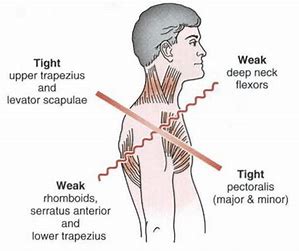
Spending too much time on technology is the most common reasoning from parents that we hear. There is plenty of research to back up that spending too much time on phones or laptops can promote the adoption of poor postures. When poor postures are sustained for a prolonged period of time our muscles can become tighter in one direction and weaker in the other. This mismatch of muscle forces can induce pain and make it physically much harder to resume a ‘good posture’. This might might be why your child says “I am trying to sit up tall but I just can’t”.

School Bags

Another reason for poor posture and postural related pain can be the use of school bags. Most high school aged students will have multiple classes per day. This requires them to transport up to 6 subjects worth of books, textbooks, laptop, clothing for sport, lunch etc. This can mean a child is carrying up to 8-10kgs on their back. If you then add in walking to and from school and between classes they might be carrying this load for anywhere between 1-3 hours per day.

The type of school bag is also of vital importance. Backpacks are certainly preferable to over the shoulder bags. Backpacks distribute the load equally between the Left and Right shoulders/spine. On the other hand, one shoulder bags place all the load through one side of the body. Whilst your child might alternate sides they usually have a preferable side and will use one side more than the other. Over time this can cause pain and discomfort through the shoulders, neck, upper and lower back.

Embarrassment About Height

This has to be one of the most under rated causes of postural issues! In children and adolescents who are comparatively taller than their peers we often observe stooping type behaviours. The child often feels that this makes them blend in more amongst their peers and not stand out as much due to their height. Being embarrassed about their height is typically not information your child will offer up willingly unless you ask the question. I would say on average 50% of patients whom I ask this question to say they are sitting slumped due to their height.

Is their a specific diagnosis for postural conditions?

In some cases their is a specific diagnosis that we can provide. These may include;

  • Upper Cross Syndrome
  • Text Neck
  • Dowager’s Hump

Other times we might refer to the condition more generally as Postural Related Upper Back Pain or Postural Related Neck Pain. It is important to remember that a diagnosis is purely a label and doesn’t dictate how we treat you. We treat the impairments and dysfunctions that we find that is individual to each person.

What are the treatment options?

Treatment will vary person to person and really depends on what is causing the pain. If we go through the aforementioned causes of postural related pain and dysfunction you can get a bit of an idea as to what management might look like.

Technology Use

The use of technology in this day and age is inevitable. Simply telling your child not to use is it, is just not going to cut it. We need to promote optimal workstation setups for your child to complete their school work. This should look like a designated desk with a proper ‘office’ type chair. You can refer to our earlier blog (click the link below) to assist you in setting up your child’s desk/chair. We want to avoid doing school work on the floor, bed and lounge as these will often promote adoption of poor postures.

https://ppsphysiotherapy.com.au/working-from-home-guide-to-staying-healthy/

You may also want to consider limiting your child’s use of technology. If they are spending 8hrs/day during the school holidays on their phone, Playstation or computer then you might need put some rules in place around technology use. Perhaps a hard no with technology causes too much friction, why not suggest an active tech game like Wii Fit or Nintendo Switch? This provides the best of both worlds!

School Bags

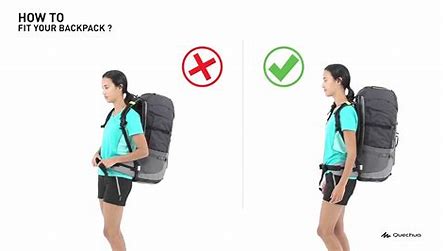
School bags should always be a backpack type with two functioning shoulder straps. Off the shoulder bags are not recommended as they place a high load through one side of the body which can lead to muscle imbalances and pain. Where possible school bags should weigh no more than 10-15% of your childs bodyweight. Ideally high school students should utilise a locker and swap their books over at recess and lunch to offload some of the weight during the school day. 

The back pack should be adjusted so that it sits high on the back and not hanging down low over the gluteal region.

Embarrassed About Height

This is a really tricky one! We can’t change a child’s height and children grow at variable rates. The tallest child in primary school may end up being the shortest by the end of high school. Providing lots of education and re-assurance that no one else is bothered by their height is a good starting place. Encourage them to embrace it! Sometimes this discussion coming from a health practitioner can be better received than coming from a parent. Because what would mum and dad know – insert teenage eye roll.

Physiotherapy

Physiotherapy will look different for each child as we always customise our treatment plans. Generally speaking though, we would offer some short term pain relief through manual therapy work as our first point of call. We would always prescribe your child with specific exercises to help alleviate their pain in both the short and long term. This might look like mobility exercises, strengthening exercises or a combination of both. Other options include dry needling, postural taping or postural bracing where deemed necessary. We will provide an abundance of advice to both your child and to you as the parent. We always encourage parents to sit in on the consult so that they can see and hear what happens to oversee compliance to treatment at home.

If you are concerned about your child’s posture or they are having postural related pain, get them seen by a physiotherapist for further evaluation. Our staff are all well experienced with treating postural related pain in children and adolescents. Make an appointment to see one of our friendly staff by calling 9672 6752 (Kellyville) or 9871 2022 (Carlingford).

Working from Home: Guide to Staying Healthy

With the advent of COVID-19 as well as general advances in technology, more people than ever are now working from home either full time or in hybrid roles. This has created a big change in the way many of us now work. Patients often report working from benchtops, counters, couches or in bed. Additionally, most people are now using laptops instead of desktop monitors.

A recent survey in America of 856 people working remotely:

  • 40% aren’t working from a dedicated desk
  • 20% are working in the living room
  • 30% are working from the master bedroom
  • 60% were unable to bring equipment from the employer
  • One third reported personally purchasing equipment to help them work remotely

These changes in work patterns have created an increase in reported neck, shoulder and lower back pain. Another survey commissioned by American insurance company Chubb in 2020 showed 41% of people were reporting new or increased pain in these areas since they started working remotely. This often happens as people don’t have optimal ergonomic setups at home and reduced access to good quality equipment.

What is Ergonomics?

Ergonomics refers to the study of people’s efficiency in their working environments. It looks at the interplay between anthropometry (body shapes and sizes), biomechanics (muscles, levers, forces, strength), environmental factors and much more. Ergonomics is about creating the optimal work environment for people to ensure they are able to work at their best and minimise the risk of injury. Sitting and working postures are the most likely causes of working from home injuries. Thus, ensuring that people are well set up from home is one of the most effective methods of injury prevention for people working remotely.

How does poor Ergonomics affect us?

When sitting, the most common mechanism of injury is sustained tension due to straining of the neck and lower back. This is because we require a constant isometric contraction in our neck, shoulders and back in order to maintain our posture. The muscles continue to contract over time but because they are not moving, blood flow to the muscles is reduced and this increases tension and soreness. As our muscles become more tense and sore, the neck begins to round forward because the muscles are becoming weaker and are unable to support us as well.

Sitting for long periods of time can also affect our lower back by inhibiting our gluteal muscles. This is known as gluteal amnesia and occurs due to us becoming less reliant on our hips to maintain upright posture and create movement thus weakening them over time. Weakness in our hips leads to increased strain and stress on our lower back over time as well.

In addition to the musculoskeletal impacts of poor posture, excessive sitting can also lead to metabolic changes. This may include decreased release of a molecule called lipoprotein lipase, which helps to process fats and sugars. This can lead to increased weight gain over time and in the long term a higher risk of metabolic syndromes.

How can we optimise our working posture?

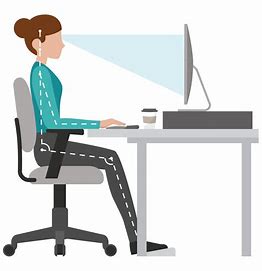
When working from home, there are a variety of factors we can adjust in order to remain as comfortable as possible during work hours. Ideally when working at a desk, people should be sitting in a supportive chair with a neutral spine, 90 degree angles at the elbows, hips and knees with feet flat on the floor. This may require us to adjust various things in order to achieve this ideal posture such as our chair and screen height/distance.

  • Chair

Our chairs should support our spinal curves, have a backrest that is high enough to support our entire back and be positioned at such a height that our feet remain flat on the floor.

  • Desk

The desk should have enough clearance for the knees and be positioned at a height where the elbows can rest comfortably at a 90 degree angle with relaxed shoulders. If the desk is too high and cannot be adjusted, raise the height of the chair and add a foot rest if your feet leave the floor. If the desk is too low and cannot be adjusted, place sturdy boards or blocks underneath the desk legs.

  • Keyboard and Key Objects

Keyboards and key objects should be kept close to the body to minimise reaching. Whilst typing or using your mouse, keep your wrists neutral and your hands level with or slightly below the elbows.

  • Monitors

Monitors should be placed at an appropriate distance away to minimise eye strain. When looking at the screen, your gaze should line up with the top third of the screen. If the monitor is too low, increase the height of the monitor using a monitor stand. If the monitor is too high and cannot be adjusted, increase the height of the chair or desk. Many people working from home also primarily work via a laptop. The same principles can be applied for a laptop screen or alternatively it can be connected to an external monitor.

What else can you do?

Whilst optimal working postures are important for reducing injury risk, the most important behaviour we can implement when working from home is to incorporate regular movement throughout our day. Improving our posture is helpful, but prolonged amounts of time in any sedentary position will have similar impacts on our body. Breaking these up with regular posture breaks will encourage blood flow and counteract the effects of sitting. 20 minutes per day for seven days or 30 minutes for five days is a good starting point.

Working from home has created a new set of challenges for many people trying to minimise their injury risk and maintain healthy activity levels. Appropriate work setup can reduce the strain that we place on our bodies whilst we’re working and taking regular postural breaks will increase our activity levels throughout the day. This may help to counteract the negative effects of extended sedentary postures. These factors are key in keeping people healthy for as long as possible, whilst working from home.

If you are having any pain related to prolonged desk use book an appointment to see one of our friendly physiotherapists at Carlingford (9871 2022) or Kellyville (9672 6752). Our physiotherapists can assist with resolving your pain and advising on your work station setup.

Turn Those Grumbly Feet Into Happy Feet

Our feet are essential to our overall body function, yet for all the work they do they’re quite neglected. Unless you’re bedridden you are always putting load and pressure through your feet in some way, shape or form almost constantly throughout the day. And if those feet keep working overtime without any care, love and affection then they’re going to let you know. Usually, it’s in the form of plantar heel pain (more commonly known as plantar fasciitis).

What is plantar heel pain?

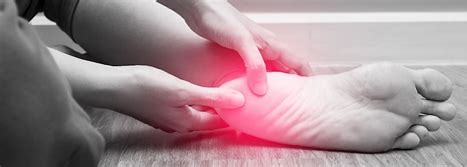
Essentially, it describes pain that you get on the underside surface of your foot where the plantar fascia attaches into the heel. But let’s dig a little deeper into what the plantar fascia is, what its function is and why you might irritate it.

The plantar fascia is a broad piece of connective tissue which begins at the heel before fanning out to attach to each toe. It’s made up of three distinct components: the medial arch, lateral arch and central component (aponeurosis). Most people experience pain either in the medial arch or central aponeurosis. The plantar fascia and aponeurosis have a few roles to play in the body which include:
– Protection of deeper structures in the foot e.g. nerves and blood vessels (the feet and hands are the most densely innervated parts of the body and so need a massive security detail)
– Maintain the arches of the foot
– Attachment point for foot muscles
– Limit excessive dorsiflexion
– Distribution of load across the foot

So turns out the foot’s kind of important. And it’s more important than we realise because the foot also affects the biomechanics of the rest of our leg too. So if our feet aren’t working optimally, we can end up paying the price at our ankles, knees and hips. How does your foot end up overloaded? The simple answer is excessive strain/load through the foot. This makes sense considering the aponeurosis is like a tendon for flat muscles. So even though fasciitis implies inflammation, it tends to behave more like a degenerative tendinopathy.

What causes excessive strain through the foot?

Excessive strain can be caused by a sharp increase in load/volume, abnormal foot mechanics, repetitive high impact activity (e.g. running), prolonged standing on hard surfaces, a tight calf, anatomy, etc. All of these factors can lead to an eventual breakdown of the plantar fascia, which then leads to localised pain underneath the foot. The most common pattern of symptoms is pain first thing in the morning, which then gradually eases throughout the day before getting sore again in the afternoon/evening. In athletic populations, early stage issues present the same before progressing to soreness pre and post activity, and finally towards excessive soreness which limits activity.

How do we treat plantar fasciitis?

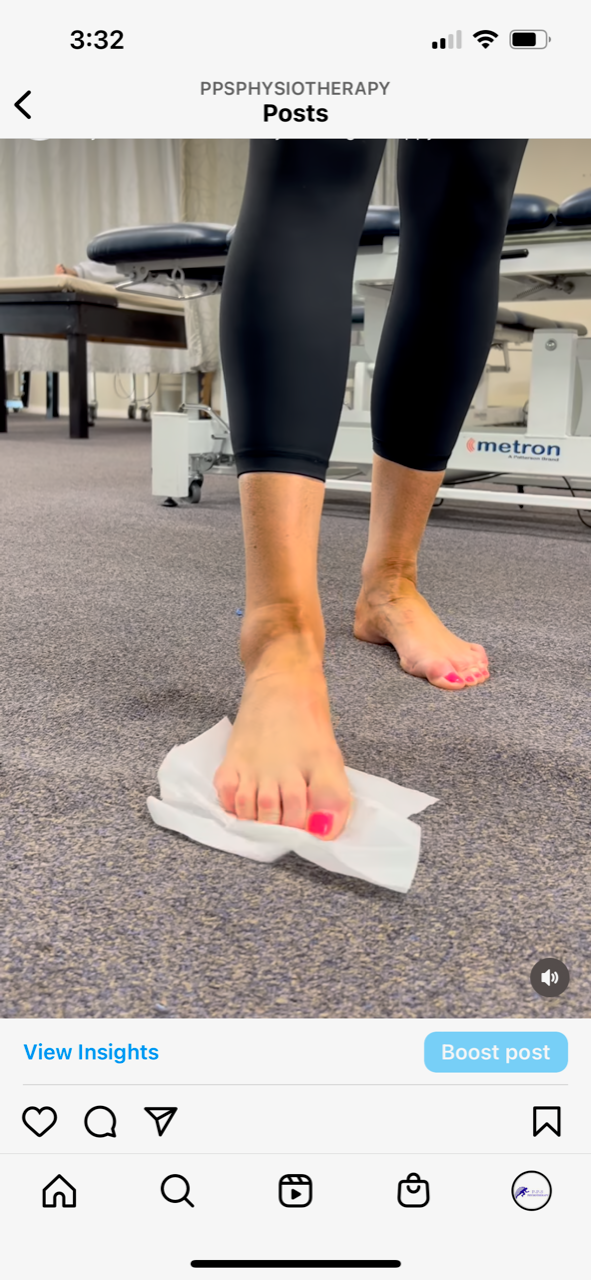
It really depends on what is causing the issue! Most plantar fascia issues resolve after approximately 10 months with conservative management. They’re treated with a combination of activity modification in some way, home exercises, orthotics if you have abnormal foot mechanics and if all that fails you, injections. If you click on the link below to visit our Instagram page, there are a selection of intrinsic foot muscle strengthening exercises that we love! Having stronger foot intrinsics can help to prevent the onset of plantar fasciitis.

https://www.instagram.com/reel/CmLQoADJK8X/?utm_source=ig_web_copy_link

Due to plantar heel pain being caused most commonly by excessive strain, reducing activity levels in the short term prevents the plantar fascia from continuously being overloaded, and gives it a chance to rest and heal. Rest here is relative, and does not require complete cessation of activity, moderation is usually the better bet. Once the pain has settled a little bit, then you can begin some progressive strengthening for the muscles of the foot and ankle to support the plantar fascia, and prevent it from being continually overloaded in daily activities.

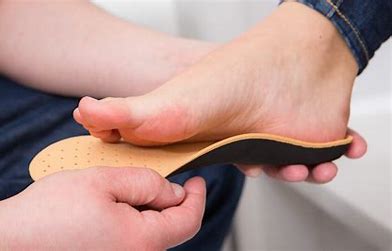
If there’s also excessive strain related to foot mechanics these can be corrected via orthotics. People who have flat feet can be predisposed to plantar fasciitis, as a collapsed medial arch limits effective load distribution and can subsequently increase the amount of pressure placed on the plantar fascia. An orthotic can assist with lifting the medial plantar arch, distributing pressure more effectively and subsequently supporting the plantar fascia. Orthotics can also be used in people who may not necessarily have a flat foot, but have an over-pronating walking pattern where the foot rolls inwards excessively mainly due to some kind of muscular imbalance in the ankle or foot. Orthotics can also be used to temporarily support the arch and provide relief whilst the appropriate muscles are being strengthened up.

If these don’t work, then you can move to other modalities such as cortisone injections, PRP (Platelet Rich Plasma), or even extracorporeal shockwave therapy (ESWT). Cortisone is a powerful anti-inflammatory which can be used to settle down any acute inflammation and relieve pain. PRP involves taking your own blood, separating the platelets out and reinjecting it into the injured site to promote tissue healing. PRP does not carry the same risks of tendon breakdown as cortisone, however its effectiveness in treating plantar fasciitis is yet to be completely determined. ESWT involves high energy shockwave impulses to stimulate healing but this has also shown inconsistent results.

Regardless, the vast majority of cases (over 90%) resolve within 10 months with conservative management, surgery is extremely rare. Most people get quite significant relief in less time than that with a combination of supportive footwear/orthotics, strengthening exercises and activity moderation. If you have unhappy feet, get in touch with us on 9672 6752 (Kellyville) or 9871 2022 (Carlingford) and one of our friendly staff will be able to arrange an appointment with you.

Vinay Karamil – Physiotherapist

Physiotherapy and Performance

Everyone you speak to has heard of Physiotherapy, knows a good Physiotherapist, has had an experience with Physiotherapy in the past, or is currently being treated for some sort of pain or injury by a Physiotherapist. You may know who we are and what we do, but did you know that our skill set goes beyond just injury management? We can be of assistance to plenty of people who aren’t currently managing an injury but instead want to maximise their athletic performance. Are you a sporty weekend warrior, want to step up your football or netball game, or trying to improve a certain skill for your chosen sport? Well, we can certainly help you with that!

How can Physiotherapy address athletic performance?

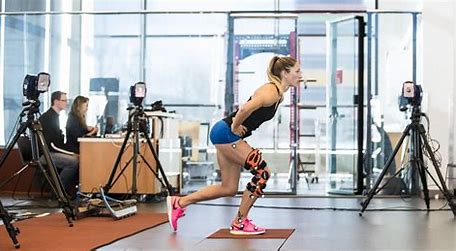
A Physiotherapist has been trained to assess every muscle and joint in your body, and can critically analyse your movement patterns and biomechanics. We can identify exactly what is weak, what is tight, what is strong and what could potentially be limiting you when it comes to your chosen activity. We can assist you in developing aspects of athleticism that are specific to your sport including strength, speed, flexibility, coordination and movement patterns. Sometimes we as humans develop and train our bodies in a way that becomes very well suited to a particular sport, however weak links can be holding us back from achieving our full potential. Identifying these muscle imbalances, and appropriately training to correct them, is crucial to assisting you reach that next level! Over time, unidentified weaknesses may predispose us to injuries or limit our ability to express our physical capabilities. A Physiotherapist with a good eye for detail can assist in addressing these weak links with an individualised exercise program with the aim to maximise your performance.

How does this relate to you in a practical sense?

Well here’s an example for you to think about…

Say you would like to run 100m in 10 seconds. You’ve put in all the hard work in the gym and on the track to get yourself as strong and quick as you possibly can before the next big track comp. However, no matter how many barbell squats you do in the gym, you just can’t crack that 10 second flat – that squat training just isn’t transferring to the track! You head on over to the Physio and after a battery of testing they explain to you that your glute is weak in comparison to your quad, or the timing and activation of your glutes and hamstrings is slightly mismatched. The Physio then watches you sprint and can clearly see the lack of hip movement throughout your running technique. Half an hour later, you’ve had a thorough examination performed and have been provided with some specific rehabilitation drills to strengthen your hip, correct your muscle imbalances and ensure everything is in proportion with each other throughout your sprinting motion. With some diligence and commitment to your new exercise regime, you’ll soon be seeing the numbers on the stop watch you’ve been dreaming of!

Getting injured is one of the most frustrating aspects about sport, and particularly annoying for any athlete who is training regularly for high level competition. Being able to train regularly and consistently allows us to perfect our craft and build towards high level performance, however an injury can really set us back in our preparation. Sustaining an injury typically leads to not being able to participate in sport or exercise for a certain period of time. Nobody likes sitting on the sidelines, and rehab often feels like a tedious process to get back to a fully functioning level again. However, the rehab process is crucial to allow our bodies the best opportunity to rest and recover before progressing towards our goals once again. Having a Physiotherapist on board with your injury management gives your body the best chance it can to heal, gives your mind the clarity and education you need to overcome any barriers, and gets you back to your training in the most timely manner.

Strength and Conditioning

Training for any sport needs a certain level of strength and conditioning. Whilst elite athletes have access to strength and conditioning coaches and Physiotherapists everyday, not everyone has this luxury. However, your friendly neighbourhood Physio can also provide you with recommendations regarding strength and conditioning for your sport, coaching on correct exercise technique and give you the tips and tricks to be able to perform at your best. And here’s a clue… there’s all sorts of things you can do at home with minimal equipment that helps build strength, stability, power or flexibility – whatever you need!

How We Can Help

One thing that’s important to remember about Physiotherapists is that we are fundamentally movement specialists. Analysing movement and biomechanics is our bread and butter! So if you’re struggling with your technique we are ready and willing to help you identify what it is you need to rectify these problems. We can look at your movement patterns and correlate any technique issues you may have with functional deficits we may find in our assessment, and subsequently give you the tools needed to address your form. Many Physiotherapists are sports fanatics themselves and come from a health and fitness background, so we tend to have a fairly good grasp on ideal technique across a multitude of sports and activities.

Physiotherapy is inherently a collaborative process where we work together with you, and in many cases your coach or teammates, in order to achieve your goals and succeed in your chosen field. We will make sure that our advice and prescription aligns with your coach or trainer’s long term program and can assist in modifying anything along the way to ensure your drills and exercises are tailored specifically to you. This applies to any technique cues or injury management plans that would be useful to your performance.

Physiotherapists can do so much more than just helping you rehabilitate an existing injury. We can provide you with the tools to prevent injuries from occurring in the first place so that you can keep focused on your training and perfect your craft. We can provide insight on muscle imbalances or technique corrections that would enhance your performance, and give you input on functional weakness that may be limiting you from performing your best on game day. So if you’re looking to up your sporting game, give our friendly staff a call to arrange an appointment and come and visit us at our Kellyville or Carlingford practice!