What is causing your hand and wrist pain?

Whether you’re catching and throwing a ball, standing on your hands, lifting heavy weights, or working at a computer, everybody uses their hands and wrists in their day-to-day life. In sporting athletes, hand and wrist injuries make up 25% of all injuries. They can be quite painful and debilitating, leading to a decline in performance and a large impact in your day-to-day activities. Due to the complex and multitude of structures in the wrist, it can often be difficult to determine what is causing your wrist pain. However, a better understanding of what is causing pain in your hand and wrist can give you a better idea of what needs to be done to manage your pain.

Ligament injury – Ligament injury, often called “Wrist sprains” usually happen after a traumatic event such as a fall, finger dislocation, or jarring a finger. There are multiple ligaments in the hand that can be injured but the most common ligaments injured are the ones that hold the bones in your wrist together. Symptoms of ligament injuries vary from person to person but it is usually accompanied by swelling, bruising, clicking sensation, loss of grip strength, a snapping or popping sensation, or pain when twisting your wrist.

Fracture – Fractures commonly happen in the forearm bones or the small wrist bones and usually happen after falling over and landing on the hand, during high impact sports, or during a car/motorbike accident. When you fracture your wrist, it is commonly associated with a crack or popping noise at the time of injury and there may be a deformity in your arm. This popping is accompanied by swelling, bruising, tenderness, and great difficulty moving the wrist. It’s important that broken wrists are treated as soon as possible so that bones heal properly and there are no permanent problems.

Arthritis – Arthritis is common in middle aged to elderly people but it is still possible to get it in your hand and wrist when you are young. You are more likely to be affected by arthritis if your family members have or have had it. The three most common types of arthritis that affect the wrist are Osteoarthritis, Rheumatoid arthritis, and post-traumatic arthritis. In the age where the majority of people are using hand-held devices and with the increase in number of office workers, the prevalence of hand and wrist osteoarthritis is becoming greater and greater. The most common symptom that suggests the presence of arthritis is swelling and a deformity of the hand. Other symptoms include tenderness, redness, warmth, and stiffness.

Muscle overuse – People who are required to continuously use their hands through the day are most susceptible to suffering overuse injuries. This can range from office workers who are constantly typing and using pens, construction workers who are continuously hammering and lifting objects, and even mothers who are constantly picking up their newborn babies. Prolonged periods of high load or stress on the muscles and tendons can cause them to become irritated and inflamed and cause changes to the structure. Common symptoms of overuse problems include pain, tenderness, and decreased strength.

Nerve issues – Because the hand is a very sensitive area, there are many nerves which can cause pain and discomfort when injured. Nerves can be injured from trauma such as being cut, crushed, or overstretched but can also be injured from prolonged periods of pressure, especially in office workers who are pressing against their nerves when they are typing all day. When the nerves are injured, they are unable to deliver messages properly to the hand resulting in burning or freezing sensation, pins and needles, numbness, decreased strength, un-coordinated movement, and reduced ability to feel sensations or surfaces.

So if you or someone you know has been getting pain in their hands and wrist and are unsure what the cause is or what you can do to get better, book an appointment to see one of our friendly physiotherapists at our Carlingford (9871 2022) or Kellyville (9672 6752) practice.

Kevin Guo B.AppSc (Physiotherapy

How Important is Rest?

Are your muscles always feeling sore, stiff and heavy? Do you feel fatigued and under the weather frequently? Do you find it hard to concentrate and feel restless? Has your sleeping pattern been altered for the worse?

These are all common signs of over-training. A lot of people choose to increase the amount they workout and the intensity of their workouts in hopes of achieving quicker results. However, this may actually be limiting the changes you are able to make because you are missing one key ingredient in your workout regime… REST. Exercise can become addictive as it releases endorphins, dopamine and other exercise generated factors into the brain. With the increase of intense fitness competitions and intense group training sessions individuals can be at risk for over-training. Rest days are crucial for your performance for a variety of physiological and psychological reasons. 

  1. Rest days can make you stronger

When training you are not actually gaining strength during your workout. Lifting weights causes tiny tears in the muscles because it is being exposed to a load it is not used to. Building muscle actually occurs in the recovery phase. The body performs a process called protein synthesis where it begins to build the muscle back up after your workout. This causes muscle hypertrophy which makes the muscle bigger allowing you to lift more in future sessions. If you do not allow substantial time between workouts you do not give your muscles the ability to repair themselves which can result in reduced muscle gains and increased susceptibility to injuries. By not allowing your body to repair muscles fully between workouts you begin a cycle of constant muscle breakdown which will affect your strength and performance.

  1. Give your nervous system a break 

Your nervous system plays a crucial role in training. During your session you are exposing your body to physical stress. This activates your sympathetic nervous system which is responsible for the fight in ‘flight or fight’. Your body cannot tell the difference between being chased by a bear and you hitting a PB on your deadlifts. Being in this fight response for too long without rest can wear out your nervous system and lead to fatigue, burnout, injury or illness. Working out is only one portion of your day and you have other commitments that require your attention such as work, social commitments, finances and family time. It is super important to prioritise your days and figure out if a workout is just adding to the already overworked nervous system and maybe a rest day is more beneficial to you physically and mentally.

When training becomes an integral part of your day it can be scary to think about stopping. But we have compiled a couple of key tips you can use to ensure you are resting adequately and achieving optimal performance in your sessions.

1. Listen to your body – listen to how your body is feeling, your rest day does not have to be a day of no activity at all. Instead think of alternatives if you are feeling up for it, maybe take a nice walk, go for a gentle bike ride, perform mobility/stretching exercises or go to a yoga class. These can all be great ways to break up the intensity of your sessions while still staying active. However, if you are craving a day to do nothing then take a complete rest day and chill out with that book you never had time to finish or carve out some time to visit family or a friend. Listen to what your body needs and give in to it. You will go back to the gym feeling refreshed and ready to give it your all.

2. Follow a 10% rule – when wanting to increase your workouts try and follow a 10% increase. Don’t increase your volume or intensity by more than 10% this will avoid injuries due to overloading the muscles. At the end of the session you should feel like you can do more, you should feel energized not completely wiped out and exhausted. If you do feel like that you may have trained harder than what your body can handle at that point in time. Build yourself up to this by small incremental increases in your training regime.

3. Plan out your workout week – at the start of the week plan out your weekly workouts and what you will train when. Make sure you leave at least 24 hours between training the same body part and incorporate a rest day into your week. Set aside a day or two for rest, these can be active rest days or complete rest days depending on what your body needs. By setting out a plan you are more likely to abide by this and receive adequate rest between sessions.

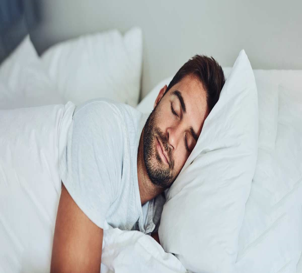
4. Aim for a quality 8 hours sleep a night – sleep is a really important factor in recovery. Sleep helps to provide energy to the body and the brain. Research shows that lack of sleep can lead to the body producing more cortisol a.k.a the stress hormone. Lack of sleep can also reduce the body producing glycogen and carbohydrates for energy use. This all increases the possibility of fatigue, low energy and poor focus. Set yourself a bed time that allows you to get 8 hours of sleep a night. Also try and avoid eating sugary foods before bed or using your phone, both of these can negatively affect the quality of your sleep.

5. Make sure you are eating well and drinking enough water – your nutrition is vital to your health and wellbeing and has a direct impact on your athletic performance. Throughout the day make sure you are eating enough carbohydrates, protein and fats for your body and your goals. By eating a well-balanced healthy diet you are giving your body the resources it needs to help you recover quicker and you will generally feel more energized and happier. Ensure you are drinking enough water, if you are thirsty you are already dehydrated. Your body is 80% fluid and you are constantly losing this throughout the day so you need to make sure you are replenishing this by sipping on water throughout the day. A general rule of thumb for drinking water throughout the day is to aim for 8 glasses.

If you are interested in finding out some more info you can check out these resources below:

Roy, Brad A. Ph.D., FACSM, FACHE Overreaching/Overtraining, ACSM’s Health & Fitness Journal: March/April 2015 – Volume 19 – Issue 2 – p 4-5 doi: 10.1249/FIT.0000000000000100

SleepFoundation.org. [2020] ‘Sleep & Athletic Performance, and Recovery’ Retrieved from: https://www.sleepfoundation.org/articles/sleep-athletic-performance-and-recovery#:~:text=The%20quality%20and%20amount%20of,consolidate%20memory%2C%20and%20release%20hormones.

  • Brooke Sullivan (B.Ex.Sport.M; M.Physio)

Checklist to Return to Sport Post ACL Reconstruction

So, after almost a year of rehabilitation, you’ve nearly reached the end and can’t wait to finally return back to playing sport. However, even after undergoing the surgery, there still remains a risk of re-tearing your new ACL or even the ACL in your opposite knee. In a systematic review, it was found that the overall risk of re-rupturing your new ACL is 2 – 10% and the risk of rupturing your other ACL is 8 – 16%. The most common time to re-injure your is knee is within the first 2-6 years after returning to sport. This suggests that many people are returning to sport too early without finishing a thorough rehab program and achieving all the appropriate milestones. In order to make sure that you are truly ready to return, here are a few tips and guidelines to prepare you.

  • Wait AT LEAST 9 months after surgery- Going back to sport any earlier than 9 months post ACL reconstruction greatly increases your chances of re-rupture/tearing. For every month you delay returning to sport and continue with your rehabilitation (up to 9 months after the surgery), the risk of re-injuring your knee reduces by 51%. By waiting to return to sport, the tissue has time to heal and your mental well-being surrounding return to sport improves.
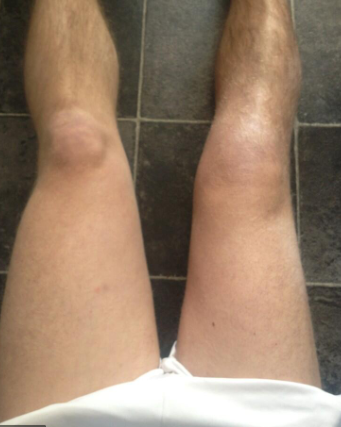
  • Wait for swelling to reduce and ensure knee is stable/not giving way – If you are continuing to experience the feeling of your knee giving way, it is a sign that there is still some instability within the knee. You should not be returning to sport if your are experiencing ongoing instability as you may risk further injury. It is also important that there is no swelling left in the knee and that it looks symmetrical to the uninjured knee.
  • Range of motion and muscle strength in quadriceps are equal – You must be able to achieve AT least 120o knee bend and be able to completely straighten your knee before you return to sport. A 2017 study found that only about 14% of young athletes have equal strength in their legs even after being cleared to return to sport which shows that this is an important factor that people aren’t addressing enough in their rehabilitation. It is important you have equal strength in your quadriceps before you return to sport as this will allow you to maintain your ability to play sport and avoid injury.

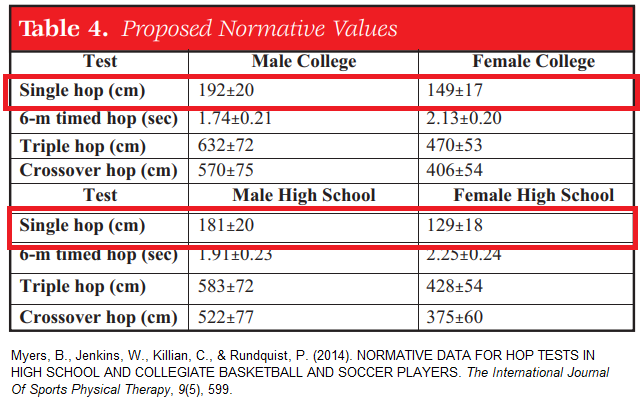
  • Equal hopping distance on both legs – It is important that you are able to hop the equal distance on both legs AND also have good landing technique before returning to sport. This suggests equal strength and function in the leg muscles, and those who were able to achieve equal hopping ability had twice the odds of returning to sport. It is important to note that this can be an inaccurate measure if the uninjured leg has significantly de-conditioned during the rehabilitation. The proposed normative data is shown below

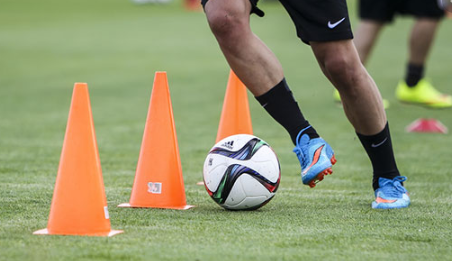
  • Perform a gradual return to sport – Your return to sport rehabilitation program should start with sport-specific exercises that do not cause pain or swelling. This is particularly important for athletes who are returning to high pace sports with a lot of stop start motions or rapid change of directions. After waiting 9 months and achieving the above criteria, you can then progress to unrestricted training as it has been shown to result in better knee function in the long term than those who didn’t. You should undergo AT LEAST 10 full training sessions before returning to games, as it allows you to gradually become accustomed to the pace and demands of a sport, which is difficult to replicate in a clinical setting.

  • Be mentally ready to return to sport – One of the main factors that prevents athletes from returning is the anxiety regarding re-injury, and many opt to avoid sport altogether. It is also common for athletes undergoing rehabilitation to experience mental health problems due to the severity and impact of the injury. Therefore, it is also important to integrate mental healthcare providers such as sports and health psychologists to working alongside your physiotherapist and trainers during your rehabilitation to ensure you have the best outcomes.

So if you or someone you know is getting ready to return to sport make sure you are truly ready and are at a low risk of re-injuring yourself. Book an appointment to see one of our friendly physiotherapists at our Carlingford (9871 2022) or Kellyville (9672 6752) practice and we can assess you to make sure you achieve all the appropriate criteria.

  • Kevin Guo (Physiotherapist)

How do I Safely Return to Sport or the Gym Post COVID-19?

Many of you are keen to get back into your regular exercise routines and sports post COVID-19. However, the predictions indicate we are going to see a surge in soft tissue injuries as we start to ramp up again. In fact, when Germany’s Bundesliga Football competition returned in May their match injury rates soared to a huge three times that of pre-lockdown rates. Most of these teams had undertaken a period of 3 weeks of training prior to resuming competition and are part of a professional league with access to high level coaches and medical professionals.

What are soft tissue injuries?

Most of the injuries we are predicting to increase are muscle strains, ligament sprains and tendon issues. Traumatic fractures are usually more related to a contact or fall mechanism and typically won’t be influenced by a period of time away from sport.


But I am going back to the same gym/sport that I have done before?

Our tissues like stability and will adapt depending on the demands placed upon them. For example, if you go to the gym and lift heavy weights your body will adapt by adding additional muscle tissue and getting stronger. If you are someone who during lockdown couldn’t access a gym and have started running instead this is a completely different load. When you return to the gym it is not wise to resume the exact same program you were doing previously as you have likely lost some strength. It is best to leave your pride out of it and start with an easier program (less weight/volume/number of days) and gradually build up over time.

If you are going back to a team sport this is also very different to running in a straight line or around the park. Often there are added stability demands, changes in direction, contact and higher tissue loads. A well structured, sports specific training program should gradually expose you to the loads required by your chosen sport. This gradual exposure allows the body to adapt on both a tissue level and also at the level of the nervous system. Our nervous system is the computer which controls all of our movement and sensation. We can train our nervous system to be more responsive and therefore we will have better control of our muscle and joints. Ideally you should have a minimum period of 6 weeks of sport specific training leading up to re-commencement of matches.

Are there any training programs I can follow?

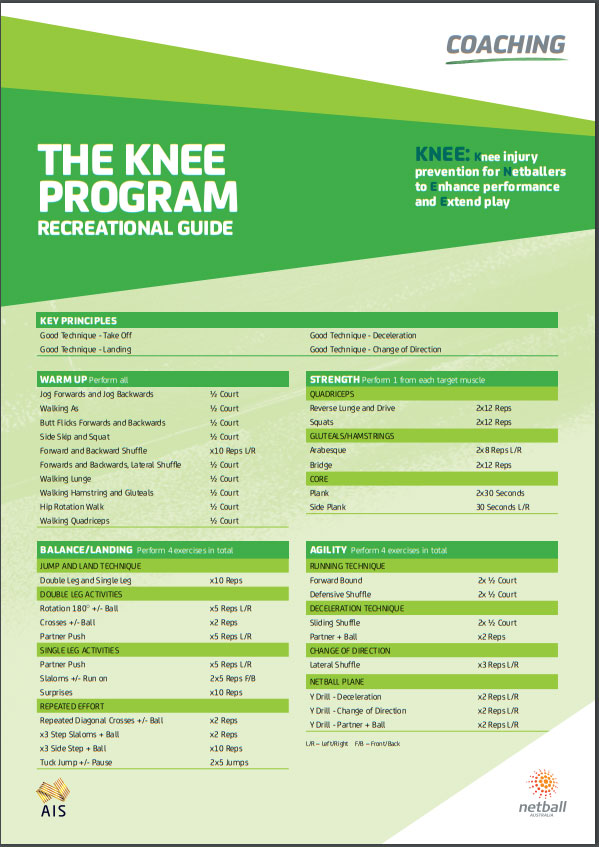
The best option is to get back into training with your team however if your club hasn’t resumed yet there are definitely things you can do. If you play soccer or netball there are 2 injury prevention programs available that we typically recommend to be included in a warm up however they are a great place to start with resuming some match readiness. The soccer program is called FIFA 11+ and the Netball Knee Program is specific to netball players and can be adapted to any age and level of play. Both programs are readily available online.

Alternatively, you could ask your personal trainer or physiotherapist for a program specific to you and any other injuries you may have had previously. This will ensure you are undertaking a progressive program allowing ongoing adaptation and readiness for return to sport. If you are looking for a personal trainer to help you get back into fitness or kickstart some fitness goals please contact our physiotherapy team. We will be able to recommend a trainer based on where you live and what your goals are.


So even if I took up running during COVID-19 that’s not enough?

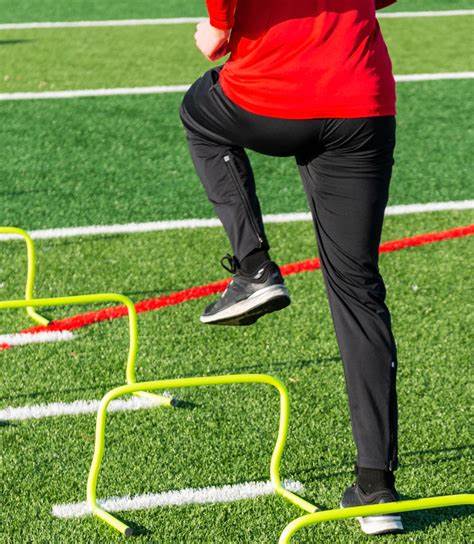
It seems everyone turned into a runner during COVID-19 with all treadmills selling out and lots of people being out and about at ovals. However, running in a straight line does not replicate the demands of weight training or a dynamic sporting situation. Running is a great cardiovascular exercise but will not fully prepare you for the resumption of your normal activities. Sports such as netball and soccer have much greater demands including changes in speed, side to side movement, contact, changes in ground surface, single leg landing and jumping. These are all tasks tasks that need to be trained to ensure you can execute the various movements safely and with skill.

What could happen if I go too hard too soon?

This is a bit like how long is a piece of string and it could range from nothing to something quite severe requiring surgical intervention and time off sport. It is important to remember not everyone who resumes sport too soon will sustain an injury, there are many factors at play as to why someone becomes injured and someone does not. However, statistically your likelihood of sustaining an injury is greater if you do not undertake a comprehensive pre-season/training program. Some of the more major injuries we will see include complete ruptures of muscles and tendons, ACL and other knee ligament ruptures, ankle ligament ruptures. All of these injuries typically require a lengthy rehab period, up to 18 months in some circumstances. On the less severe end of the spectrum, a muscle strain (aka tear) may take 4-6 weeks to heal. However given this appears to be a shorter sports season that could be half your season that you will be out injured.

How can I best avoid injury when returning to sport?

  1. Start a sports specific training program 6-8 weeks prior to the commencement of competition.
  2. Gradually build the volume and intensity of your training
  3. Start with reduced training duration and number of days and gradually increase this over the 6-8 weeks
  4. Ensure you warm up and cool down prior to each training session and match
  5. Wear any protective clothing/gear that you would usually wear eg, ankle guards for netball
  6. Recruit a qualified coach/physiotherapist/personal trainer to help guide you through return to training and sport in a graded and safe way
  7. If you start to feel any niggles get it seen to early so you aren’t starting the season with a lingering injury


If you need any further assistance with returning to sport please contact our friendly team of physiotherapists on 9672 6752 (Kellyville) or 9871 2022 (Carlingford).

– Kimberley Cochrane (Bach Physiotherapy, First Class Hons; GradCert Sports Phys)

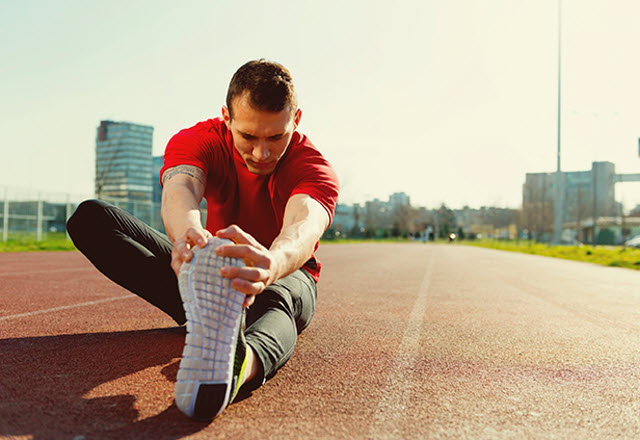
Tips for Staying Fit at Home

Stuck at home with no gym? Are the kids driving you crazy? Finding yourself looking at the fridge every 20 minutes?

With all the new social isolation and quarantine laws around today closing down gyms and bootcamps it can be very difficult to stay active and healthy at home. Regular exercise is essential in these times not only for your physical health but also for your mental health. Staying active helps to protect you against conditions such as diabetes, high blood pressure, osteoporosis and heart attacks. It is also proven to reduce stress and anxiety in individuals. Exercise makes you feel good, more relaxed and helps you to sleep better.

Five Tips:

  • Set routine

In times like this when you are required to stay home it is extremely important to maintain a set routine day to day. Try to go to sleep and wake up at the same time every day. This will ensure you are getting enough rest and recovery daily to function at your best. Aim for 8 hours of sleep a night. Break your day up into sections e.g. morning, midday, afternoon and night. Have tasks that you need to achieve in each section of the day. This will limit the chance of you procrastinating important tasks and give you a sense of pride once completing the tasks you set for the day.

  • Workout of a morning

It is the easiest to complete your workout first thing of a morning. Working out in the morning doesn’t give you time to think about excuses as to why you can’t be active that day. Working out of the morning also helps to wake you up and provides your body with some much-needed endorphins to make you feel good for the rest of the day. After the workout you will feel refreshed awake and ready to tackle anything the day throws at you.

  • Set times for meals to avoid snacking

Having planned mealtimes will help put a stop to bored snacking throughout the day. Just as you would at work set out a morning tea and lunch break for the day.

  • Aim for 30mins a day at least

When it comes to physical activity it is important to set yourself a goal. To start, aim to have 30 minutes of the day set aside solely for exercise. Exercise can be as simple as going for a walk outside, or you can even come up with a variety of exercises to do with household objects and do a home workout.

  • Drink plenty of water

Now you are at home there is no excuse to not keep up with your water intake, the tap is right there. A good amount of water for the day is 2 litres. Keep a water bottle or a glass of water near you and sip on it throughout the day. Drinking water also assists in curbing those late afternoon cravings.

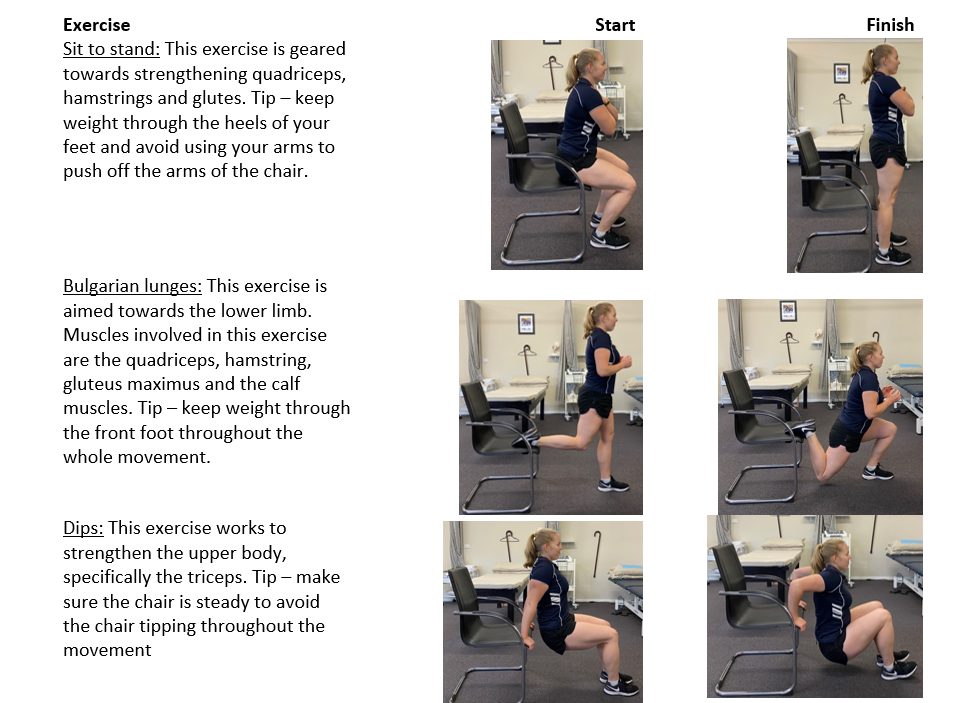
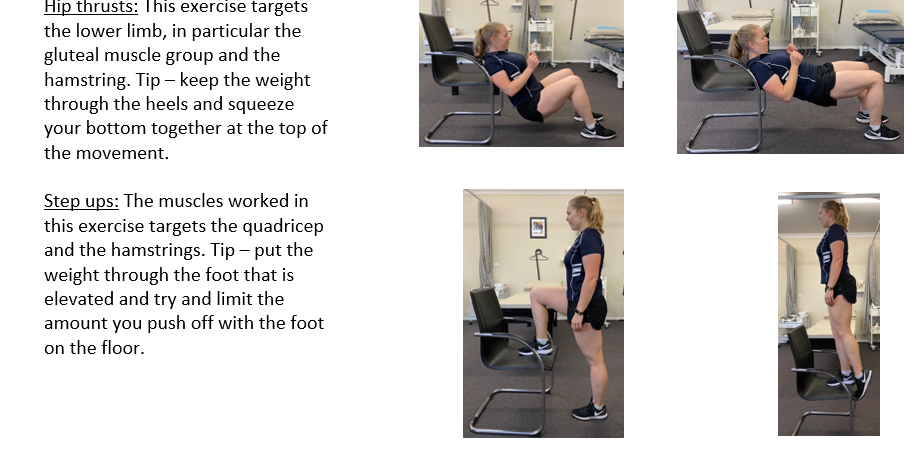
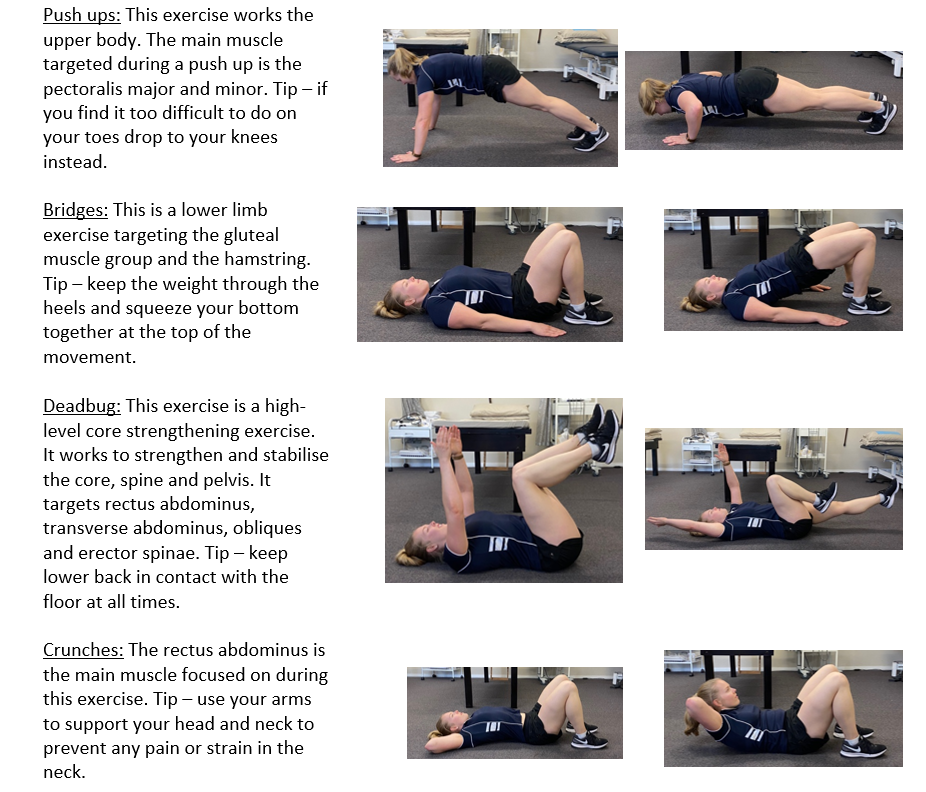
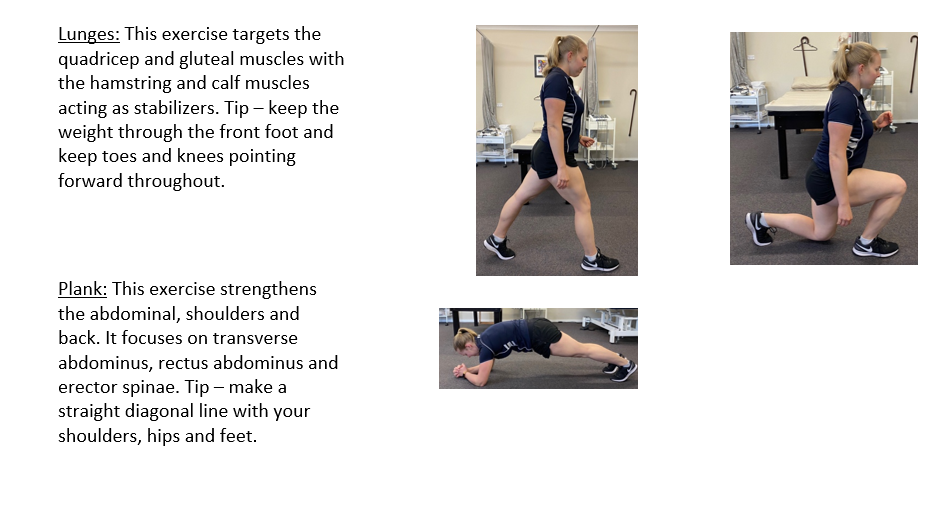
There are a variety of exercises you can do with objects lying around the house. Get creative with your workouts and home objects. If you don’t have any weights at home there are other activities you can do, or you can even use household objects such as washing detergent, milk carton etc. to have some makeshift weights at home. See some of our go to home exercises below.

Disclaimer: Individuals have unique needs and not all of the aforementioned exercises may be appropriate for you. If you experience any pain or discomfort whilst trying to perform the above exercises you should cease the activity and consult your physiotherapist.

Also a friendly reminder at this stage our clinic remains OPEN and we are taking all precautions necessary to keep our patients and staff safe.

  • Brooke Sullivan (B.Ex.Sport.M; Master Phyt)

Life after physio: Tips for post treatment care

QUESTION: Do you only brush your teeth once every six months after seeing your dentist? Hopefully, for most people the answer is NO! So why do so many of us not look after our bodies after we see a physio?

Physiotherapists are great at restoring and maintaining movement and functionality in patients. They help people of all ages to remain independent, mobile, pain free and assist in the recovery of serious conditions and other body dysfunctions.

In order to maintain movement and function post discharge from physio it is vital that you follow a few simple instructions.

Keep Moving –> Motion is Lotion

This may seem like silly advice, but moving and staying active are an important part of staying injury and pain free.

There are a number of easy ways to keep moving that don’t require lots of exercise or over exertion. Below are a few examples of how to keep moving and avoid flare ups:

  • Take a walk during your lunch break
  • Set reminders to stand up every 30 minutes when working in a job that requires long periods of being seated. Take this time to go and fill up your water bottle.
  • Take the stairs instead of using an escalator
  • Walk to work
  • Walk around during TV commercials

Not only does staying in motion maintain movement and function, it can also reduce your risk of cardio vascular disease, type 2 diabetes, certain types of cancer and blood pressure.

Adhere to your home exercise program

Home exercise programs are a fundamental component to physiotherapy rehab and improving patient outcomes. Considering the average physiotherapy session ranges from 45-60 minutes, there may not be enough time to make the drastic changes you need.

Research has shown that patients who adhere to their home exercise programs are significantly better in achieving their goals and maintaining strength and physical function. By continuing to strengthen muscles the risk of recurrent injury or flare-ups decreases.

Some tips to help in completing your home exercise program

  • Set aside 30 minutes a day to sit and complete your exercises
  • Write down your exercises and how many times they should be completed, along with reminders on technique. You may also find it helpful to video your physiotherapist completing the exercises to ensure you are doing them correctly.

As you improve and therapy treatment progresses, your home exercise program should too. If you are still completing the same exercises months after therapy, your program might need to be updated to reflect your progress. Don’t hesitate to ask your physio if your program is still appropriate and what you should continue to do, stop, or add to your program.


Sleep and recovery

People often fail to recognise the importance of sleep as part of the recovery process. Whether you are moderately active, or a professional athlete, sleep plays a crucial role in recovery and getting your body into top form.

As we sleep, muscles and tissues rejuvenate and repair. This is possible due to increased blood flow in our bodies. This increased blood flow brings along oxygen and nutrients that help recover and repair muscles and regenerate cells.

Hormones also play a role in the recovery process. When the body enters its deep sleep stage known as non-REM sleep, the pituitary gland releases growth hormones that stimulate muscle repair and growth. When the body doesn’t get enough rest, the secretion of this growth hormone declines, and it can become harder for your body to recover from injuries. The hormone prolactin, which helps regulate inflammation, is also released while sleeping. If you don’t get enough sleep, you’re more likely to experience inflammation in the body, which can make injury recovery more difficult, while also putting you at risk of further injury.

The amount of sleep needed per night varies from person to person, however we recommend somewhere between 7 and 9 hours each night. If you really want to get better, you need to give your body time to heal.


Just like you would brush your teeth everyday to maintain good mouth hygiene, it is important to look after your body the same way.

For more information about post treatment care feel free to speak to our friendly team at Kellyville@ppsphysio.com.au or Carlingford@ppsphysio.com.au.

Dreaded Heel Pain: Plantar Fasciitis

Do you dread taking the first few steps of a morning?

Can’t handle standing on your foot for too long?

Do you experience pain in your arch or heel?

If you answered YES to these questions you may in fact be suffering from a condition called Plantar Fasciitis. You are probably thinking plantar what??? And how on earth do I get rid of this darn thing! I bet you have tried resting and changing shoes and you may have found some temporary relief with this but I bet it hasn’t disappeared. Sounding familiar?

Let’s start with what exactly is the plantar fascia?

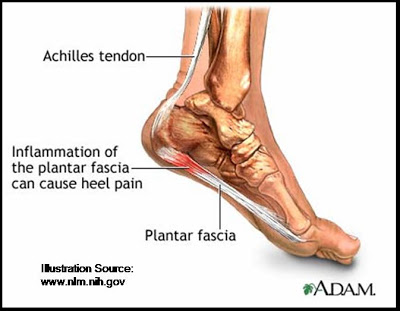
The plantar fascia is a normal structure in the foot and it runs from the base of the heel bone (calcaneus) all the way up to the longer bones of the foot. The plantar fascia is not a muscle but rather a piece of fibrous tissue that functions to support the arch of the foot, binds the sole of the foot upwards and protects the sole from injuries. If you think about it this way, imagine walking on the same tissue that’s on the inside of your thigh, its not going to function very well. Hence the fascia is what provides the tautness and elevation to the tissue on the sole of the foot.
                     

How would I know if I had plantar fasciitis?

First of all, it is always best to see a qualified physiotherapist who can correctly diagnose you however some of the common symptoms you may be experiencing include;

  • Pain upon first rising in the heel
  • Pain in the heel that feels like a stone bruise to walk on or touch
  • Pain may be present when you start activity, settle once you are warmed up and then return with rest
  • Reduced ability to stand for prolonged periods due to pain in the heel

Why have I got this condition?

  • Age

Plantar Fasciitis is almost exclusively seen in the adult population and increases in prevalence between the ages of 40 and 70. However this is not to say people in their late teens and early 20’s can’t develop it as I have definitely seen severe cases in these groups too.

  • Obesity/Weight Gain

Carrying excess body weight or rapidly gaining weight adds considerable load onto the plantar fascia. This can be enough to cause an overload and thus pain.

  • Biomechanical Factors

These are largely out of your control however increased pronation (commonly termed overpronation) causes increased stress on the fascia and its insertion. On the contrary, a very high arch (pes cavus) has also been associated with this condition. Additionally, tightness of the muscles in and around the foot may also contribute to overloading the plantar fascia.

  • Changes in activity

A sudden change in activity, especially those that involve increased weight bearing is strongly correlated to the development of this condition. This could be a seemingly small change such as going from sedentary and working at a desk to walking 3 times per week for 20 minutes. On the opposite end of the scale going from running 3 times per week to running 4-5 times per week could also incite the condition.

  • Footwear

Poorly fitting footwear or shoes that do not have adequate arch support for your foot type may predispose you to the development of this condition. While many brands such as Nike, Adidas and Under Armour (to name a few) are more fashionable they often lack the medial arch support and cushioning required to maintain optimal foot health. Additionally, a sudden change in footwear (to a less supportive shoe) can also trigger pain.

Did you notice a pattern from the above?

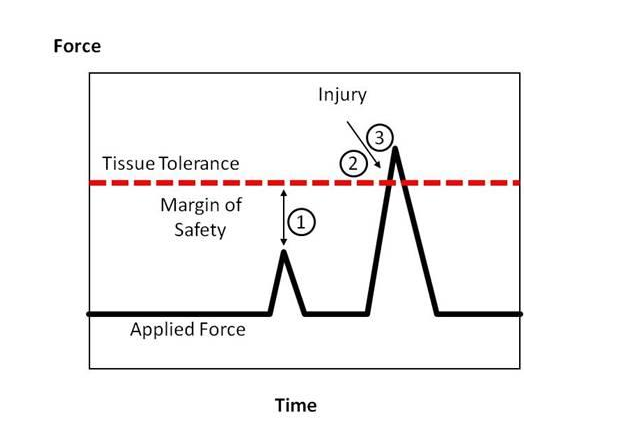
Plantar fasciitis is all about LOAD!!!

Changes in LOAD can be changes in frequency, intensity, duration, weight or type of activity. You are far more likely to get a plantar fasciitis if you go from a gym based program to walking/running than the other way around. This is because of the repetitiveness and weight bearing component with this type of exercise.

OK so perhaps you’ve had the ahuh moment and may have figured out what triggered this condition to start.
So the question everyone wants to know is how do I get rid of this??

Firstly, get an assessment done by a qualified physio who will then put you together a treatment plan, estimated rehab/recovery time frame and can guide you on the do’s and don’ts to enhance your recovery.

Assessment will firstly confirm the diagnosis through listening to your history, aggravating and easing activities as well as confirming the pain source/location. From here we will determine your load tolerance, that is how much can you do right versus left leg in terms of calf raises, hopping etc (depends on how sore you are).

Treatment:

Treatment can be broken down into active or passive treatment interventions. Both have their place but perform different roles in your recovery. I strongly believe that BOTH are essential for a full recovery.

  1. Active

Active interventions are the biggest part of treatment and are what will get you back to your desired activities. They include specifically prescribed exercises that are customised to YOU, your functional level and noted deficits. We are able to determine your functional level from your load tolerance test listed above. The exercises prescribed are designed at strengthening the calf and increasing the load tolerance of the plantar fascia. A typical exercise would be a single leg calf raise with the big toe elevated (in dorsiflexion if we are talking physio terms). However, depending on your level of soreness will depend on where we start.

We may also include some exercises for the smaller muscles of the foot that commonly don’t function optimally in people with this condition.

  1. Passive

Passive interventions include things such as massage, acupuncture, ice/heat. Passive interventions are designed at pain relief in the short term but will not assist with improving the load tolerance of the fascia. Some of our best passive interventions we use include;

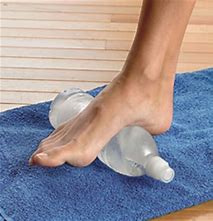
  • Ice water bottle massage – freeze a cylindrical shaped water bottle and after activity roll the arch of your foot on the bottle for about 5 minutes.
  • Golf ball massage – for a deeper massage you can try rolling the arch of the foot on a golf ball with as much pressure as is comfortable. Avoid getting stuck in to the heel where the fascia inserts as this tends to make things more painful.
  • Stretches – Stretching the calf muscles may assist with reducing feelings of tightness in the calf and plantar fascia. If your pain is bad enough you may have started to limp which can cause surrounding muscles to become tight.
                       

Frequently Asked Questions

What about Orthotics?

Firstly, not everyone requires orthotics who has plantar fasciitis. If we feel you have a particularly low arch that is contributing significantly to your pain then a podiatry review for potential orthoses is warranted. However, remember our load talk above…if you have been wearing thongs instead of runners on holidays for 6 weeks and have developed this condition orthoses may not be the answer for you. Similarly, if you have suddenly changed activities and the pain has come on trialling conservative, exercise-based rehabilitation first should be the first line of treatment. Should you fail to see a change or we don’t get the 100% full return to function desired then orthoses may be of assistance. Our physiotherapists would usually refer patients to a podiatrist to have a pair of custom orthoses made opposed to using prefabricated ones. This is to ensure a comfortable fit that will offload the plantar fascia specific to that person.

My friend had a cortisone or steroid injection and they said it made the pain go away, should I just go and get one of those?

Again, remember what we said about load…plantar fasciitis comes about because your load exceeds the fascia’s ability to recover. Yes, a steroid may assist in your pain but it will do nothing for improving your load tolerance. Therefore, when the steroid loses its effect (anywhere up to 6 months) there is a high probability of the pain returning. Additionally, research has shown the steroid can have a negative effect on tendons and the fascia over the long term resulting in a weakening of the tissue (the opposite of what we are trying to achieve!!). Our recommendation is always to trial conservative exercise based treatment first as this has been shown to be most effective in long term management and return to activity.

How long will this take to resolve?

The duration of the condition depends on how long you have had symptoms prior to seeking treatment, adherence to a specific exercise program, adherence to recommendations regarding loading/offloading and footwear and individual factors. Individual factors which may delay recovery include conditions such as diabetes which have been associated with slower healing rates. In some people they will be significantly better after 6 -12 weeks of treatment and in more severe cases it can be up to 2 years.

If you or someone you know is suffering from heel or arch pain encourage them to see a physiotherapist. This can be a debilitating condition but with the right treatment the pain can be reduced and function restored. If you would like to book an appointment to see one of our friendly staff please call our clinic on 9672 6752 (Kellyville) or 9871 2022 (Carlingford).

Kimberley Cochrane (Bach Physiotherapy, First Class Hons; Grad Cert Sports Phys)

Your Guide to the Calf

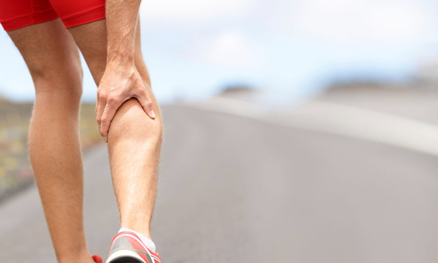
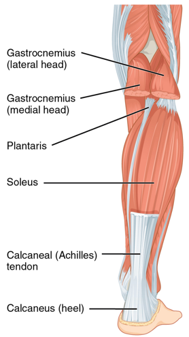
The muscles at the back of the lower leg are commonly referred to as the calf muscles. They begin at the back of the knee and travel down and insert at the back of the heel. They are essential muscles in walking, running or jumping.

There are 3 muscles which make up the calf. These three muscles combine to make up the tricep surae:

  1. Gastrocnemius – this is the most superficial muscle of the calf and has two heads: medial (inside) and lateral (outside). These two heads form one single larger muscle. This muscle helps in plantarflexion (pointing your toes) and flexing or bending the knee.
  1. Soleus – this is a large flat muscle located underneath the gastrocnemius. This muscle starts below the knee so has no function at the knee. It joins with the gastrocnemius to form the calcaneal tendon and inserts into the back of the heel. It is a powerful muscle which is important in walking, running and keeping balance.
  1. Plantaris – this is a thin, small muscle which has the same actions as the gastrocnemius. About 10% of the population don’t actually have one.

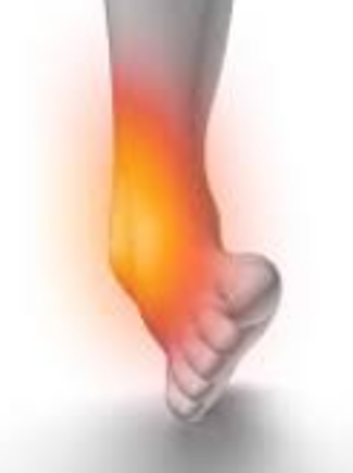
These muscles join and form the calcaneal tendon, commonly known as the Achilles tendon. This tendon is the largest and strongest tendon in the body, however, is subject to injury. Calf injuries are common particularly in ball sports where there is a need for sudden acceleration.

Muscle injuries: the medial head of the gastrocnemius is the most common site of a calf injury.

  • Calf strain: tearing of a portion of the muscle fibres commonly referred to as a pulled muscle, it can vary in severity. Rehabilitation will consist of range of motion exercises, gentle stretching and progressive strengthening exercises.
  • Calf rupture: this is a complete tear of the calf muscle. This can lead to extreme pain and being unable to stand or walk on the leg. Treatment of this may differ depending on severity and can be managed conservatively or surgically.

Tendon injuries:

  • Tendinopathy: This is the most common Achilles injury and is caused by an overuse injury of the tendon. A tendinopathy can occur either in the middle of the Achilles tendon or where it attaches to the heel (Insertional Achilles tendinopathy). It can lead to pain and stiffness in the tendon especially of a morning and pain at the start of activity. Exercise is a vital aspect of rehabilitation and will incorporate both strength and endurance training.
  • Achilles tear: this involves a tearing of a portion of the tendon fibres. This can lead to pain and a decrease in function of the calf muscles.
  • Achilles rupture: this is a complete tear of the Achilles tendon which will result in an inability to plantarflex your foot. At the time of the injury you may hear an audible “pop” followed by some swelling and pain. A common descriptor is it felt “as if I was hit or kicked in the back of the leg”. Males are more likely to experience this and usually occurs in athletes in their 30’s and 40’s. This will generally require a specialist opinion. Rehabilitation will involve a camboot, gentle range of motion exercises and a strengthening program once the camboot is removed.
  • Bursitis: inflammation of a fluid filled sac that sits underneath the Achilles tendon. The bursa allows the tendon to move easily over the bone. When inflamed it can cause pain and tenderness around the heel area. Bursitis is often found in conjunction with an insertional tendinopathy as the inflammation and tendon compress the bursa resulting in irritation of the bursa.
  • Sever’s disease: this is inflammation of the growth plate in the heel where the Achilles tendon attaches. It is common in adolescents experiencing growth spurts as bones, muscles and tendons are all changing rapidly. Repetitive stress from running and jumping can inflame this area and therefore children in athletics are at an increased risk. Physiotherapy treatment is likely to involve stretching of the Achilles tendon to reduce the stress on the heel and a strengthening program.

Not to be missed:

  • DVT (deep vein thrombosis): this is a blood clot in a deep vein in the body, usually in the calf. Symptoms of a DVT are tenderness in the calf usually described as a cramping feeling, reddish or bluish skin and skin around the calf warm to touch and pain in the calf area. If you are experiencing these symptoms you should call for medical help or go to the emergency room where they will be able to test for DVT.

Brooke Sullivan (Bach Ex Sci Sports Mgt; Masters Phys)
Not JUST a Sprained Ankle

Sprained ankles (commonly known as the “rolled ankle”) are one of the most common injuries in sport accounting for approximately 14 – 40% of all sporting injuries. An ankle sprain commonly occurs when you land and your foot goes through a twisting motion. Many people believe that this is a harmless injury and will heal with minimal treatment yet people who have sprained their ankle once have a 4.9 times increased chance of re-injuring their ankle. Despite this, only about half of those who have sprained their ankle receive supervised or professionally administered care. The majority of patients with a history of ankle sprains will sustain at least one additional sprain, with many developing physical and subjective limitations, with ongoing ‘giving-way’ in the affected ankle, resulting in the condition “chronic ankle instability”.

Why do I need to get my ankle properly rehabbed?

Though the pain and stiffness from a sprained ankle may start to decrease after just a few days, previous studies have reported that 50 – 74% of patients can have persisting symptoms such as muscle weakness, sensation of frequent giving-way, and tendinitis 1 – 4 years after the injury. An epidemiological study showed that for athletes who sprained their ankle 1- 4 times, the major problem was pain, while those who had sprained their ankle greater than 5 times reported the main problem was a constant sensation of instability and giving way.

Those people who experienced chronic ankle instability reported having decreased levels of physical activity and reported lower quality of life. In addition, they demonstrated ongoing problems in their muscles and everyday function. Numerous research groups have reported the reaction time of the muscles that help prevent ankle sprains are delayed in people reporting ankle instability (reaction times of 50 – 60ms in healthy individuals compared to 82-85ms in people with ankle instability).

Patients who have chronic ankle instability may occasionally lead to ankle osteoarthritis, sinus tarsi syndrome, and subtalar joint instability, which comprise the majority of the surgeries for the ankle.

What should I do if I roll my ankle?

Though your ankle may be extremely painful and difficult to walk on immediately after injury, you DO NOT always have to get a scan. You should visit your physiotherapist as soon as possible after injury and determine whether or not you need a scan as well as guiding you through your rehabilitation process. It has been reported that only approximately 50% of individuals who experience a sprained ankle seek medical attention. With adequate diagnosis and treatment of the ankle injury this leads to a reduction of future ankle injury and could avoid the long-term injury-associated symptoms.

Physiotherapy

Following an ankle sprain you should see your physiotherapist as soon as possible as they can help to rapidly reduce pain levels after injury. As the pain levels begin to decrease, exercise based therapy programs can be initiated to further reduce pain levels and commence return to functional tasks whether that is going for long walks or playing sports at a high level.

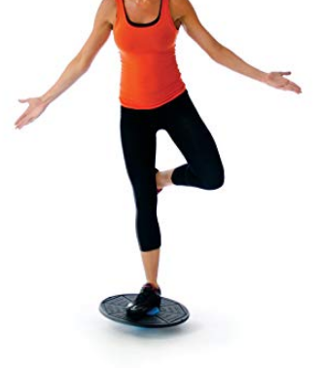
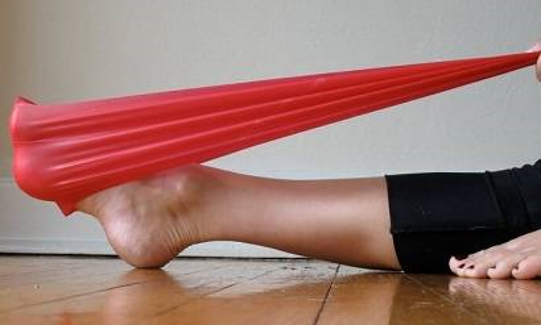
When exposed to flexibility, strength, balance training, and exercises to improve joint position sense, the risk of further ankle sprains is greatly reduced to the point where it is the same level as healthy individuals with no history of ankle sprains.

These programs are most effective when initiated within the first 12 months after the injury and have been shown to reduce the prevalence of recurrent injuries, associated with quicker recovery time, and have better outcomes than no treatment.  However, these programs can still be greatly beneficial regardless of when they are commenced.


Surgery

Not every ankle injury requires surgery or even a surgeon to review you as physiotherapy has been recognised to be equally effective in resolving complaints and returning the patient back to sports. However, if after undergoing a thorough exercise- based physiotherapy program you are continuing to experience instability in the ankle, this should be considered. Surgery consists of tightening one or more ankle ligaments on the outside of your ankle to return the stability.

After surgery you are often unable to put all your weight through your ankle for a while the ankle begins to heal. In this time it is beneficial to commence a rehabilitation program to lightly stretch the ankle and to get it moving. By doing these kinds of exercises, it can result in faster recovery and therefore an earlier return to sport.

Taping and bracing

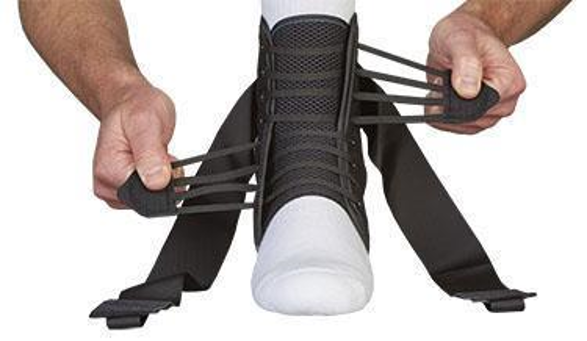
When returning to sport after an ankle injury, taping and/or bracing should be used as they have been shown to be effective ways to prevent further injury or recurrent ankle sprains. It may feel strange wearing a brace or tape for the first time so athletes are encouraged to train with them on to ensure they do not greatly hinder performance and to gain a feel for them prior to a game. Though many individuals choose cheap compression bandages or tubigrip, these are not sufficient in providing support to meet the demands of sport and patients instead should opt for a lace-up or semi-rigid brace.

Sports tape, though not as effective as an ankle brace, is also effective in preventing recurrent ankle sprains but does not have any effect on preventing an athlete’s first ankle sprain. Taping after an ankle injury can also improve someone’s perceived confidence when returning to sport and thus permits continued or early return to physical activity or sports participation.


So if you have sprained your ankle recently or are experiencing instability from an ankle injury a long time ago, you may benefit from rehabilitation to increase your function and reduce the chances of long term effects. Give us a call on 9672 6752 (Kellyville) or 9871 2022 (Carlingford) to book an appointment today.

Kevin Guo (Bach App Sci Phys)
Shoulder Pain: Rotator Cuff Injury

Approximately 50 – 70% of shoulder pain is caused from a muscle complex in the shoulder known as the rotator cuff. Though the shoulder pain may have started out of nowhere and have been around for months or even years, this condition CAN be treated and you CAN get your shoulder back to full function.

What is the Rotator Cuff?
The rotator cuff is a group of 4 muscles which go from your shoulder blade to the top of your arm. These muscles are known as supraspinatus, infraspinatus, subscapularis, and teres minor. Though these are relatively small muscles, they play a huge role in keeping the arm attached to the shoulder, allowing a large amount of movement while optimising stability.
Adequate strength and activation in each of the four muscles is required for everyday movements, and tears commonly occur in these muscles which can cause pain and disability.
There are two types of tears you can get in these muscles:
• A partial tear does not go completely through the entire muscle. The size of the tear does not necessarily indicate the level of pain or disability someone may be in. These tears can progress into a full thickness tear.
• A full thickness or complete tear results in the tear going through the entire muscle and often happens at the point where the muscle attaches to the bone. There is a very small likelihood that this may heal on its own and can result in significant levels of pain and disability.

How do I know if I have torn my rotator cuff?
People who have an injury or a tear to the rotator cuff tend to report:
• Pain with movement over the shoulder region. The pain can be either at the front, back, side or over the entire shoulder.
• Pain when sleeping over on the affected side
• Weakness of the arm and difficulty performing day to day activities (combing your hair, getting dressed in the morning, throwing a ball)
By seeing a trained physiotherapist, they will be able to do special tests with your shoulder, assess your strength and movement, and ask you questions about how well your shoulder is functioning and this will allow them to identify whether or not you have a tear in your rotator cuff.

What causes a rotator cuff?
Tears may be partial or full thickness, and occur as the result of an injury such as a fall or lifting a heavy object, but more commonly occur as part of the degenerative process.

The following things increase the likelihood of causing a tear in your rotator cuff muscles:

Age – The prevalence of rotator cuff tears in the population increases as you age. The frequency increases from 5%-10% in people younger than 20 years of age, to 30%-35% in people 50-60, topping out at 60% to 65% in people over 80 years of age

Smoking- Many studies have shown an association between the amount and time you smoke for and the likelihood of having a rotator cuff tear. Some studies have suggested that smoking increases the degeneration of the rotator cuff muscles, can increase the size of the tear, and are more likely to have a tear and feel symptoms.

Occupation – Manual labourers who perform constant overhead movements, who are required to perform repetitive movements, or who need to produce high levels of force from the shoulder are at an increased risk of rotator cuff tears. Research has also shown that people who have played sports with overhead throwing or forceful movements over the head may also be more likely to develop a rotator cuff tear.

How can this shoulder pain get better?
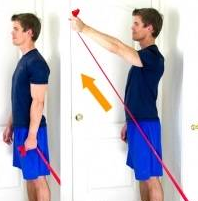
The majority of patients with shoulder pain from a rotator cuff tear often do not need surgery and respond well to a well-structured physiotherapy programs lasting approximately 12 weeks. Patients see a decrease in pain levels, increased in pain free shoulder movement, and get greater levels of function in their shoulder. The programs include stretching and strengthening exercises, shoulder stabilisation exercises, and in the later stages, exercises to simulate the sports and demands that are required of your shoulder. Furthermore, you will be provided strategies to help modify your day to day activities to reduce the stress and pain on your shoulder.


People who do not see any improvements in their shoulder after the rehabilitation might then consider the possibility of having surgery for the rotator cuff repair. The surgery ranges from repairing the torn muscle itself to shaving off parts of the bone that may be causing damage to the muscles. Patients tend to have similar outcomes regardless of the size of the tear, however there tend to be poorer results in patients with worse tendon quality and are advanced in age.

After having surgery, you will commence a rehabilitation program with your physiotherapist so that the shoulder does not develop ongoing stiffness, as well as to gradually increase your strength and get you back to normal function. Furthermore, getting your arm moving and exercising also helps the nourishment and recovery of the tendon to help with the healing process.

Shoulder pain can be a chronic, frustrating, and debilitating injury and it can be treated without the need for surgery. Physiotherapy should be the first line of treatment, including a structured rehabilitation program to increase movement, strength, and stability in the shoulder. If you have a good initial response and improvement in symptoms, physiotherapy should be continued and surgery can be considered after 12 weeks if there are no improvements.

So if you are experiencing long standing shoulder pain, you may have a rotator cuff tear and will benefit from seeing one of our physiotherapists. Give us a call on 9672 6752 (Kellyville) or 9871 2022 (Carlingford) to book an appointment.