The Off-Season

For alot of our amateur athletes the off-season is a time for resting and enjoying the weekends before winter sport starts up again in March/April. For most people this means they have 5 or so months off each year from their chosen sport. This time might be spent doing nothing at all, pursuing a different sport or engaging in a different type of exercise.

The golden question is what is the best way to spend your off-season? You want to find a balance between rest and recovery but at the same time don’t want to lose all your fitness. Easier said than done for your average joe blow who doesn’t have the help of a strength and conditioning coach to guide you through the process.

Hopefully this blog helps to shed some light on how you can achieve that balance and plan out your own off-season!

What is the off-season?

For every sport there is a designated period of time where the season starts and ends. Outside of this competition period is termed the off-season. The off-season first and foremost is a time for physical and mental recovery which is important to avoid overload and burnout. It’s all about RELATIVE REST though! The off-season shouldn’t be a ticket to do nothing for weeks on end. The second focus of the off-season is to work on sports specific skills that you need to improve on, strengthening any week points in your physical or mental game, working to resolve any injuries that have been niggling and addressing any deficits that may assist in injury prevention.
   

Physical and Mental Recovery

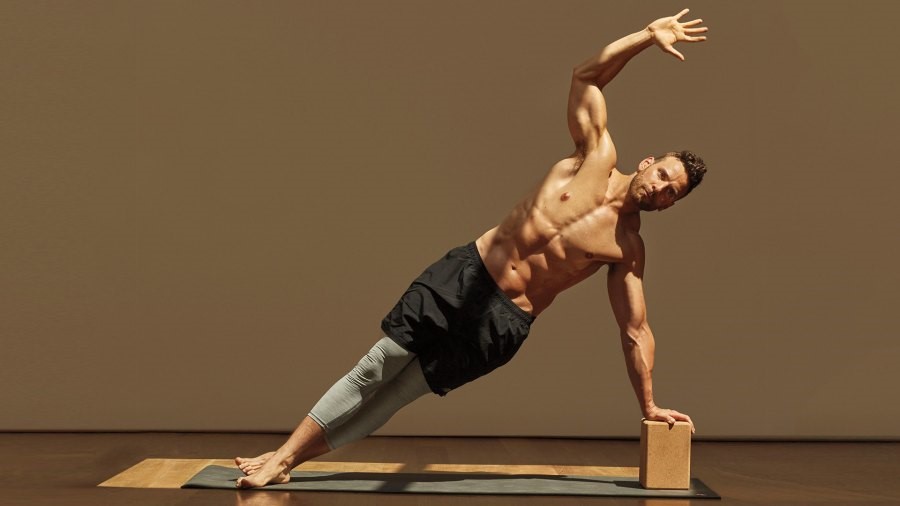
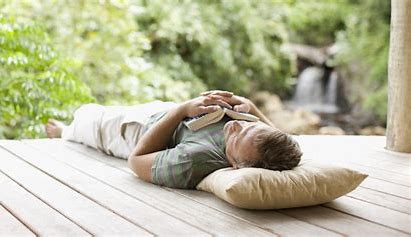
After a long season both the body and mind needs time to recover and replenish. If you neglect taking time to rest you may increase your risk of injury. As mentioned before, relative rest or active rest is a good way of looking at this. You don’t want to do absolutely nothing but instead of running like you would during the in-season try some lower impact exercise instead eg. cycling or swimming. Changing the type of exercise you are doing can also be beneficial for mental recovery. If you do the same type of exercise and training all year round you may start to feel stale and burnt out from the repetitiveness.

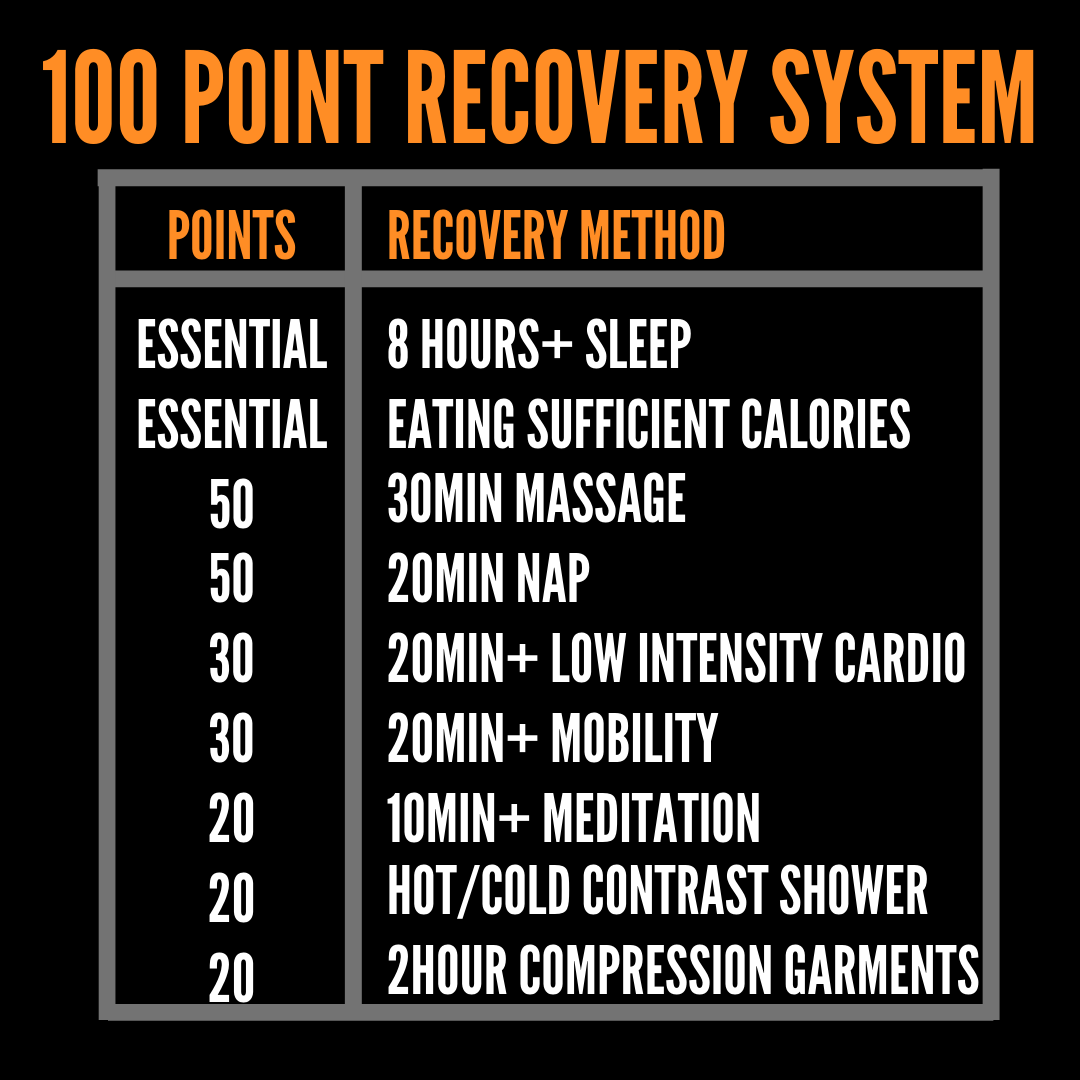
You may also want to use the 100 point recovery system which is a great tool for both in season and off-season. The recovery tool ensures you are are dedicating enough time to your recovery which will in turn assist with optimising your performance and decreasing injury risk. You can choose from different activities to accumulate 100 points of recovery. There are a few different versions available online or you may have one you have used previously.
Addressing Weaknesses

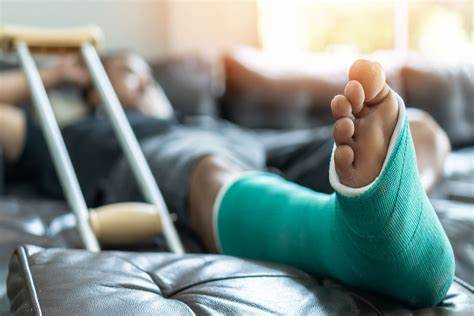
If you have found that there is an area of your performance that has been suboptimal over the past season, now is a great time to work on it. This may look like addressing a strength discrepancy between limbs, improving a specific skill or improving your your ability to generate power. Whatever seems to be the hole in your game take time to work on it!

We know that for certain sports, weaknesses in some muscle groups or movement patterns are high risk for developing an injury.

For example;

  • Netball – having suboptimal landing strategies can predict those at risk of sustaining an ACL injury
  • Soccer –  having weakness of the adductors (groin muscles) can lead to adductor related injury

The key to working on these in the off-season is that practice should be done that is very specific and not with the same intensity or frequency as in season practice. Remember we are finding a balance between active rest, recovery and getting to work on our weaknesses. It would be best to work with a coach who knows you and your sport to identify what specific areas you need to work on.

Why should I exercise in my off-season?

The off-season is one of the most important phases of the year. It is the time that prepares you physically and mentally for what’s to come over the subsequent 6-9 months. The competitive season is often long and you don’t want to break down half way through.

  • Aerobic Preparedness –  As much as you are actively resting and will likely lose some aerobic conditioning it is much easier to build up from 60% of your max (40% loss with active rest) than it is from 30% with complete rest. When we remove the physiological adaptations of training that you were used to, the body undergoes a deconditioning or reversal response. Our fitness is a use it or lose it principle so the body will de-train when we don’t apply the same stimulus. It is very normal and quite ok to experience some aerobic deconditioning. However, you would rather lose a modest amount opposed to alot to make returning to pre-season much easier.
  • Tissue Preparedness – Similar to aerobic preparedness, our tissues undergo a de-training effect when we remove the stimulus of training and competition. Tissues, such as our tendons, are very load tolerant structures and they like to do the same amount of load week in and week out. They don’t like rapid increases in load and if this happens you may develop tendon pathology. Again, it’s ok to lose some tissue capacity but its much easier to build back up in the pre-season if you have been doing active recovery than it is from 3 months of complete inactivity.
  • Injury Prevention –  As previously mentioned injury prevention is a big one! The pre-season training block is often not enough time to work on any imbalances from the prior year, hone in on improving specific skills, increase your aerobic and tissue capacity back to in season levels, return to game simulation, learn new skills/formations and get used to playing with a new team. It’s just not practical! Additionally, if you do stop completely over the off-season you will likely have to increase your loading massively week to week to be fit and ready. We know that rapid increases in load are a strong predictor for injury and you will likely be seeing a physio before your season even starts.
  • Mental Health – Exercise and physical activity has time and time again proven to be a great support for our mental health. Going from being in season, training and competing with a regular routine to no structured exercise can wreak havoc on you mentally. A simple walk each day can help you clear your mind, get some fresh air and improve your mental health. You may also find it helpful to keep some form of loose routine if you are someone who is very routine orientated.

If you are entering the off-season of your sport now is the time to start planning what the next 6 weeks to few months is going to look like. If you need help working out what you should be working on then speak to your coach or a physiotherapist for a personalised injury prevention plan. Our friendly team of physio’s are all experienced sports people themselves and have a diverse knowledge of the demands of sport. Call our reception team today on 9672 6752 (Kellyville) or 9871 2022 (Carlingford) to book an appointment.

Kimberley Cochrane – Physiotherapist (Bachelor of Physiotherapy, First Class Hons; Grad Cert Sports Physio)
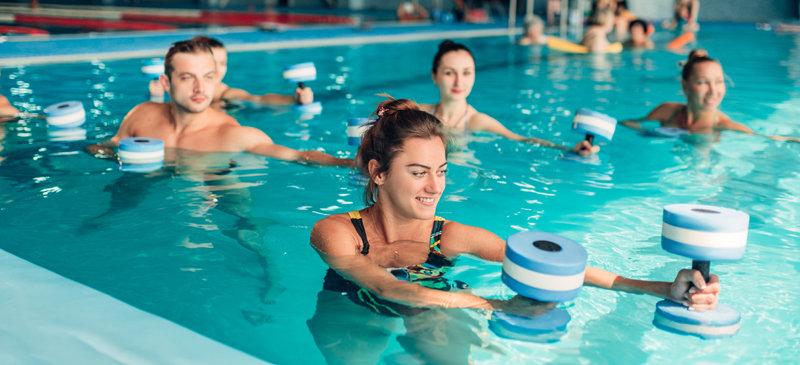
Hydrotherapy

The use of water for various treatments is almost as old as mankind itself. It is one of the most basic treatment forms used in natural medicine, and has been widely used dating back to ancient cultures in India, China, Greece and Egypt.

Hydrotherapy or aquatic physiotherapy is the completion of therapeutic exercise within a heated pool. Within physiotherapy, the properties of water can be used to achieve specific benefits and goals. This can be used to treat a variety of conditions including arthritis, fibromyalgia, various inflammatory conditions, strains, fractures and assist in post-operative rehab.

How does it work?

Hydrotherapy works via both mechanical and thermal effects. The body reacts to warm stimuli and the pressure/sensation exerted by the water. As a result:

  • The warmth of the water prompts increased blood flow throughout the body
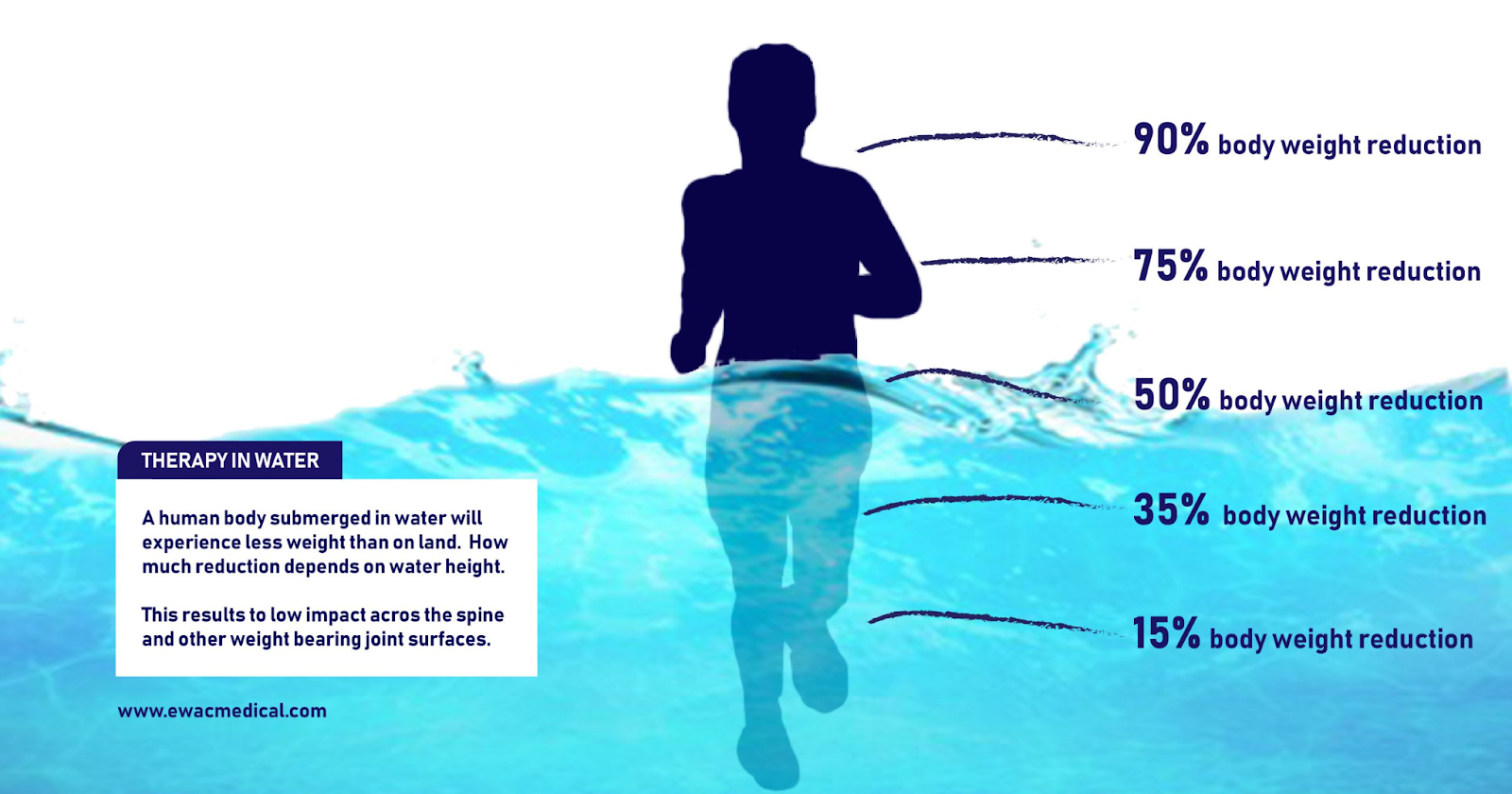
  • Supports weight via buoyancy
  • Provides resistance to movement through the water, as it is denser than air

These sensations stimulate the immune system and influence the release of stress hormones thereby improving circulation and blood flow, as well as reducing the body’s sensitivity to pain. In most circumstances, heat is used to soothe the body and slow down internal organ activity. Being submerged in water during hydrotherapy also induces a hydrostatic effect and massage-like feeling. This also increases blood circulation whilst relieving tight muscles.

It has been shown to create various effects on a number of systems depending on the temperature. Water immersion in a 32 degree pool was shown to reduce the heart rate by 15% and systolic and diastolic blood pressure by 11 and 12% respectively.

What are the benefits?

Hydrotherapy has a variety of positive benefits on the body due to these unique properties, including:

  • Pain relief – Warm water had a significant pain relieving effect in people with chronic diseases according to one review. The water may ease the signals for pain and relax muscles.
  • Increased muscle strength – Hydrotherapy is an ideal environment for strengthening weak muscles, as exercises that are performed on land can be modified for water, where it also provides extra resistance. Difficulty can be increased by using flotation devices or moving through the water more quickly
  • Increased cardiovascular fitness – The resistance as the limbs move through water builds muscle and improves cardiovascular fitness
  • Improved balance – Performing balance exercises in water provides an external challenge in and of itself, and thus balance exercises which may be difficult to perform on land can be done safely in water
  • Improved mental health – Water based activities can improve mental health in some people according to the CDC (Centres for Disease Control and Prevention). For example, people with fibromyalgia may find aquatic physiotherapy reduces anxiety and depression
  • Low impact – Hydrotherapy exercises are very low impact due to the water supporting your body weight. This helps people exercise in water without putting too much stress on their joints, which can be especially helpful for people with conditions such as osteoarthritis. For example, one study found that people with knee osteoarthritis had improved pain and function after 8 weeks of aquatic exercise
  • Relaxation – Hydrotherapy can aid relaxation by easing tension in the muscles whilst promoting a relaxed mind state
  • Pregnancy – The low pressure environment during hydrotherapy may help with general aches and pains that pregnancy can cause

How do I access hydrotherapy?

Most public and private hospitals will have access to a hydrotherapy pool where inpatients can complete hydrotherapy as part of their rehabilitation.

Physiotherapists are primary contact practitioners, so a doctor’s referral is generally not required unless a third party (e.g. WorkCover, DVA, NDIS) is paying for the sessions. For chronic conditions, your GP may also refer you for a Chronic Disease Management Plan which covers up to 5 sessions per year of physiotherapy. You will also get a rebate from private health insurance if extras are covered, as hydrotherapy is a form of physiotherapy. How much you will get back is dependent on the health fund and your level of cover.

What is involved in a hydrotherapy session?

Hydrotherapy sessions can be in either a group or individual setting. Sessions will generally last between 20 and 45 minutes, depending on your individual health status, injuries and fitness level. During this session your physiotherapist will provide you with a tailored exercise program for you to complete in the water. They will also supervise you either from outside or within the pool, and provide assistance where required to ensure maximum safety. Your physiotherapist will also continually monitor your progress and adjust your program as you go, ensuring that you continue to strengthen and benefit from the sessions. Most people attend hydrotherapy one to two times per week, however similar to the gym, some people get more benefit out of attending on a more frequent basis as it is an exercise based treatment modality.

Hydrotherapy is a fun, safe and low impact method of treating a wide variety of musculoskeletal conditions. When conducted by a trained physiotherapist you will receive a tailored exercise program, supervision to ensure your safety and optimal engagement with your rehabilitation.

If you would like to find out more about hydrotherapy or if it would benefit you, then please contact our clinic today on 9672 6752 (Kellyville) or 9871 2022 (Carlingford)  .

Radiculopathy: What is it and how can I get rid of it?

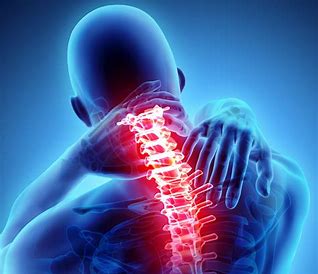
Have you ever woken up with pain or pins and needles in your arms or legs? It’s called radiculopathy and unfortunately it is not as uncommon as you think! About 100 women and 60 men per 100 000 will experience radiculopathy and it is most common in people who are aged between 40 and 50.

What is radiculopathy?

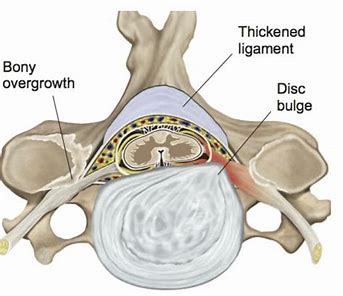
Radiculopathy describes most kinds of nerve root dysfunction, either because a nerve is being directly irritated at the spine itself or because of inflammatory chemicals which can be released by injured discs. The most common source of irritation tends to be direct mechanical compression, mostly due to spondylosis. Spondylosis refers to degenerative changes which occur due to advancing age. As we get older, the discs lose height and the canals through which our nerves exit from our spine begin to narrow. These changes lead to increased load on the vertebral bodies and joints within the spine, causing bony changes and thus irritation of the nerves. Nerves can also be irritated by herniated disc contents, although this is less common. Radiculopathy due to disc herniation tends to present more in younger people, whilst spondylosis is a more prevalent presentation in older populations.

Radiculopathy usually presents with pain and/or altered sensation running down the arm or leg. Altered sensation can include pins and needles, numbness, burning or tingling. Other symptoms include muscle weakness in the affected limb and reduced reflexes. Radiculopathy is mostly a self-limiting condition and about 75-90% of people get symptomatic relief with conservative physiotherapy treatment. In the absence of significant muscle weakness or myelopathy (injury to the spinal cord due to severe compression), physiotherapy is a clinically indicated treatment modality.

How can physiotherapy help?

Most literature has come to a consensus that manual therapy in conjunction with therapeutic exercise is effective in dealing with radiculopathies. Physiotherapy treatment would normally comprise of a combination of manual therapy, intermittent traction (where the therapist would stretch from either the head or legs to decompress the spine and reduce nerve root irritation) and exercise. It is important to note that exercise is the most sustainably beneficial treatment method for radiculopathy. Manual therapy alone usually does not provide clinically significant relief when used in isolation. It is usually the combination of manual therapy and exercise which provides the best long-term results.

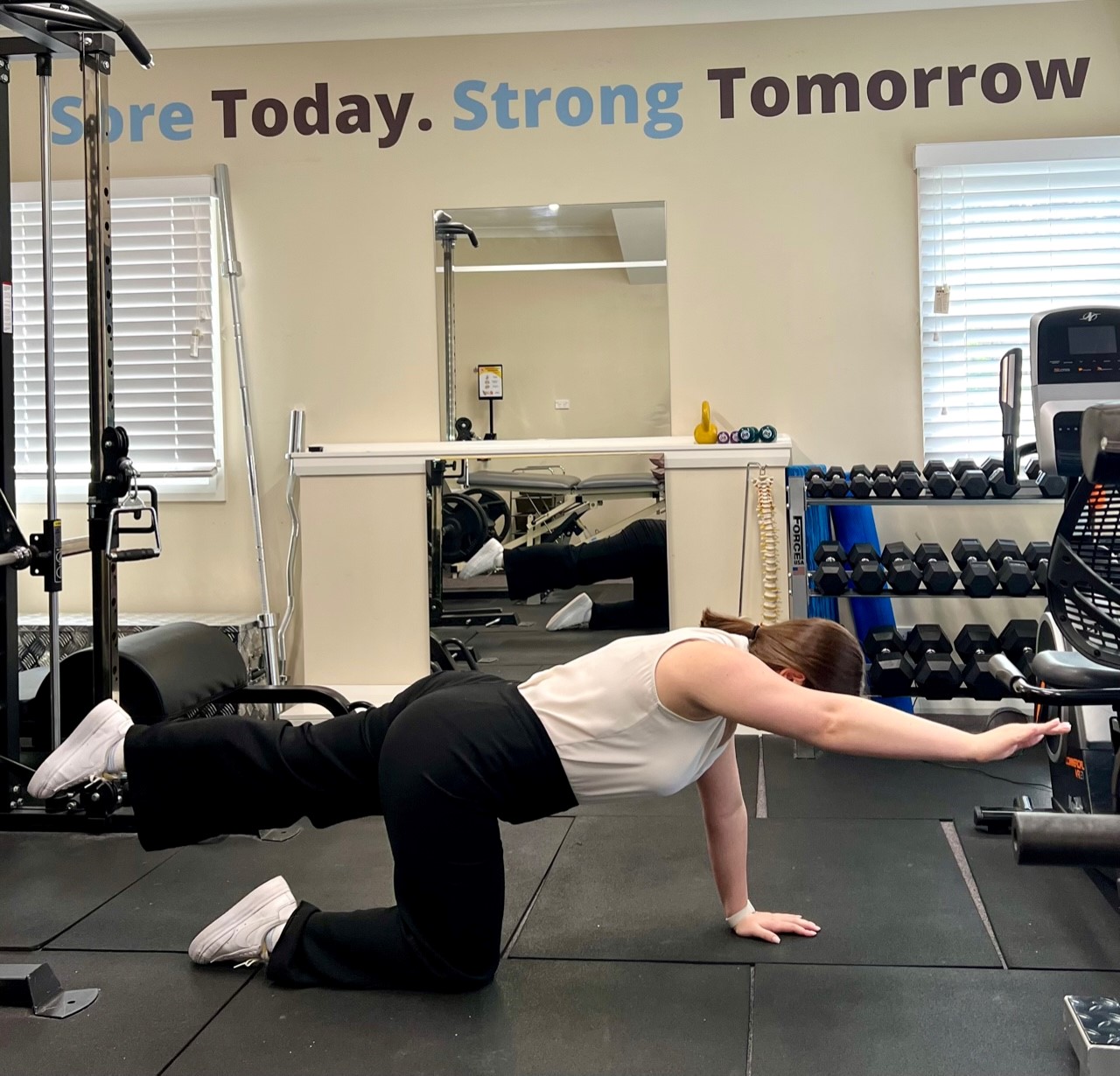
Early-stage therapeutic exercise will primarily consist of restoring pain free range of motion, usually by working through active range in the opposite direction. Once range of motion has been restored, strengthening exercises will also help provide stability and active support for the spine, reducing the risk of recurrence. Early strengthening will primarily consist of isometric strengthening until peripheral symptoms resolve. This will transition to progressive strengthening through range, and incorporation of shoulder stability work in the case of cervical radiculopathies or core strengthening work in the case of lumbar radiculopathies.

Shoulder stability is clinically significant due to its implications for our neck as we have a lot of musculature which crosses over the neck and the shoulder. Therefore, we often find that when our shoulder is weak it can lead to an associated neck issue and vice versa. Examples of shoulder stability exercises include scapular retraction based work and closed chain exercises to improve weakness of shoulder girdle stabilisers. This is supplemented by localised deep neck flexor strengthening with particular emphasis on fine motor control, and activation of deeper musculature without excessive compensation by superficial muscles. With lumbar radiculopathies a progressive core strengthening program that focuses on activation of both transverse abdominus and multifidus muscles has been shown to improve radiculopathies.

Prognosis:

Radiculopathy in the absence of severe muscular weakness, spinal cord damage or progressive neurological signs can be treated with physiotherapy and usually has a good prognosis. Factors which are predictive of a good recovery include:

  • Age under 54
  • Dominant limb not affected
  • Looking down does not aggravate symptoms
  • Treatment involving a combination of manual therapy and good compliance to exercise interventions

Remember, manual therapy is helpful but it is even more effective when supplemented with a specific exercise program targeted towards your needs.

If you have pain or abnormal sensation in your arms or legs which isn’t correlated to a direct injury, our physiotherapists will be able to assess your condition and provide a tailored treatment plan for you. Please get in touch with us on 9672 6752 (Kellyville) or 9871 2022 (Carlingford) and one of our friendly receptionists will be able to arrange an appointment for you.

How Physiotherapy Can Help Your Dizziness

Feeling dizzy can be great when you’re young and rolling down a hill or spinning on a chair, but for some people it is especially debilitating and no fun at all. Dizziness or vertigo can often happen with no obvious reason. Alot of times, people report waking up one day and suddenly feeling dizzy when standing up, leaning down to tie their shoes, or even rolling over in bed.

To some people it may just seem like an annoying sensation that they have to endure. However, when the elderly experience dizziness, it can lead to much greater injuries. As we age, we begin to lose more and more receptors in our balance systems and often these changes are so gradual that people do not even realise they are experiencing abnormal levels of dizziness. Dizziness is the most common complaint at GP’s in people over the age of 75 and is the most common cause for falls in the elderly. In fact, there is a direct link between the presence of dizziness/vestibular disorders and the frequency of falls.

Bening Paroxysmal Positional Vertigo (BPPV)
BPPV is the most common cause of dizziness and the most common vertigo condition that is seen in physiotherapy practices. This condition often happens with no real cause and people often report waking up one day and feeling the room spinning. This is often caused by crystals in a part of the inner ear known as the semicircular canals, becoming loose and rubbing back and forth against the receptors. This results in confused messages being sent to the brain which is perceived as a dizziness sensation.

Symptoms of BPPV include:
• Brief vertigo lasting less than 1 minute
• Symptoms only being triggered by head movement and no vertigo when lying still
• Headache
• Blurred vision
• Nausea
• Vomiting
• Imbalance

Physiotherapy can help if you have BPPV by performing maneuvers with the head that assist to move the problematic crystals throughout your inner ear. This has been shown to significantly reduce your levels of dizziness. Firstly, a physiotherapist will have to identify exactly which side and which canal the crystal are loose. They will do this by asking you a few questions about what brings on your dizziness and also getting you to move your head in different positions to attempt to bring on your vertigo.

Once the affected canal has been identified, you will be instructed through some exercises which will turn your head and neck in specific directions for a specific amount of time to help guide the crystals out of the canal. Some people find that one set of exercises can help the symptoms of dizziness while another may need a couple of rounds of exercises. Once the vertigo settles down, it is recommended to undergo balance exercises to restore the balance systems ability to keep you upright and reduce the likelihood of recurrence or falling over.

Vestibular Neuritis
Vestibular neuritis is a condition that causes vertigo, dizziness and a sensation of falling over. This occurs when the vestibular nerve becomes inflamed and sends confusing information to the brain. It often occurs after having a viral infection or surgery. Vestibular Neuritis is often described as partial or complete and can affect one or both sides.

Symptoms tend to be different to BPPV in that:
• Vertigo is constant for the first few days
• Not positional and can occur with any movement
• Feels more “spacy” and “blurry”
• Can feel symptoms even at rest with the eyes closed

To determine if you have Vestibular Neuritis, a physiotherapist will challenge your balance and eye reflexes by getting you to move your head in relation to your eyes and see what movements bring on your symptoms. Depending on how you perform will determine the type of exercises you will need to do to improve your dizziness.

If you or anyone you know has dizziness that you can’t seem to get rid of, dizziness that’s affecting your day, or have fallen because you have felt dizziness, know that there is a way to help and you can benefit from seeing one of our physiotherapists to ensure correct treatment. Please get in touch with us on 9672 6752 (Kellyville) or 9871 2022 (Carlingford) and one of our friendly receptionists will be able to arrange an appointment for you.

Rotator Cuff Tendinopathy

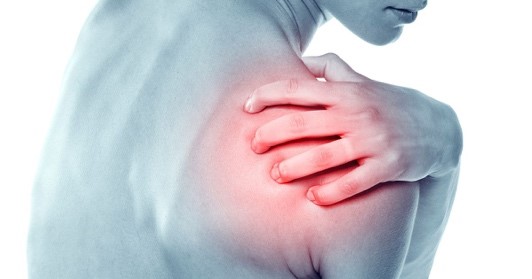
Shoulder pain is a very common presentation we see in the clinic, with around 70% of individuals experiencing shoulder pain at least once in their life. Rotator cuff tendinopathy is the most common cause of shoulder pain, with it being seen in 30% of the overall population. A rotator cuff tendinopathy is chronic inflammation of the rotator cuff tendons and can be attributed to pain and weakness in the individual’s shoulder.

Anatomy:

The rotator cuff is comprised of 4 muscles (supraspinatus, infraspinatus, subscapularis and teres minor). These muscles originate from your scapula and attach onto the humerus. The rotator cuff holds the upper arm onto the body and provides strength and stability throughout shoulder movements. These muscles are prime movers in external and internal rotation as well as abduction. The rotator cuff requires balance, strength and flexibility to ensure the head of the humerus stays centered on the scapula.

Causes:

Rotator cuff tendinopathies have a variety of causes. The most common causes being:

  • Repetitive arm movements
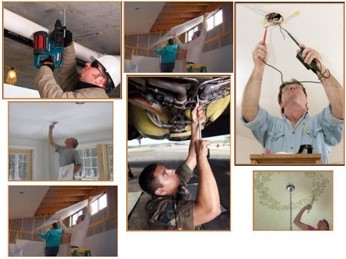
  • Overhead activities
  • Heavy work
  • Muscular imbalances
  • Degeneration/wear and tear

Signs and Symptoms:

There are some classic tell-tale signs of having a rotator cuff tendinopathy. Such as:

  • Pain when reaching forward, reaching behind your back and lifting
  • Pain when sleeping on the affected side
  • Pain around the rotator cuff region and shoulder which is normally a dull ache
  • Difficulty lifting the arm higher than the shoulder
  • A gradual increase in pain over a period of time
  • A feeling of weakness in the shoulder

Keep in mind injuries have a lot of variance between individuals. If you have a suspected shoulder injury, for accurate diagnosis, it is best to book an appointment with your physiotherapist to understand your specific injury completely.

Treatment:

The aim of treatment is to reduce pain, restore full range of motion and strengthen the muscles surrounding the shoulder. One of the first steps in treatment would be trying to limit or avoid the aggravating factors where possible.

To improve your range of motion your therapist might use a variety of techniques. One of these techniques can be soft tissue massage. This is useful in reducing stiffness and tightness in the muscles surrounding the shoulder. Soft tissue massage can be helpful for reducing pain in the short term as it can provide an analgesic effect to the area. Rotator cuff tendinopathies require more treatment than solely soft tissue massage. As it is a functional injury and load tolerance issue, exercise prescription is the MOST IMPORTANT aspect of treatment.

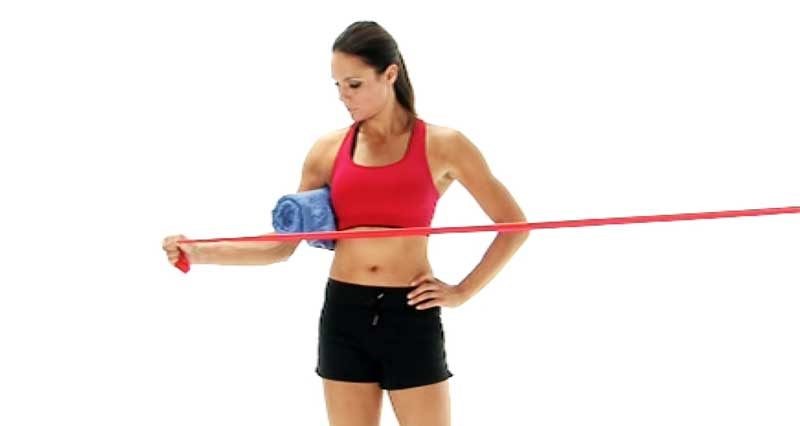
Your physiotherapist will provide you with a tailored exercise program that targets the specific muscle/tendon that is affected but also any underlying weaknesses. Your therapist will work with you to provide appropriate range of motion exercises, allowing you to move your arm more freely. As you increase the available range of your shoulder you will find you will start to feel less pain and have more use of your arm. Increasing the strength in the rotator cuff is extremely important to restore the integrity of the shoulder joint. This strengthening will target specifically the rotator cuff muscles but will also include shoulder stabilisation exercises. Stabilisation exercises will work to ensure the scapula and humerus are able to function as one cohesive unit again, which will reduce your risk of re-injury. In the later stages of rehabilitation, you may also undergo a sport specific or occupation specific program. This will develop increased shoulder strength and control in activities normal in your daily life. Combining all these treatments together can provide great relief and restore full function in the upper extremity.

If you are experiencing shoulder pain, you could have a potential rotator cuff tendinopathy and will benefit from seeing one of our physiotherapists to ensure correct treatment. Please get in touch with us on 9672 6752 (Kellyville) or 9871 2022 (Carlingford) and one of our friendly receptionists will be able to arrange an appointment for you.

Concussion in Sport

Concussion is a hot topic right now in the sporting world. All the major sporting codes are talking about how we can best  prevent and manage these injuries. Do you have a plan for if you or someone you know sustains a concussion this sporting season?

What is a Concussion?

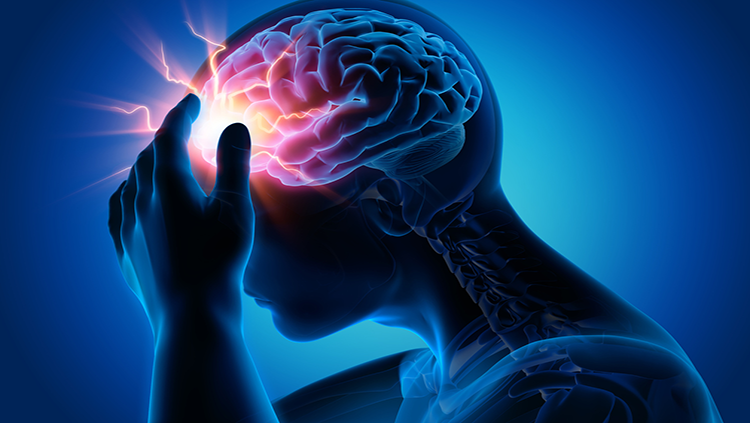
A concussion is a type of traumatic brain injury induced by bio mechanical forces to the head or anywhere on the body that transmits an impulsive force to the brain. This could be from either a direct blow to the head, such as a head knock or a tackle, whereby strong forces are transmitted to the head resulting in an acceleration/deceleration mechanism of injury – similar to a whiplash injury. Concussions cause short lived neurological impairments that can happen at the time of the injury or eventuate in the hours after a collision or head knock. The symptoms of concussion are most often temporary and resolve without medical intervention, however the long-term effects of concussions or multiple head injuries is still being researched.

Concussions are most prevalent in sports where there is a high level of physical contact, for example rugby league, rugby union, boxing and mixed martial arts. However, it is not exclusive to these sports alone and we certainly see the occasional concussion in netball, soccer, gymnastics and even the school playground. Sometimes recognizing the symptoms of a concussion is difficult as they can present quite differently between individuals. It is therefore crucial to be vigilant around teammates, children or athletes who may be at risk of sustaining a concussion. Being able to recognize the symptoms of a concussion is vital for the correct management and treatment of the player, and to prevent any further injury.

If you, a teammate or a child you’re watching play sport sustains a concussion during sport it is important to be able to RECOGNISE the symptoms and REMOVE them from play immediately.

Symptoms of a concussion may include:

  • Headache
  • Loss of memory (amnesia)
  • Confusion
  • Nausea or vomiting
  • Fatigue and drowsiness
  • Blurred vision or “seeing stars”
  • Delayed responses to questioning (i.e. forgetfulness)
  • Irritability or personality changes
  • Neck pain

It is important to note that loss of consciousness or being “knocked out” does NOT always occur when someone sustains a concussion. The above symptoms may be present at the time of a head knock or collision, however sometimes they may develop over time. As a parent or caregiver, coach or friend, please know and understand the signs and symptoms to watch out for in the hours following a head injury and be aware of when to seek further medical advice or present to the emergency department.

Worsening symptoms may include:

  • Increasing neck pain or severe headaches
  • Increasing confusion, agitation or irritability
  • Repeated vomiting
  • Seizures or convulsions
  • Weakness, tingling or burning sensations in the extremities
  • Deteriorating consciousness
  • Double vision

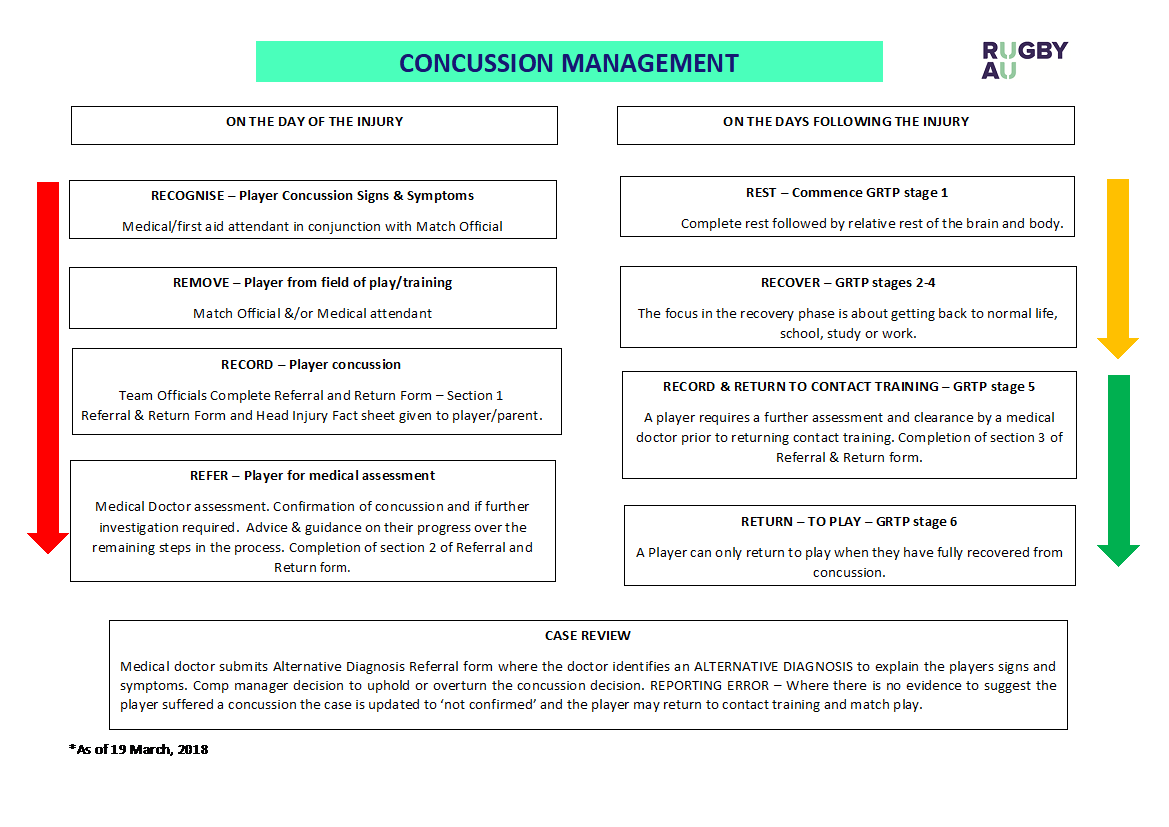
Once a player has sustained a concussion and has been removed from play, they must be referred to a Doctor or qualified health professional for further assessment. That health professional will then be able to run through a battery of tests to determine the severity of the concussion and can recommend the appropriate management.

What should I do after sustaining a concussion?

Rest is the most important thing to do after a concussion. As concussion is a brain injury, the brain must be rested for a minimum of 24-48 hours or until symptoms have completely resolved. This includes rest from school and work activities, as well as any other leisure activities and sports or exercise. It is recommended that a player reduces screen time too – yes, that means no computer games, phone, tablet or video games! Following an appropriate period of rest, a gradual return to normal daily activities including school, work and leisure can begin, so long as there are no worsening of symptoms.

When returning to sport it is crucial to ensure a gradual and progressive approach is taken. Light exercise can begin once all activities of daily living are able to be completed without any symptoms (e.g. headaches, dizziness, fatigue, disorientation). The next step is return to basic, sport-specific, non-contact drills before incorporating more complex activities. Full contact practice and subsequent match play can resume after the player has been cleared by a medical practitioner. Typically this process can take 3-4 weeks, however some individuals will need to take a longer time off sport if their symptoms do not completely resolve. If the player is under the age of 18, Rugby Australia protocols insist that they are not to return to contact sport for minimum of 19 days.

If you would like to read more about concussion guidelines specific to your sport you can visit the following links:

Rugby Union

https://www.world.rugby/the-game/player-welfare/medical/concussion/concussion-guidelines

AFL

PRECEDENT INFORMATION PAGE (afl.com.au)

References:

  • Elkington, L., & Hughes, D. (2019). ‘Concussion In Sport Australia Position Statement’ – Australian Institute of Sport and Australian Medical Association position statement on concussion in sport. Medical Journal Of Australia206(1). doi: 10.5694/mja16.00741
  • Rugby Australia publication – ‘Concussion Procedure (Rugby Public-Standard Care Pathway)’
  • Sports Medicine Australia. (2018). Concussion in Sport Policy. New South Wales: Sports Medicine Australia.

Multifidus: The Hidden X Factor of Low Back Pain

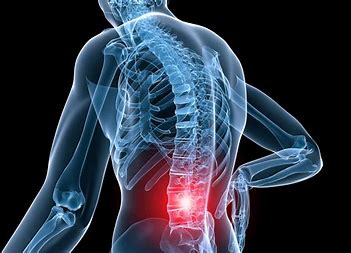
Lower back pain is an extremely common condition in Australia. Research from the Australian Bureau of Statistics (ABS), estimate that 70-90% of people will suffer with back pain in some form during their lives. Therefore lower back problems contribute to a significant burden on the healthcare system.

Whilst the cause of lower back pain can be varied, one thing that has been shown to be strongly associated with lower back pain is weakness in a deep layer of our lumbar spine known as multifidus.

What is Multifidus

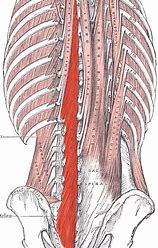
The multifidus is a muscle that runs from the back of our pelvis all the way up to the base of our skull. It attaches to each vertebra and sits just superficial to the spine itself, which puts it in a good position to provide stability and control to our entire spine. Multifidus plays multiple roles, including:

  • Producing movement (extension when activated on both sides, side bending to the same side, rotation to the opposite side)
  • Proprioceptive feedback and input, due to a high density of muscle spindles
  • Fine control of the neutral zone – a region of intervertebral movement around the neutral posture where little resistance is offered by the passive structures of the spinal column
  • Stiffness and stability of the vertebral column – enables each vertebra to work more effectively and reduces degeneration of the joint structures caused by friction from normal joint activity.

How does Multifidus affect Lower Back Pain?

Multifidus can become weakened or reduce in size due to a number of reasons including sedentary lifestyles and pre-existing conditions. As a result, multifidus becomes dysfunctional due to pain-related inhibition where the brain shuts down the muscles and prevents them from working effectively. When this happens, muscle tissue gets replaced by fatty deposits and this can lead to persistent dysfunction. An MRI can provide further information on the extent of deconditioning, weakening and fatty deposits.

Deconditioning of the multifidus leads to multiple issues with the lower back and core including:

  • Instability of the spine
  • Poor posture
  • Overcompensation of secondary stabilisers
  • Abnormal biomechanics

How can physiotherapy help?

Physiotherapy can help by providing a thorough assessment of your condition and determine the extent to which your multifidus is contributing to your lower back pain. We can do this by assessing your strength, balance, proprioception and motor control. Exercises can then restore normal muscle size and strength by concentrating on lower back strength, proprioception and from there improve core stability and coordination.

Exercises can be supplemented by manual therapy such as soft tissue release and dry needling. Soft tissue release will help ease local muscle tension, spasms and associated pain. With reduced pain follows reduced inhibition, which allows for gradual strengthening and restoration of fine control and core stability.

Dry needling can also assist with multifidus rehabilitation. Trigger points in multifidus decrease the efficiency of transversus abdominis (another deep core muscle on the other side which contributes to overall stability) due to decreased reciprocal inhibition (where activation of one muscle forces relaxation of the muscle on the opposite side). Needling of multifidus trigger points can increase the thickness of transversus abdominis during contraction, which can help treat lower back pain and facilitate normal core function.

Further reading:

https://www.physio-pedia.com/Lumbar_Anatomy 

https://www.physio-pedia.com/Lumbar_Multifidus 

https://pubmed.ncbi.nlm.nih.gov/20193941/ 

  • Vinay Karamil (Physiotherapist)

Why you should be getting more zzzz’s

As a physiotherapist, when I start talking to a patient about their sleep, nutrition, water intake and recovery strategies I sometimes get some strange looks. After all, a physiotherapist helps to rehabilitate injuries, not council people on their sleep and diet. However, all of these elements actually have a huge role to play in potentially why your injury happened but also your recovery. Therefore, it is a discussion we may have with you so we can better understand your injury journey.

Why do we sleep?

Sleep is a fundamental physiological function of the human body, it ranks highly along with the basic human needs of food, water and shelter. Across the lifespan, the average person spends 26 to 35 years asleep. This equates to approximately 33% of their life. I am sure many of us have experienced poor sleep or lack of sleep at some point in our lives. As you are likely aware, it is a horrible feeling waking up in the morning and having to run the whole day on next to no sleep. In fact, sleep deprivation has historically been used as a form of torture.

Sleep is the time where our body recovers both physically and mentally. Sleep is essential for bodily functions such as tissue growth/repair and memory consolidation. Studies have demonstrated that people who have poor quality or quantity of sleep are more prone to chronic illnesses such as cardiovascular disease, cancer and early death.

What impact does sleep (or the lack of it) have on injury rates?

Injuries can happen at any point in our lives and usually they are inconvenient and painful. The physical, emotional and financial burden of injuries can extend for months to years after. In sport, we wear mouthguards to protect our teeth and tape to protect out joints. So why wouldn’t you optimise your sleep if it can also prevent injuries?

Poor sleep influences injury by delaying our physical and cognitive reaction times thus increasing the risk for injury.

  • Workplace

– overly tired employees were 70% more likely to be in workplace accidents than colleagues who were not sleep deprived

– workers with insomnia are much more likely to have workplace accidents then those without sleep disorders

– nurses who work a 12.5 hr shift were 3 times more likely to make a medical error than those who worked an 8.5hr shift

– people who drive for their job and get 6 hrs of sleep or less are 33% more likely to be involved in an accident

– in commercial truck drivers, driving drowsy is responsible for >50% of crashes

– approximately 13% of all work injuries are related to poor sleep

  • Sporting

– young athletes (school year 7-12) who sleep < 8hrs per night are 1.7x more at risk of injury than those who slept > 8hrs/night

– chronic lack of sleep in adolescents is associated with greater risk of sports and musculoskeletal injuries

– poor sleep doesn’t appear to have a significant impact on injury rates in the athletic adult population but more research is needed before we can draw sound conclusions here

What causes poor sleep?

There are a number of causes of poor sleep, some are easy to address yourself whilst others are more complex and may require diagnosis and management by a health professional. Poor sleep can occur acutely (a single night, a few consecutive nights or sporadically) or chronically (long term poor sleep). Common causes of poor sleep include;

  • caffeine consumption
  • use of screens
  • exercising in the evening
  • poor meal timing
  • having babies and young children (shout out to all the parents!)
  • environmental factors (temperature, light, noise etc)
  • shift work
  • sleep disorders (sleep apnoea, insomnia, restless legs etc)
  • drug side effects
  • Life stressors (thanks covid)

What does ‘good sleep’ look like? 

High quality sleep looks like passing through 4-6 sleep cycles per night which last approximately 90 minutes each. During each cycle you should experience deep sleep, light sleep and REM sleep. The proportion of time you spend in each type of sleep varies as the night goes on.

In terms of quantity of sleep, this varies depending on your age and physical demands. Newborns usually require 12-18hrs per day and children between 5-10 years of age require about 10hrs/day. Teenagers require 8-9hrs per day whilst adults generally require 7-9hrs. How much sleep YOU specifically need also comes down to a number of variables. These include;

  • Do you have high levels of daily energy expenditure (eg athlete or manual job)?
  • Do your daily activities require alertness to do them safely?
  • Are you at risk for any diseases or do you have any long term diseases?
  • Are you trying to absorb alot of information or learn a new skill?

Elite athletes and those with high physical workloads can benefit from sleeping 9-10hrs per night to optimise recovery.

How does sleep aid injury recovery?

Sleep is the time our body rests and recovers both physically and mentally. When you are recovering from injury we experience an increase in energy demands as the body tries to repair the damaged tissues. Overnight is when we predominantly release a number of hormones which are essential for tissue recovery, repair, protein synthesis and cell replenishment. If you are getting inadequate sleep you are not optimising on this huge recovery window and the hormone release that supports it. This could in turn mean, slower recovery from injury, poorer quality of the tissue repair and an increased re-injury risk.

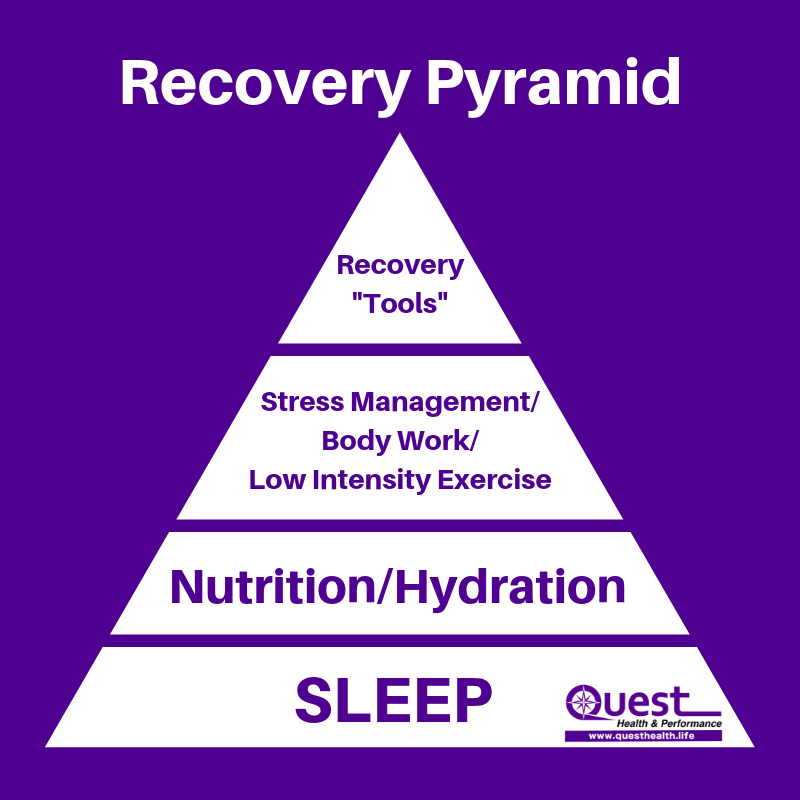
When we talk about recovery strategies alot of our patients would immediately prioritise hot/cold showers, stretching/foam rolling and massage therapy. Whilst important and they certainly have their role, sleep, nutrition and hydration certainly take the cake and should be of highest priority. To really optimise recovery you need to make sure you are covering these 3 areas first and THEN add in your other recovery tools.

How can you improve your sleep to prevent injury or optimise recovery? 

If you have been experiencing sleeping issues for a while now it would be best to chat with your GP about why this may be the case. They may want to run some further tests to help resolve this issue. In the meantime, there are plenty of easy sleep hygiene tips you could try to improve your sleep. Our best tips are;

  • Have a bed time routine to start the process of releasing our sleep promoting hormones
  • Stick to a sleep schedule
  • Improve your sleeping environment: Good mattress and pillow, dark and cool room, wear ear plugs if it’s noisy, eye mask to block out light
  • Avoid caffeine after midday
  • Limit your fluid consumption in the later afternoon and evening
  • Exercise everyday but preferably not too close to bed time
  • Avoid afternoon naps as this will reduce your sleep drive
  • Have a notepad and pen beside the bed if you need to get thoughts out of your mind
  • Sleep with your phone in a different room
  • Use dimming lights in the evening to promote the illusion of sunset

“A good laugh and a long sleep are the best cures in the doctors book” – Irish Proverb

– Kimberley Cochrane – Physiotherapist (Bachelor of Physiotherapy, First Class Hons, GradCert Sports Physio)

Do you have Patellofemoral Pain Syndrome?

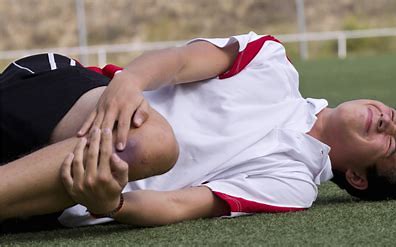
Patellofemoral pain syndrome (PFPS) is characterised by diffuse, anterior knee pain which occurs particularly during running, stair climbing or squatting activities. When the knee is bent (flexed), the compressive forces within the knee joint increase. With repeated stress or strain on the knee joint, the joint may develop inflammation which causes irritation and pain. PFPS commonly occurs in young, active people who place repetitive stress through the patellofemoral joint when playing sports such as netball, soccer, basketball and touch football.

Common Signs, Symptoms and Risk Factors:

  • Gradual onset of anterior knee pain
  • Pain on running, squatting, lunges, stair climbing, or any activities that involve bending the knee, usually in a loaded or weight bearing position
  • Usually affects females more than males


Common Causes:

PFPS is said to be a multifactorial condition – one that has a variety of factors influencing its onset. The key is to identify which factors are contributing to YOUR knee pain, and have your Physio develop and implement a rehabilitation program addressing any underlying factors. Your intervention should be targeted to you and your goals, be sport specific and will allow you to prevent any future occurrences of knee pain.

Things that may contribute to PFPS:

  • Overuse or overload of the patellofemoral joint
  • Biomechanical abnormalities
  • Muscular weakness, tightness, imbalance or dysfunction

Slight deviation, misalignment or incorrect glide of the patella (kneecap) within its groove is often a contributing factor which can cause overload or pressure on the patellofemoral joint which can lead to pain and discomfort. Muscular imbalances can be the cause of patella deviation and aggravate PFPS. For example, when the outer quadriceps muscle (vastus lateralis) exerts a higher force or overpowers a weak VMO (vastus medialis oblique) the patella may be pulled laterally or tilted which can lead to anterior knee pain. Tightness in the hamstrings or gastrocnemius (calf) muscles as well as weakness in the gluteal muscles have also been proven to contribute to the onset of PFPS. Poor gluteal control can lead to dynamic lower limb instability and increased forces through the medial knee joint. Biomechanical abnormalities at the foot or hip should also be assessed in a thorough Physiotherapy examination to identify any potential causes of PFPS and be addressed in a comprehensive rehabilitation program.


What can your Physio do to help?

Physiotherapists are able to reduce the immediate pain and inflammation, identify the factors contributing to your pain, and develop an appropriate exercise rehabilitation program specifically for you. At your appointment, your Physio will:

  • Identify whether your symptoms match the stereotypical clinical presentation of PFPS
  • Ask questions to determine the onset and type of pain you’re experiencing and what activities bring on your pain
  • Perform a physical examination of your knee including special tests to rule out any serious pathologies
  • Assess your ability to perform functional movements such as jogging or squatting
  • Assess the range of motion, strength, flexibility and control of your muscles
  • Develop an individualised treatment and rehabilitation plan including exercises to correct muscle imbalances or address biomechanical abnormalities
  • Provide you with education regarding your condition, the treatment and rehabilitation plan and strategies to manage your pain
  • Show you some taping strategies to assist in alleviating your pain (see a demo below)

https://www.instagram.com/tv/CNB8BhIAADI/?utm_source=ig_web_copy_link

  • Assist you in getting back to your sports and activities as soon as possible!

What is the prognosis for patellofemoral pain?

Most people with PFPS can achieve a full resolution of their pain. Sometimes this may take 4 weeks and in other cases it could take 3 months. How long your rehabilitation will take can depend on many factors including how long you have had the issue, how good your strength and function is and how good your motor control is. After your first consultation your physiotherapist should be able to predict a more accurate timeframe for you.

Keeping the pain at bay (once it has resolved) also means you need to be compliant to a long term prevention program which minimises the recurrence of the issue.

If you or someone you know are experiencing knee pain feel free to contact our friendly team on 9672 6752 (Kellyville) or 9871 2022 (Carlingford) to make an appointment.

Health Benefits of Pilates

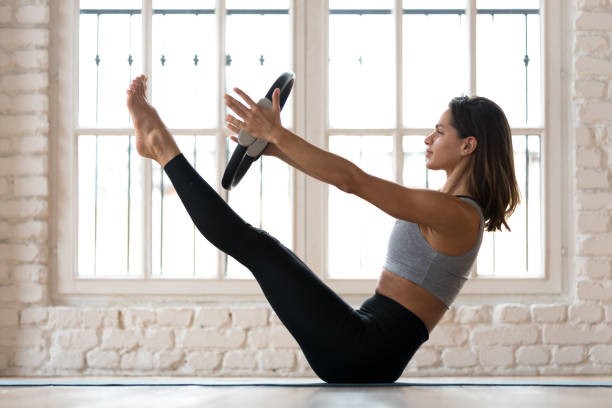
Pilates consists of a variety of exercises to enhance physical capacities and is based off six principles: centering, concentration, control, precision, breath and flow.  Pilates works to improve strength, mainly in muscles surrounding the pelvis and spine commonly referred to as the “core”. Due to the focus of Pilates on the “core”, Pilates can be extremely effective in injury prevention, rehabilitation, general fitness and well-being. Pilates has an extensive list of health benefits attributed to as much as 1 class a week for 10 weeks. Here are 6 of the main health benefits you could achieve by participating in a Pilates class.

  1. Increased muscle mass

Muscles play a crucial role in daily life. Muscle mass is the amount of body weight that is made up from muscle, this does not include fat or bones. They allow movement, balance, organ function, skin integrity and immunity. A natural part of ageing is the loss of muscle mass. Once over the age of 40 you can lose around 8% of muscle mass per decade! This can increase an individual’s susceptibility to falls, fractures and delayed recovery from injury or illness. Due to this, it is highly important to maintain as much muscle mass as possible. Pilates exercises recruit a wide range of muscles in the body aiding in maintaining muscle mass globally throughout the body.

  1. Increased balance

Improvements in balance are achieved by Pilates teaching control and coordination of movements. Balance is the ability to control your body’s position either when stationary (standing) or moving (walking). Balance is extremely helpful in daily tasks such as standing on tip toes to reach a high shelf, walking on uneven ground or walking up and down stairs. Good balance also helps to reduce the risk of falls, which is the number one reason for death in the elderly population.

  1. Increased flexibility and mobility

Flexibility is the amount of passive stretch a muscle or joint has in the body. Mobility is the active range of motion of a joint or muscle. To improve mobility, you would first need to increase your flexibility and then focus on improving your strength throughout the whole range. Through doing this you will achieve an increase in your mobility.

During a Pilates sequence the focus is on slow controlled movements. Pilates combines both strengthening and stretching throughout the exercises, which helps to improve strength, flexibility and mobility. Studies have shown Pilates offer a more effective improvement in flexibility when compared to static stretching (Campos de Oliveira 2016).

  1. Increased core strength

A common misconception is that core strength is the same as abdominal strength. However, core strength refers to a person’s ability to stabilise and control movements of the torso. The core encapsulates the abdominal muscles, back muscles (multifidus, erector spinae and latissimus dorsi), diaphragm, pelvic floor and gluteal muscle group. Having a strong core makes it easier to complete physical activity through improving balance, stability, posture and can help to reduce back pain. During Pilates, the specific movements require you to contract and relax your core muscles. The unique choice of exercises in Pilates ensure you stabilise and strengthen the aforementioned muscles while moving your limbs to further challenge your balance, strength, stabilisation and flexibility.

  1. Improved mood

Pilates is a form of physical exercise. The body’s response to exercise is to release endorphins. Endorphins is a chemical that when released increases feelings of pleasure and wellbeing. Studies also show that after partaking in Pilates there was a reduction in feelings of anxiety, fatigue and depressive symptoms while also increasing feelings of energy (Fleming, 2020).

  1. Improved body awareness

While completing Pilates you have to draw your attention inwards to focus on activating the correct muscles, feeling the correct sensations and maintaining correct body alignment. Due to this focus, Pilates can enhance your proprioception and therefore your body awareness. As your body awareness increases it will assist in reducing your risk of injury or falls as you are better able to control and respond to outside stimulus on the body.

  • Brooke Sullivan – Physiotherapist (Bachelor of Exercise and Sports Management; Masters of Physiotherapy)