What are the Benefits of Sports Physiotherapy?

Australia loves sports. From football to basketball, all Australians love to test their mettle against one another. Regular participation in sports helps the body stay fit and healthy. However, the consistent physical effort required by strenuous sports activities can take a toll on the human body. Injuries are all too common especially in contact sports. No one wants teammates and competitors to get injuries that may prevent them from playing again in the future. To prevent and treat sports injuries, athletes and sports enthusiasts can benefit from sports physiotherapy.

sports physiotherapy

Want to train for your upcoming sports competition or suffering from a sports injury? For your sports physiotherapy needs, consult our professional physiotherapists at PPS Physiotherapy. We offer specialised physiotherapy services including sports injury rehabilitation and treatment. Visit us at Suite 4,7 Lloyds Avenue or call us on (02) 9871 2022 for consultation.

Here are Some of the Top Benefits of Sports Physiotherapy

1. Sports Physiotherapy helps prevent injury.

Athletes and enthusiasts should visit a sports physiotherapist to assess your strengths and limitations. They can design a fitness plan that includes strength training, cardiovascular exercises and flexibility. This customised training regimen can ensure that instances of muscle strain, sprain, cramps, torn ligaments are reduced and prevented.

2. Sports Physiotherapy helps treat sports injuries.

While sports physiotherapy can help prevent injuries, accidents can still happen especially in contact sports. A wrong fall or an awkward arm placement can result in broken bones, torn ligaments and muscle injuries. A sports physiotherapist will create a customised treatment plan to help patients recover from sprains or dislocations much faster quickly before it worsens resulting to other complications.

3. Sports Physiotherapy can help improve performance.

While sports physiotherapy is usually associated with the treatment of sports injuries, it actually has more benefits for athletes and sports enthusiasts. A sports physiotherapist can help enhance your existing abilities and improve your performance in your chosen sport. Strength training, body flexibility training and endurance training are all important for optimum sports performance.

4. Sports Physiotherapy helps cooling down after working out.

Cooling down after a day of sports activities is as important as warming up. Sports physiotherapy can help athletes and enthusiasts unwind to prevent further straining the body, and regain energy for the next sports event.

Schedule a Sports Physiotherapy Session with PPS Physiotherapy

PPS Physiotherapy is a physiotherapy and sports injury clinic established in 1989 providing top quality sports physiotherapy services in Sydney. Our expert sports physiotherapists use an evidence-based approach to sports physiotherapy. Our services include sports therapy, sports massage, sports rehabilitation and injury treatment.

If you are looking for a sports physio, Kellyville athletes and enthusiast may call us on (02) 9672 6752 to schedule an appointment. You will get a confirmed booking time within the next 24 hours.

Where to Find the Best Physio near Epping?

Licensed Epping Physiotherapy

Physiotherapy can help everyone suffering from chronic pain, restricted mobility, injury due to accidents and aging. A few sessions with a licensed Epping physiotherapist can help alleviate your pain and even treat your body complications fully. A good physiotherapist will be able to understand the underlying condition and help condition you mentally to manage your pain.

One may find a lot of physiotherapy clinics with just one online search for “physiotherapy near me”. But there are some things that you may need to find the best physiotherapist that suits your specific needs.

Here are some tips on finding the best physio near Epping

If you are in need of a physio Epping residents’ number one physiotherapy clinic is PPS Physiotherapy. We deliver the highest quality evidence-based physical therapy services in Epping and surrounding suburbs. For specialised Epping physio, consult our friendly physiotherapists today. Visit us at Suite 4, 7 Lloyds Ave Carlingford, NSW 2118 or call us on (02) 9871 2022 for consultation.

physiotherapy Epping

Tips on Finding The Best Physio For You

1. Check their qualifications

Some of the worst injuries and diseases need specialised care. You need to have a physiotherapist that knows what they are doing. A licensed physiotherapist would need a university degree in physiotherapy and register with the Physiotherapy Board of Australia. The easiest way to find out is to call the physiotherapy clinic and ask about it.

2. Observe the physiotherapy clinic environment

One of the best ways to find out if a physiotherapy clinic suits you is to visit the clinic itself. That way, you can get a feel of the place which you will be visiting multiple times in the future. Observe how practitioners treat their patients and check the spaces where therapy sessions are held.

3. Look for their customer service practices

The best physiotherapy clinic will go above and beyond to give the best customer service. Are they flexible in scheduling appointments? Do they have convenient service hours? Do they have easy payment options like direct billing to your insurer? These are all signs of good customer service.

Where to Find the Best Physio Near Epping

If you are residing in or near Epping, you may find the best Epping physiotherapy clinic at Suite 4, 7 Lloyds Ave Carlingford, NSW 2118. PPS Physiotherapy offers comprehensive evidence-based physiotherapy services including personal physiotherapy, sports physiotherapy, workplace injury management, pelvic floor management and Enhance Primary Care (EPC) Programs.

Our friendly physiotherapists use the latest physiotherapy methods and protocols that are guaranteed to help you manage your pain and achieve your health and fitness goals. Call us on (02) 9871 2022 today for a consultation.

Do you suffer from Achilles Tendinopathy?

What is a Tendinopathy?

Achilles pain can be extremely disruptive to your exercise endeavours and if not managed appropriately may continue to worsen. The good news is that there are treatment options available!

A tendinopathy is an overload of a tissue in the body called a tendon. Tendon attaches muscle to bone and allows movement to occur at our joints. Basically they are pretty critical to allowing us to function. If a tendon becomes overloaded (force/load applied is greater than recovery) the tendon can become injured. Tendinopathy’s make the tendon become disorganised and alters the normal structure. In an Achilles tendinopathy the location of the injury can occur at the insertion onto the heel bone (insertional tendinopathy) or mid-way up the Achilles (mid portion Achilles tendinopathy). The management of these 2 types of tendon injuries is actually a bit different.

Achilles Tendinopathy

How do I know if I have a Tendinopathy?

The only true way to achieve an accurate diagnosis is to consult a qualified physiotherapist or speak to your GP and arrange an ultrasound. Either way you will likely need a physiotherapist to help you overcome your injury.

So I have a Tendinopathy what should I do about it?

1. Rest?

No! Complete rest will not make your injury heal or repair. In fact to get a tendon better we must overload it. I know this sounds crazy but bear with me! Overload caused the injury in the first place however this overload was an incorrect type of loading, that is you did too much, your activity levels were greater than your recovery capacity, you have poor biomechanics or you are not wearing the correct footwear. Whatever the incorrect loading mechanism we can address this and apply the correct loading technique to initiate repair.

2. Exercise?

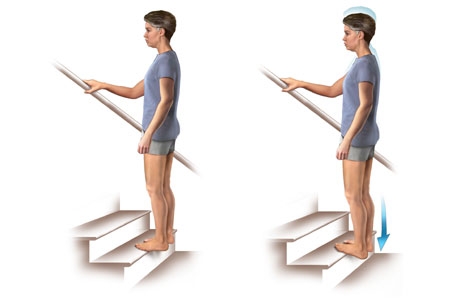
Yes, exercise is crucial to improving tendon health. A physiotherapist can prescribe the exact exercises you need to be doing. They will also advise on whether it is safe to continue your current exercise regime. We always aim to keep you doing the activities you love but we may need to help you modify these in some way for the time being.

staircase excercise

3. Ignore it?

Absolutely not! The earlier we can treat these tendon issues usually the better outcome. When your tendon injury is in the early stages we call it a reactive tendinopathy and we are usually able to better treat the tendon and return you to your previous activity levels. Once the tendon enters a more chronic phase it becomes much harder for us to treat. The longer it is left usually the longer the rehab time as well.

4. See a Physiotherapist ASAP?

Yes! I can’t stress it enough how important it is to see a physiotherapist early. Don’t leave pain for weeks, months or even years on end. As a general rule of thumb if you have pain for >3 days and it is not changing it’s time to get it seen to. With tendons, this rule becomes blurred as a tendon may be ok during activity but become painful with rest. The pain may subside over 1-2 days however it will flare up again the next time you do the activity.  If you notice this pattern it is also time to get it seen to.

See also: Biceps Tendinopathy

How do we treat an Achilles Tendon Issue?

Treatment is prescribed on an individual basis, there is no one size fits all. The physiotherapist will assess where you are at, the stage of your condition, what your pain levels and strength is like and then prescribe a program just for you. Broadly it may include some of the following treatment methods;

  • Massage
  • Specific Strengthening exercises – this is the big one!
  • Ultrasound (in some cases)
  • Graduated return to sport program
  • Footwear advice

Tendon treatment and management is an ever evolving world and something we as physiotherapists endeavour to stay up to date on to provide our patients with the best management options. If you think you have an Achilles tendon issue give our friendly receptionists a call today on 9672 6752 (Kellyville) or 9871 2022 (Carlingford) to make an appointment.

5 Reasons why you should join a Pilates class!

Over recent years there has been a huge increase in Physiotherapy clinics offering Pilates classes as an option for treatment. Whether it’s lower back pain, pre or post pregnancy, poor flexibility or poor core strength, Pilates has been shown to have a range of benefits for a number of different conditions.

Firstly….a little bit of background on what a Pilates class usually involves. Pilates is an exercise based class which focuses on breathing control, muscle activation, movement control and mental concentration to improve the strength in areas surrounding the pelvis and spine, namely the ‘core’. There is also a focus on flexibility and improving lean muscle tone to allow your body to function in the way it was designed. This focus on the bodies’ ‘core’ is the reason Pilates is great for injury prevention, injury rehabilitation, pre and post pregnancy and general fitness and well-being.

So maybe you’re wondering if you should join a Pilates class and whether or not it can help with your pain, weakness or postural issue. If that’s you, then go ahead and read on as we give you 5 reasons why you should consider signing up!

1. You have had trouble with lower back pain at some stage in your life

Lower back pain affects up to 80% of people at some stage in their life. Pilates has been shown to help with treatment of sub-acute and chronic lower back pain. This is secondary to improvements in core strength and stability, gluteal and lower back strength, lower limb flexibility and thoracic and lumbar mobility. Pilates also plays a role in learning correct activation of postural muscles and increasing the endurance capacity of these muscles via strengthening work.

Low back pain should be treated similarly to any other injury and requires proper rehabilitation to prevent re-injury….this means restoring range of motion, improving biomechanics, strengthening surrounding muscle groups and restoring functional capacity. Pilates can be a great way to achieve this rehabilitation in a group setting on a weekly or fortnightly basis. Pilates can also be easily tailored to individual needs to ensure the program is at the right level of difficulty for your ability.

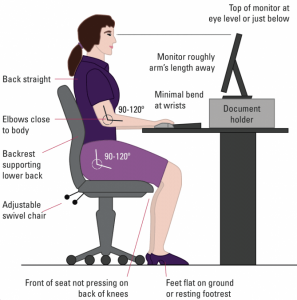
2. You get postural pains or sit at a desk all day

So what about all of you who sit at a desk or stand all day at work? Maybe you notice you regularly get neck, shoulder or upper back pain. In the clinic we hear this type of thing all the time and it could be due to poor postural positioning or potentially weak or tight postural muscles.

Pilates is great for combatting postural issues as one of the main focuses is teaching correct activation patterns of postural and stabiliser muscles as well as strengthening and stretching.

The body consists of two general types of muscles… muscles with high endurance capacity and also bigger global muscles which have a better power capacity. The core is more like the former endurance muscles, which are required to activate for long periods of time. If these muscles aren’t activating effectively, the bigger global muscles are required to switch on to perform this job. The problem is that these muscles fatigue much quicker resulting in dysfunction and therefore pain. Thus Pilates aims to target the endurance capacity and strength of these muscles allowing them to better perform their role!

3. Your fitness goals include improving your flexibility and joint range of motion

In the clinic I’ve heard these types of comments a thousand times… “ive never been flexible’ or “I have had stiff joints for a while now”. Unfortunately improving flexibility and joint mobility takes time and effort. There’s no magic fix! During Pilates there is some focus on static stretching, dynamic stretching, foam rolling along with joint mobility work. This mobility work includes joints through the thoracic and lumbar spine, not just joints such as the shoulder and knee.

Pilates also has a role in teaching the body to access this new mobility and how to effectively use muscles within this range to achieve maximum performance.

So if one of your complaints is upper back stiffness, neck tightness, tight hamstrings or general joint stiffness for example then yes, Pilates is good for you.

4. You want to improve your core strength and stability

You’ve probably heard of the bodies’ core being referred to as a powerhouse… but why? The core is simply the base off which your limbs are able to move and includes all muscles which attach to the trunk of the body, allowing for stability and also force transmission between limbs. Every movement that you make during the day involves the core to some degree including simply taking a breath! If the core isn’t utilised effectively you have a greater chance of almost every type of injury.

Pilates will teach you how to effectively activate and strengthen your core (your deep core muscles not your abdominals) and correctly perform trunk stability and mobility exercises.

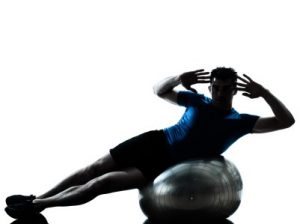
pilates - gym ball

5. You want to be involved in weekly low intensity exercise

Are you looking for some sort of physical activity which doesn’t involve you slaving away at the gym working up a sweat? Maybe your GP is recommending you perform some regular exercise. Although Pilates shouldn’t be used as your only form of exercise, it’s great for one or two of your weekly exercise sessions.

Even though you’re not smashing away at the gym, your Pilates instructor can still get your muscles burning. Pilates is more targeted and controlled exercise and will often target muscles which you don’t usually work out in your normal exercise regimes. You will probably discover a whole new set of muscles and muscular soreness you have never experienced before.

So hopefully now you’ve got a bit of a better idea of what Pilates is and can see the many benefits that you can gain! Not only will it help with the above list but can also assist with balance, gluteal activation, gluteal control and strength, improved muscular endurance, women’s health and breathing techniques!

If you live in Castle Hill, Epping and Baulkham Hills and interested in giving Pilates a go or would like some more information then give us a call on 9871 2022 (Carlingford) or 9672 6752 (Kellyville) clinics to join a class. Our Pilates timetable is also available under the Pilates tab on our website.

pilates

Concussion: If in doubt sit it out

IF IN DOUBT, SIT IT OUT   

With the winter sport season approaching many young and mature athletes will participate in a sport that involves physical contact.

As a coach, manager, team member or family member, it is important that you are aware of the signs, symptoms and management of a player suspected with concussion. In this blog, we aim to inform you on what a concussion is and what you need to know.

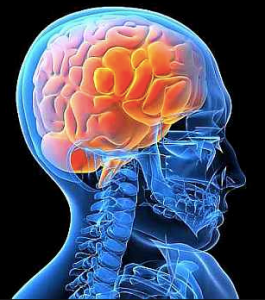
brain x ray

What is a Concussion?

It is a subtype of mild traumatic brain injury in which complex pathophysiological processes affect the brain induced by traumatic forces. It may be caused by a direct blow to the head and typically results in a rapid onset of short-term impairment of neurological function that does resolve spontaneously. Recovery may vary from minutes to hours.

See also: Sports Physiotherapy and Injury Management

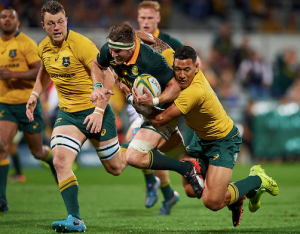
The most at risk sports include Taekwondo, Rugby and Ice hockey. Rates have risen since 2012 from one concussion every 3 matches to once concussion every match in the 2015 season of Australian Rugby Union. The increase concussion rates are partly explained by new guidelines that allow players, referees, coaches and medical practitioners to identify concussions.

What are the signs and symptoms to look out for?

  • Headache
  • Dizziness
  • Blurred vision
  • Nausea
  • Reduced reaction time
  • Confusion
  • Ringing in ears
  • Slurred speech
  • Impaired conscious state
  • Poor coordination or balance
  • Unsteadiness when walking
  • Slow to answer questions or follow directions
  • Poor concentration
  • Vacant stare
  • Light sensitivity

What do you do if you suspect a player has a concussion?

On field management is to rule out structural injury. Immediately, perform basic first aid and remove from play.

The Scat5 (standardized concussion assessment tool- 5th edition) is clinically proven to be both reliable and valid and is for health professionals only.

Taken from the Scat 5 concussion assessment, the Maddocks Questions are a quick indicator to determine if a player has a concussion and should therefore not return to play. An important and well established assessment for concussion on the sideline under the most recent concussion guidelines, is to assess an athlete’s orientation to time and place. This does not have to be done by a health professional.

The following questions are asked which should be preceded with the preface: “I am going to ask you a few questions, please listen carefully and give your best effort. First, tell me what happened?

  1. What venue are we at today?
  2. Which half is it now?
  3. Who scored last in this match?
  4. What team did you play last week?
  5. Did your team win the last game?

Any player with a suspected concussion should be REMOVED from play, medically assessed and monitored for deterioration.

Ensure that the player:

  • Does not drive
  • Does not drink alcohol
  • Must be in the care of a responsible adult.

Concussion signs and symptoms evolve overtime and so it is important to re-evaluate the assessment of concussion. Rest and restricting activity is essential to allow the brain to recover. Reduce time spent on sports, video games and television.

Rugby Australia’s current concussion care guide outlines the best practice of concussion management for community levels of play.

Should the player show any signs and symptoms of a concussion they must be referred to a medical centre.

soccer players

To know more Concussion, contact our physiotherapists on our Kellyville and Carlingford clinics today.

Growing pains… Can they be treated or are they just a part of growing up??

For anyone who’s had kids you probably know that they tend to complain of aches and pains pretty often but they’re usually a one off and you probably don’t think twice about it. But what about when this complaining becomes a bit more frequent and they tell you about the same type of pain a little more often?

Growing Pains

I’m sure you’ve heard the term ‘growing pains’ or maybe ‘Osgood Schlatter’s or Severs Disease … so when is it time to get those so-called ‘growing pains’ checked out? Is there really anything we can do to treat them? Or is it just a part of growing up?

Today’s blog is going to give you a bit more detail into these types of conditions and help to guide you on how to best manage them at home. Lastly, we will help you decide when they might need to get in to see the physio!

So what’s actually going on here..?
This type of pain falls into a condition known as Traction Apophysitis and can affect a number of different areas of the body. The most common conditions you may have heard of are on the back of the heel and the front of the knee. These are known as Sever’s Disease and Osgood Schlatter’s Disease respectively. Here is a list of some of the other areas where traction apophysitis’ can occur:

  • Severs Disease = Heel (Calcaneus) – Achilles Tendon
  • Osgood Schlatter’s = Knee (Tibial Tuberosity) – Patella Tendon
  • Sinding Larrsen-Yohansson = Knee (Patella) – Patella Tendon
  • Little League Elbow = Elbow (Medial Epicondyle)
  • Hip Joint Anterior = superior iliac spine OR
  • Ischial Tuberosity OR
  • Anterior inferior iliac spine

This condition occurs in children and adolescents typically secondary to a growth spurt as the bones tend to grow faster than the muscles causing tension through the attachment site of these muscles. As the bodies’ larger muscles contract repetitively, particularly in very active children, the constant pulling on the immature bone causes local irritation, inflammation and microtrauma.

See also: Patellofemoral Pain Syndrome

Who is at risk?
Traction apophysitis’ are more common in boys than girls and usually around the ages of 9-14, typically around the time of a growth spurt. It is more common in active children who are playing high levels of weekly sport, particularly running, jumping and kicking sports. Thus it is an overuse type of injury. It can affect one side of the body but also affects both sides in up to 30% of children.

playing basketball

How do we diagnose a traction apophysitis?
Pain is often a gradual onset but can be aggravated by a single event e.g sudden increase in activity. The pain increases with activity and will usually settle with rest although as the condition progresses it can also be painful during rest! The area of pain is tender to touch, for example the back of the heel or front of the knee, and can result in local swelling and inflammation. This inflammation and repetitive trauma can result in the formation of a lump on the heel or knee.

In some cases the pain may cause the child to limp and in extreme cases an avulsion fracture can occur. This is when the tendon pulls a piece of bone off secondary to a strong muscular contraction. There may be associated tightness of the surrounding muscles and often some biomechanical predisposition to the condition.

So can we treat this condition?
You may have been told that these ‘growing pains’ will eventually go away… and yes that’s true, it is a self-limiting condition which means as they reach skeletal maturity the pain will eventually subside… But that doesn’t mean that treatment isn’t effective!

As Physio’s we can help to manage symptoms and allow the child to continue playing sport (as they usually want to to!) and most children will respond well to this conservative management.

The first step involves reducing local symptoms by the use of rest and ice post activity. Anti-inflammatories may also be effective in the early stages. From here treatment will focus on gradually loading the surrounding muscles to better support the painful area, addressing abnormal biomechanics and movement patterns and some stretching (being mindful not to aggravate the painful area).
Isometric muscle activation can be effective early on and exercises will progress from non-weight bearing positions into weight bearing. The use of taping to help offload the tendon is also very effective particularly in the heel and knee. Heel raises can also be used for the same effect when treating Severs.

Often in the early stages the child can continue playing sport but as it progresses and becomes more painful there may need to be a discussion between parents, coaches and the physio about modifying their activity levels. Although the evidence doesn’t suggest an acceleration of the healing process it will contribute to a reduction in pain and is therefore important to consider for your child.

How long do symptoms normally last?
This will vary between children depending on body type, level of activity as well as a number of other factors. It is important to know that symptoms may be present for up to 2 years!

Do I need to get my child an x-ray?
These conditions are clinically diagnosed and radiographs are usually not required. Imaging may only be indicated if an avulsion injury is suspected. Your physio will be able to tell you if they are concerned about this. 

Stay tuned for some examples of how to tape your child to help reduce symptoms!

Find this information helpful? Share it with your friends!

Do you think your child could be suffering from one of these conditions? Bring them in and see one of our friendly physios in Kellyville and Carlingford for an assessment.

5 Common mistakes when starting a running program

So for those of you who decided your New Year’s Resolution was going to be ‘Get fitter’ or ‘Start some regular exercise’ or maybe to ‘Run a half marathon’, then this blog is for you! By this stage you’ve probably got a few runs under your belt and maybe you’re starting to realise it’s not as easy as you had hoped!

This blog is going to run you through the 5 biggest mistakes people make when trying to start a new running program and hopefully give you a few tips to help you make it to your 2018 goal, whatever that might be! There’s a good chance that by this stage in the year you’re getting a bit of an idea of what I’m talking about here.
 running program       
Number 1: You’ve started with too much too early!
So here you are in February, you’ve done a few runs a week and you’re starting to feel tired…. The body is feeling tight and rundown,  you’ve got a couple of small niggles which are starting to prevent you from running as far or maybe you just can’t be bothered anymore.

The biggest mistake people make when starting a run program is too many km’s too early and instead of getting fitter, you’re getting an injury! Most running injuries occur through training error e.g building up quicker than your body can tolerate or running too much with poor biomechanics!

Everybody is different and your run schedule depends on a few things… most importantly how much exercise you were doing beforehand! If you were doing next to nothing then you’ve gotta take it slow. This might mean 2 short runs in the first week around the 2-3km mark. Even if you feel good at this stage, stick to the schedule and wait until the next week to build on this. Don’t get over excited and belt out 4 runs in the first week close to your max distance.

Did you know a regular marathon training schedule is around 16 weeks? That’s 16 weeks of regular running on top of a BASELINE fitness of regular 10km runs prior to even starting this schedule. If this seems like a lot, that’s because it is and is a reflection on the time you should be giving to hitting a goal such as a half marathon or marathon to avoid giving up after 6 weeks because you’ve got an overuse injury!
 
Number 2: You’ve given no thought to your Shoes!
Now I’m sure you’ve heard it before, your shoes can make a huge difference! Does that mean you need to go out and buy a new pair just to go running in..? Not necessarily. Does that mean you need to go and get your foot assessed and placed in the perfect shoe for your foot..? Not really. Everyone has their own style. Chances are you have heard of the term ‘overpronator’ or maybe you’ve been told your ‘feet are flat’ or maybe that you run on your toes. The question is do these things really matter, and the answer is no. You might have the flattest feet in the world but your biomechanics allow for this and for whatever reason you don’t get any injuries.

These are the three things I recommend when looking for shoes prior to starting a running program (if you’re looking to buy newbies) or if your shoes already fit this category then keep what you’ve got.

  1. Make sure they’re comfortable
    • You’re going to be spending a bit of time in these shoes so make sure when you put them on, they feel right. Don’t be sucked in to going for a shoe which tells you it has ‘good arch support’ or ‘cushioned sole’ if it doesn’t feel right on your foot.
  2. Aim for a lighter shoe
    • Keep it simple. You obviously don’t want extra weight on your feet. Opt for something on the lighter side which still feels like it’s giving you adequate support.
  3. Don’t make big changes from your usual shoe
    • The body likes what it’s used to! Don’t make huge changes. If you’ve used runners which have worked in the past then stick to what you know and what your body knows!

In saying all this, your choice of shoe is important and can have huge effects on your running. So don’t just get into a program without giving them any thought at all!

Number 3: You’re not changing up the variables…
What variables? If I want to get better at running then I just go out and run right?
Wrong. Do you know why it’s so hard to break habit? Because the body hates change. And when it comes to running, doing what your body hates is the best way to get better! Don’t go out and do the same thing over and over because your body will love this and won’t adapt and will struggle to improve. Change it up!

Change up your pace/load/intensity: try a short quick run and a long slow run during your weekly program
Change up your routes: road running, trail running, hill runs, flat runs, suburban runs, country runs… the options are endless

Change up the type of training: introduce some cross training, the best thing you can do is add in some strength/circuit training into your program. The best runners in the world will be strength training at least 2 x a week.

trekking

Here is an example of a program you could possibly try for one of your training weeks.

Monday Tuesday Wednesday Thursday Friday Saturday Sunday
Strength and Conditioning (Circuit) Short quick run/speed work Rest Long, slow run Strength and conditioning (gym work focused on lower limb muscles) Rest Middle distance run

 
Number 4: You haven’t got a rest schedule
This is probably the least thought about part of your running program and also one of the most important. One of the biggest errors you can make is not allowing the body to rest and recuperate post training. Without adequate rest your runs will become harder, your performance will diminish and it will become mentally harder to get out and train… all signs of overtraining.

So what to do? How much rest do I need? The best thing you can do is plan your weekly runs (and further) to ensure this is achieved and make sure you stick to it! This may involve a recovery week every 4-6 weeks which involves NO running. Ensure you’re incorporating adequate cool down and stretch time post training runs and most importantly adequate sleep.

When your program first begins, your first couple of weeks might look like this…

Monday Tuesday Wednesday Thursday Friday Saturday Sunday
Short quick run/speed work Rest Rest Strength and Conditioning Rest Middle distance run Rest

It’s also important to consider the other components of your life… your social, work and family life should also be factored into your program. If Monday is usually a long day at work for you, then this might be one of your rest days.

Don’t underestimate how important good rest and sleep is and look for the signs of overtraining. These can include:

  • Decreased performance
  • Excessive fatigue
  • Loss of appetite
  • Insomniarunning man
  • Extended muscle soreness
  • Personality changes, loss of concentration


Number 5: You’ve got niggles and you’re not getting them looked at
Last but not least tip number 5. Niggles. Otherwise known as something that is a persistent annoyance or discomfort and these are precursors to INJURIES.  As physiotherapists we always recommend an assessment prior to starting any significant change in training program to ensure your body is ready to handle this change. For running this might involve looking at your gait, assessing your stabilising muscles and talking about your program, your shoes and your goals.

See: Anterior Cruciate Ligament (ACL)

Whether it’s some slight low back pain, shin pain, knee pain or foot pain the best thing you can do prior to starting a running program is to get these niggles looked at, because as your mileage increases chances are they’re only going to get worse! Consider this… 1km = roughly 1,300 steps when walking so maybe reduce this a bit for running steps… lets say 1,100 steps. If you run 10km, that’s 11,000 steps. A half marathon is 23,210 steps and a marathon is 46,420 steps! So, for example, your hip muscles are compensating for your foot which rolls in every time it lands and are having to work extra hard to control this. For a marathon that is over 46,000 times that this muscle is doing a job it doesn’t want to do. Chances are you’re going to end up with a sore hip. The fact of the matter is that running is a repetitive sport and is thus prone to repetitive strain injuries. Get the little niggles looked at early and prevent them from becoming full blown injuries which keep you sidelined for weeks instead of days.

If you have any questions about your running program or want an assessment prior to starting a program then book in a session with one of our physiotherapists today in our Kellyville or Carlingford clinics.

Is it true that my headache could be coming from my neck?

As Physio’s we often have patients complaining of neck issues such as stiffness or pain which they believe is accompanied by some sort of ache or tension around their head or face…. So is it true that some types of headaches are actually caused by some dysfunction in the neck?

It seems to be more common knowledge now that yes your neck can be the source of your headache, so in this blog we’ll explore neck related headaches and how likely it is that your headache is one of these!

We’ll also give you some tips for treatment and some things you can try at home to help ease your pain!
Remember if you’re concerned about your pain or have experienced your pain for a few consecutive days make sure you consult your Physio or GP!

What is it?
Cervicogenic headache is a syndrome characterised by pain around the head or face that is referred from a source in the neck. Often this pain is referred from the soft tissue or bony structures.

The prevalence of this type of headache in the general population is only around 2-4%. They are most common around the age of 40 and are 4 times more likely in females than males. They can also affect quality of life to the same extent as migraines! The most common factors related to these headaches are mental stress and poor neck position (posture, weak or tight muscles).

The mechanism of this pain is thought to arise from a crossover of information from the nerves supplying the neck and those that supply the head and face. This occurs with a convergence between the sensory fibres from the upper cervical nerve roots and trigeminal nerve fibres.  This basically means that although the source of pain is a joint, muscle or ligament in the neck, your body is PERCEIVING the pain in the head or face!

How do I know if my headache is coming from an issue in my neck?

The features of cervicogenic headaches can be similar to that of other headache disorders such as tension type or migraine. So how do we determine if the source of pain is from the neck?
The following criteria are more likely associated with cervicogenic type headaches but it is important to remember that you may be suffering from more than one type of headache at any given time.

Cervicogenic headache signs/symptoms:

  • Head pain is aggravated by neck movement or poor neck postures
  • Head pain is exacerbated by external pressure over the upper cervical/occipital region
  • Reduced neck movement
  • Neck/shoulder/arm pain on the same side as the headache
  • One sided head or face pain without change of sides
  • Intermittent attacks of pain lasting hours to days
  • Moderate to severe pain intensity that is non-throbbing

See also: Posture

Treatment
To successfully treat cervicogenic headaches your physiotherapist will perform a complete assessment to determine the source of the pain and whether there may be a secondary source.  It is relatively common to suffer these headaches along with other non-specific neck pain as well as other headache types.

Successful treatment often involves the combination of pharmacologic and physical/manual therapy. Studies support the use of therapeutic exercise along with soft tissue therapy in the short term treatment of this condition as well as good results in the long term prevention and control of headaches.
 
How can a physiotherapist help with my headaches??

  • Mobilisation and manipulation aimed at restoring the range of motion in cervical spine joints particularly in the upper joints
  • Soft tissue techniques to alleviate tight musculature or release responsive muscles
  • proper sitting postureDry needling
  • Targeted exercise program aimed at restoring range of motion, stretching tight musculature, improving strength
  • Pilates
  • Posture correction
  • Ergonomic assessment

What can I do myself to help decrease my pain?

  • Avoid prolonged positions eg sitting at work
  • Maintain good posture in standing and sitting
  • Maintain adequate strength and flexibility in the shoulder and neck region
  • Self-release upper back/neck muscles
  • Try to manage mental stress   decrease neck pain

So where to from here? Do your symptoms appear similar to what we’ve talked about in this blog? Maybe your headaches are actually coming from a neck issue instead of just a chronic headache which seems to keep coming back. Instead of reaching for the pain killer next time, try Physio! Visit our Kellyville and Carlingford clinics today.

Shin Splints? The secrets to reducing your pain!

Chances are you’ve heard the term shin splints before… Over the past few weeks I have noticed a spike in the number of patients coming in to the clinic with what is most commonly known as ‘shin splints’. This could be due to the fact that we are coming to the end of the winter sport season or maybe because we are sitting in the middle of the running season!

In the physio world ‘shin splints’ is actually a broad term used for a number of conditions which fall under medial tibial stress syndrome (MTSS) and is any pain experienced in the front of the lower leg.

In this post I am going to give you a guide on how to identify this condition and give you 3 simple exercises to help reduce your symptoms and get you back on the track!

marathon
So what are they…?
Medial tibial stress syndrome could be caused by a number of tibial injuries including tendinopathy, inflammation of the periosteum (connective tissue surrounding bone), stress reaction of the bone and remodelling of the periosteum.
The most common complaint we hear in the clinic from someone suffering this condition is a general, dull ache in the mid-lower part of the shin bone and is most commonly associated with increasing activity. The diagram to the right displays the usual area of pain for this condition.

See also: Injury Treatment – Biceps Tendinopathy
Medial tibial stress syndrome
The condition commonly presents in both legs at the same time but the pain may be greater on one side. At first it may only present at the beginning of exercise and once the body is ‘warm’ the symptoms disappear but then return as the body ‘cools’ down. As the condition progresses, the pain tends to stay throughout the whole event, including afterwards. Like the name suggests, shin splints are a stress reaction to chronic, repetitive loads going through the tibial bone.

What increases my risk of getting shin splints?

  • Females 2-3x more likely than males
  • Sudden increases in training (frequency, duration, intensity)
  • Running or playing sport on hard surfaces
  • Recent change in footwear
  • Fat fleet (Pes planus)
  • Weak or inactive core muscles
  • Biomechanical abnormalities and training errors

I think I’ve got shin splints… What can I do??
Most people will probably tell you to stretch or foam roll your calves if you’re suffering from shin splints… but this is only part of the answer.

Here we’ll look at 3 simple exercises which can help manage pain coming from the shin bone region. Remember this is a complex condition and ideally requires a physiotherapy assessment which is directly tailored to you and the causes of your tibial stress! If your symptoms aren’t improving or are getting worse, make an appointment with your trusted physio!

  1. Attack the source

Calf raises with eccentric focus
Studies show that weak calf muscles are more prone to muscle fatigue, leading to altered running mechanics and in turn extra strain on the tibia. This exercise is to start as soon as the acute painful stage has subsided and the exercise is tolerable.


  1. Attack contributing factors

Glute med
Crab Walks
The glutes are extremely important muscles which sit on the side/back of the hip and contribute to lower limb stability and alignment. Although this muscle is higher up the chain, weakness of the glute medius will result in torsion of the tibia and in turn greater stress on the bone!

It also allows you to start the rehab process early as these exercises do not cause excessive stress on the painful area of the shins.

crab walk       crab walk

  1. Attack poor foot biomechanics

Toe Swapping
When it comes to the lower limb, the inner foot muscles are extremely important in keeping the foot, in particular the arch, placed in an optimal position. These muscles often become weak or underactive leading to collapse or poor stability through the arch.

This exercise can be made easier and harder by performing in standing or on unstable surfaces.

toe swapping        toe swapping

What else could my pain be coming from…?
Stress Fracture: thought to be caused by similar processes to MTSS this is a more progressed condition in which small fractures start to appear in the tibial bone.

Chronic Exertional Compartment Syndrome: also occurs from repetitive loading or exertional activities. Can present with symptoms that indicate nerve involvement such as weakness or numbness in the lower leg. More commonly affects the outer region of the lower leg.
tibial stress fracture    lower leg

Galbraith, R. et al. (2009) Medial tibial stress syndrome: conservative treatment options. Current reviews in musculoskeletal medicine. Sep; 2(3) 127-133.