Do you want to boost your defence against Covid-19?

It’s been a difficult past couple of years as we’ve struggled through the global pandemic of Covid-19.  As cases, hospitalisations, and deaths continue to rise it’s easy to feel anxious about whether or not you, your family or friends will be hit by the virus and what will happen to you if you do get it. The vaccine program has offered some hope and re-assurance that whilst we may still contract Covid-19 we are far less likely to be severely ill or die as a result.  However, the more actions we can take to reduce our chances of becoming severely sick the better.
One of the easiest ways to reduce the severity of illness is by keeping active and regularly exercising. The British Journal of Sports Medicine has published a study with over 48,000 participants demonstrating that regular physical activity is able to greatly reduce the likelihood of severe symptoms, the rate of hospitalisation, and the rate of death from Covid-19. There are many uncontrollable risk factors which may increase your risk of severe Covid-19 including older age and underlying health conditions. However, whether or not you are physically active is one that you are in control of and can change!

Before you decide to go and start a 6 day gym routine, the positive impact exercise has on reducing morbidity and mortality from Covid can be observed with even small amounts of physical activity. This means, if you are not doing any exercise at all, starting even a modest amount can offer great additional protection. It is widely known that physical activity has a broad range of health benefits including weight management, improved mental health and reduced risk of lifelong illnesses. By getting active, it also helps to improve your immune function, heart health, lung health, and increases the strength in your arms, legs and torso.

How much should you be exercising?

The World Health Organisation (WHO) recommends adults should be doing at least 150–300 minutes of moderate physical activity per week or at least 75-150 minutes of high intensity exercise a week. They should also do muscle-strengthening exercises that involve all major muscle groups on 2 or more days a week, as these provide additional health benefits.

Physical activity plays a huge role in reducing the severity of many diseases (not just Covid-19) and we should all be participating regardless of whether we have been affected by the virus or not. Physical activity does not mean you have to be running for hours in the park or playing club football. It can be any activity that requires you to get your body moving and using some energy. During this lockdown it’s been very difficult to stay active with the closure of gyms, trying to keep our distance from others, and finding the motivation to get up off the couch. Popular ways to participate in some physical activity during COVID-19 include walking, cycling, playing with your family, and participating in some recreational sports. These can be done at any level of skill and it should be enjoyable for all.

The evidence is there that physical activity needs to be a priority in our day especially during the pandemic. It keeps our body and our mind healthy and as stated previously, it has a role in limiting the adverse effects of COVID-19.

We hope you’re all staying safe and well.

Sincerely,

PPS Physiotherapy family
Why you NEED to be strong as you age

As we get older, we tend to choose to relax a bit more and avoid the hard work we were once accustomed to. As a result, we become much less active in our day to day lives and we stop doing as much exercise. Only about 40% of adults over the age of 50 reach the recommended activity levels. This further decreases to less than 9% after the age of 75 and in people aged between 80-90 years, very few of them are participating in even 30 minutes of exercise a day!

This is particularly worrying when you consider that with increasing age our muscles undergo both structural and functional changes. This is physically represented as a reduction in muscle mass and muscle strength. Often we notice these changes as tasks that were once easy become much more difficult. These include things such as standing up from a chair, climbing up and down the stairs, balancing on uneven grounds, and even walking short distances. Therefore, we should be doing MORE exercise as we get older rather than less but unfortunately this is not the pattern that we see. Without regular exercise, people over the age of 50 years can also experience a whole range of other health problems including:

  • Reduced cardiovascular and respiratory function
  • Reduced bone strength
  • Increased body fat levels
  • Increased blood pressure
  • Increased susceptibility to mood disorders, such as anxiety and depression
  • Increased risk of various diseases including cardiovascular disease and stroke

The benefits of exercise

The main reasons that elderly people are not engaging in exercise are being sick, in pain, or being fearful of injury. However, we know that regular exercise and maintaining an active lifestyle are beneficial for all of these. There is a direct link between low levels of physical activity and the presence of chronic health conditions and illness. Exercise and physical activity are able to help reduce high blood pressure, high blood glucose, obesity levels, cardiovascular disease, and type 2 diabetes. Older adults who are stronger and have better fitness than their counterparts are much more independent, have less limitations in their day-to-day lives and also have 30-50% less disability.

Exercise has also been shown to help with the mental health of the older population. Older adults who participate in community-based fitness and sports classes and maintained this for 6 months have been found to have better mental health, with reduced anxiety and depression symptoms and increased self-esteem.

Exercising to reduce falls

As we get older, the risk of falling and causing a severe injury or even death increases. Many injuries caused by falls end up in hospital and may cause a long term loss of independence. In some cases this may mean returning to home is not achievable and thus placement in an aged care facility. An estimated 30% of adults over 65 years of age fall at least once per year increasing to 50% for those over 80 years of age. However, it’s not just the injuries caused by falling that are a concern, but just the fear of falling is one of the largest causes of reduced activity among older adults. This further contributes to the weakening of muscles, a weaker heart and lungs, and an overall decline in function.

Exercises which revolve around balance training and strengthening the leg muscles are important components for preventing falls. Studies have found that the stronger a person’s handgrip and knee extension strength was, the lower their risk of falling. These people who were stronger and exercised more often, were also found to have a greatly reduced fear of falling over for the long term. For adults in the community, participation in physical activity such as individually tailored home exercise programs, strengthening programs in the gym, walking, or Tai Chi have all been shown to be effective in reducing falls.

How should the elderly exercise?

The World Health Organisation has published a list of recommendations for exercise for people aged 65 years and older:

  1. At least 150 minutes of moderate-intensity aerobic physical activity per week or at least 75 minutes of vigorous intensity aerobic physical activity per week or an equivalent combination of both
  2. Aerobic activity should be performed in bouts of at least 10 minutes duration.
  3. For additional health benefits, increase moderate intensity aerobic exercise to 300 minutes per week, or 150 minutes of vigorous-intensity aerobic exercise, or an equivalent combination of both
  4. Older adults, with poor mobility, should perform physical activity to enhance balance and prevent falls on 3 or more days per week.
  5. Muscle-strengthening activities, involving major muscle groups, should be done on 2 or more days a week

Where can I get help if I am concerned about my strength, function or balance?

Your best option is to firstly speak to your GP, physiotherapist or exercise physiologist. A physiotherapist or exercise physiologist will be able to prescribe an exercise program specific to you and your needs. This program will need to be progressed over time to ensure we can improve strength, balance and function to a level that improves your quality of life. This may take some time and you will need to commit to maintaining these exercises long term.

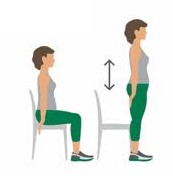
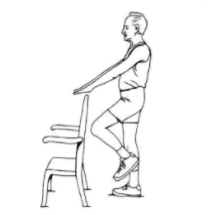
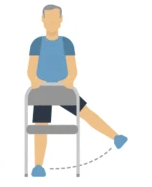
Top home exercises for the elderly:  

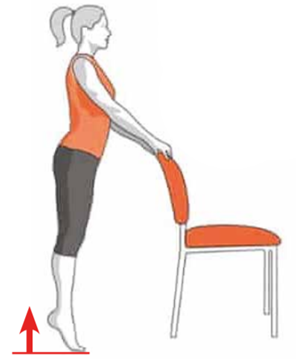
Calf Raises

Sit to Stand

Marching on the spot

Side Leg Raises

Note: The exercises noted above are a generalised prescription only and may not be suitable for your individual needs. For an exercise program tailored to your specific needs please consult with a physiotherapist or exercise physiologist.

  • Kevin Guo – Physiotherapist

Headaches and Neck Pain

Headaches and neck pain are very common complaints that we see in the clinic and they can be debilitating. It is estimated that in Australia 4.9 million people will experience a migraine and up to 7 million will suffer from tension-type headache. According to the World Health Organisation the prevalence of migraines worldwide is around 10-15% per year, with 21 episodes of a migraine being the average per year for one individual. They also report 60% of the population to suffer from tension-type headaches in one year. All migraine sufferers and 60% of tension-type headache sufferers report a reduction in daily life such as ability to work or fulfil social activities. All of these statistics demonstrate how much of a burden on the healthcare system headaches can be. So, what causes headaches and how can we alleviate our symptoms?

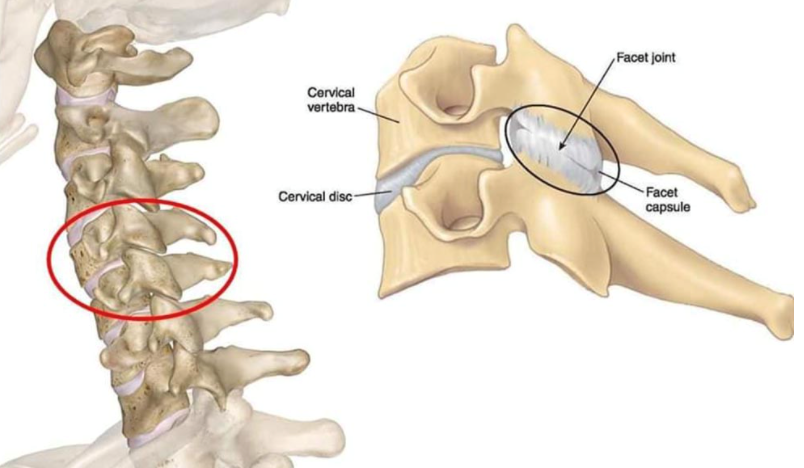
Head and neck anatomy explained (see below):

The above picture shows a facet joint in the neck. This is a joint between two vertebrae in your spine. Facet joints are quite mobile joints and as a result they can be susceptible to inflammation. When this joint becomes inflamed it can cause pain in the neck (especially when pressure is placed on the joint), loss of motion in the neck and muscle spasm. These symptoms combined can lead the individual to experience a headache.

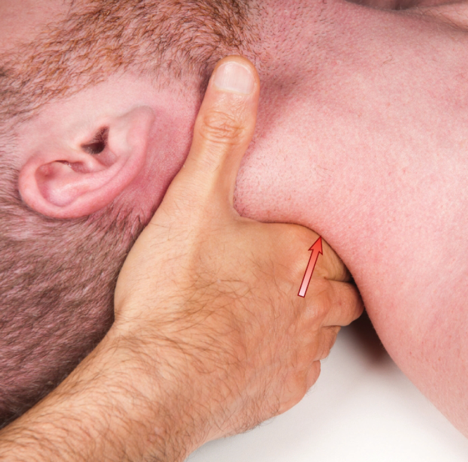
This image shows the muscles we call the sub-occipital muscle group. These muscles sit at the back of the head and attach right into the base of the skull. The area over these muscles is a very common area of pain and discomfort in those suffering from a cervicogenic headache. When these muscles go into a spasm they can also irritate the nerves around them, this can lead to a tension or migraine like headache.

Here are classifications of the 3 most common types of headaches we see as physiotherapists:

  1. Migraine
  • Moderate to severe intensity
  • Can last for 4-72 hours
  • Presents with throbbing or pulsing through the front and around the sides of the head
  • May also experience nausea and visual changes (sensitivity to light, blurred vision)
  1. Tension-type headache
  • Mild to moderate intensity
  • Can last 30 minutes to 7 days
  • Experiences pain on both sides of the head and feels like pressing or tightening
  • Soreness in the shoulder and neck regions is common
  1. Cervicogenic headache
  • Moderate to severe intensity
  • Can last for 1 hour to weeks
  • Exacerbated by neck movement and postures
  • Caused by disorders effecting the spine (bone, disc or soft tissue)

How can you manage your headache?

As a physiotherapist there are many treatments we can use to help alleviate your headache symptoms. To start off with, we would perform a detailed assessment made up of specific questioning and movements/tests to determine what could be contributing to your pain and to classify your headache.

If you are suffering from reduced movement, muscle spasm or pain through the muscles of the neck and shoulders we can provide you with manual therapy or exercise.

Massaging can help relax strained muscles that could be a main contributing factor to your headache. A study performed on patients suffering with tension- type headaches showed that providing a deep smooth gliding movement over the head and neck helped to release the suboccipital muscle group and helped reduce some of their pain.

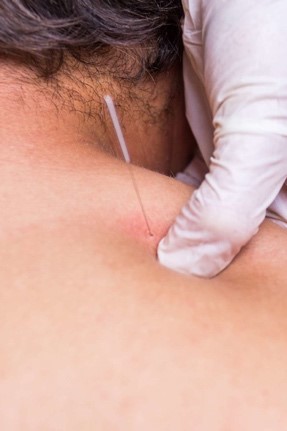
Dry Needling is another form of treatment that can help in neck pain and headaches. Dry needling is a technique where a very fine needle or an acupuncture needle is inserted into the skin and muscle. Your physiotherapist will find a trigger point in your muscle and push the needle in and out of this a couple of times. Sometimes you may experience a twitch in the muscle in response to this, the twitch eases the neural drive to the muscle which is the main culprit of the muscle feeling really tight and sore. Dry needling works to increase blood flow to the area which aids in healing and it has also been shown to assist in muscle regeneration.

Joint mobilisations can help ease some symptoms of neck pain and headaches. As discussed above sometimes the culprit of your pain may be a facet joint. When this is the case the joint can get stiff and sore, joint mobilisations can help to promote easier movement in the joint. By providing joint mobilisations it can help to increase your mobility in the neck and offload some of the structures surrounding to reduce your pain.

Exercise is an integral part to all physiotherapy treatment. In neck pain and headaches, it is really important to restore full range of motion in the neck and also work on strengthening the muscles. To achieve this your physiotherapist would assess your situation and symptoms to determine what exercises would be best suited to you. Some of these could be mobility exercises, gentle stretching and a gradual strengthening program. All of these exercises will work to restore you back to your baseline levels, relieve the symptoms of your headache and neck pain and prevent future recurrence.

  • Brooke Sullivan (Physiotherapist)

Injection Therapies: What are they and will they help me?

We would all love for there to be a magic pill or injection that takes you from agonising pain to instant long-term relief. If this sounds too good to be true it’s probably because it is!

There are a whole raft of different types of injections available to help with pain from a variety of sources in the body. While some may provide good immediate relief, others act via different mechanisms to provide pain relief over a longer term. We can appreciate how hard it would be to navigate this whole other world of medicine if you don’t come from a medical background. Hopefully we can help you understand a bit about what each injection does and what it is used for. Below are the most common ones that we encounter in our line of work.

Please note: It is really important that you consult with your health care practitioner on what is recommended for your individual needs and health status. What is recommended for one person may not be recommended for another.

Cortisone/Corticosteroid Injections

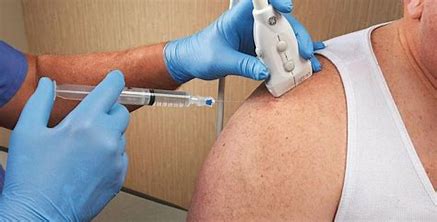
Corticosteroid injections would be the most common type of injection that we see people having who come through our clinic. Cortisone is a potent anti-inflammatory medication and therefore is injected when inflammation appears to be the main source of a patient’s symptoms. Usually, it will be injected by the radiologist under the guidance of ultrasound or CT to ensure the exact location of inflammation is targeted.

Cortisone (when used in the right patient) will usually begin to provide pain relief anywhere from right away to in a few days time. The typical story we hear is;

Mr B had a sore shoulder so the GP referred him for a cortisone injection which helped for a short while but then the pain came back. He then went off to have another one and the same thing happened. It is at this point in time that patients often come to us. The issue here is the cortisone is rightly so knocking off the inflammation but Mr B is doing nothing to address the underlying cause of why he has the inflammation or pain in the first place. Therefore, his symptoms return a short time later.

Ideally, a trial of physiotherapy would occur first before the cortisone injection (except where pain is severe). Quite often physiotherapy alone can address the issue AND prevent the issue from returning.

Unfortunately, cortisone injections are not without their risks and some of these include;

– infection (it’s rare but still a risk)

– cortisone flare (a transient increase in pain lasting 24-48hrs)

– delayed tendon rupture

Of particular note is the risk of delayed tendon rupture. Research has shown that injecting cortisone directly into or around a tendon can weaken and damage the collagen fibres. Thus, corticosteroid is often a last resort in patients with tendinopathy. Patients who have tendinopathy already have a compromised tendon and the decision to trial corticosteroid injection needs to be carefully evaluated against the risks and benefits for this specific group.

Platelet Rich Plasma (PRP)

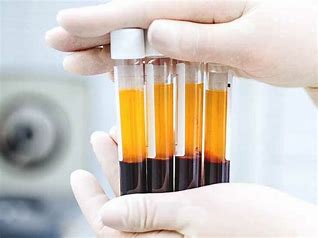
Platelets are a part of the blood that help the blood to clot however they also contain lots of proteins called growth factors. Growth factors play an important role in injury and wound healing and thus PRP has been proposed to help treat musculoskeletal disorders. Blood is extracted and then spun in a centrifuge (a machine that separates blood into its different components). The platelet rich plasma is then extracted and injected back into the area of pain. PRP therefore falls under the category of regenerative medicine.

PRP has been proposed to assist in pain, function and healing of conditions such as;

– tendinopathy

– muscle strains

– ligament sprains

– joint osteoarthritis.

Over the past few years PRP has become far more common practice. However, the injections do come with a hefty price tag and quite often people require a number of injections. In theory PRP sounds really promising BUT some of the latest research is suggesting otherwise.

What does the research say?

– Kearney et al. (2021): There was found to be no difference in the pain scores of 240 people at time intervals of 3 and 6 months with chronic achilles tendinopathy when one group was given a PRP injection vs the other group a sham (placebo) injection. There was also no change to quality of life between groups at 2 weeks, 3 months or 6 months post injection.

– Zhang et al. (2018): PRP injection combined with eccentric training did not improve pain, decrease tendon thickness or doppler activity in people with chronic achilles tendinopathy when compared to a saline injection.

– Scott et al. (2019): When combined with exercise a single injection of PRP was no more effective than a saline (salt water) injection for patella tendinopathy

– Fitzpatrick et al. (2018). Patients with chronic (>4months) of pain associated with gluteal tendinopathy, achieved greater outcomes at 12 weeks following a PRP injection vs a corticosteroid injection.

– Andia, I, et al. (2021). PRP injections administered for knee osteoarthritis can provide symptomatic pain relief and potential benefits to pain modulation. However, clinical response to PRP varies enormously person to person making it difficult to predict the effectiveness. Watch this space!

It would be impossible for me to go through every injury/condition that PRP is used for and list whether it is effective or not effective based off the available evidence we have. As you can see some studies and conditions do not support the use of PRP however others do. It is important to note that some studies compare exercise vs PRP and others PRP vs cortisone. We really need further research that compares PRP vs exercise, PRP vs cortisone, PRP vs rest etc to really determine which is the best option for any given condition.

Stem Cell

Stem cell therapy seems to be the latest buzz word with the rise of it’s use in elite sports people. Whilst stem cell therapy is certainly showing promising results, the cost of such treatments often eliminate them as an option for most patients. Stem cell therapies are proposed to be a suitable treatment in fractures, osteoarthritis, bone defects, osteochondral lesions, osteonecrosis, tendon issues and tendon regeneration. One of the biggest issues currently is that we don’t have high quality evidence to say with certainty if stem cells will be effective and safe.

There is a misconception that because stem cells come from your own body that they must be the safest option. However, we do not have data collected over the long term to know what happens 15-20 years down the track. Additionally, whilst stem cells may be your own tissue, once removed from the body the processes involved in storage and re-administration may change their properties.

Most stem cell treatments in the musculoskeletal world are considered experimental and a singular injection comes at a large cost (I’m talking thousands of dollars).  If this was something you really wanted to consider the best option would be to see a specialist for their opinion on your suitability and to also find out whether there were any clinical trials you are eligible for. Yes this means you are in an experiment, however the costs are usually covered by the trial AND stem cell treatment at present is really experimental at best.

If you are considering any form of injection therapy it is important that you consult with your healthcare provider to determine if this is the right choice for you. You should always be informed of the risks and benefits of each type of treatment prior to making your decision. If you are experiencing pain and have not trialled physiotherapy first you can always call us at Kellyville (9672 6752) or Carlingford (9871 2022) to book an appointment.

  • Kimberley Cochrane – Physiotherapist (Bachelor of Physiotherapy, First Class Honours; Graduate Certificate Sports Physiotherapy)

Why do my shins hurt with running?

With the recent lockdown in Sydney everyone has taken up walking or running. For some, this is extremely different to their normal fitness regime which includes a lot of weight training. While keeping fit and healthy is super important at this time, shin pain may become an issue for those who dive in too quickly to a new style of exercise.

Image result for runnning

Shin region pain is most common in runners and sports that require running on a hard surface. Most people who come to us with this problem have put up with mild pain for quite some time. Often you may feel like you are able to persevere, but is this a good option?

The most common cause of shin pain is Medial Tibial Stress Syndrome (MTSS) or ‘shin splints’ as they are commonly known. Essentially shin splints are a repetitive-stress injury to the muscle and bone associated with the tibia. Usually, you will have pain longitudinally that is 5cm or longer down the bone and located closer to the ankle than the knee. At present shin splints fall into a spectrum of bones stress injuries however there is also muscle and tendon contributions to the pain.

Image result for shin pain

What Causes Shin Splints?

The cause of shin splints is usually multifactorial and typically includes;

  • Training Errors

– doing too much too soon

– wearing poor or ill-fitting shoes

– always running on hard surfaces

– sudden change in surfaces (eg playing on a harder soccer field)

– poorly structured training that doesn’t allow adequate rest and recovery

  • Biomechanical Abnormalities

– reduced ankle mobility

– over pronation of the foot (foot rolling in)

– calf muscle weakness

– poor intrinsic foot muscle function

Should I see a physiotherapist?

YES! In most people shin splints are mild and once managed appropriately you will be able to return to all exercise pain free and without further complications. However, given this injury does fall on the bone stress spectrum, some people may further progress to tibial stress fractures. This injury is quite painful and will prohibit you from any running and sport for 6-12 weeks. Ideally, you should see your physiotherapist sooner rather than later so that you do not end up in this situation.

What can be done to help with this problem?

Assessment by a physiotherapist will focus on why you have developed this problem in the first place. Once this has been established, a tailored rehabilitation program will be put together to help you get back to normal as soon as possible. Rehabilitation will firstly focus on settling the pain and inflammation, followed by strengthening/proprioception/mobility exercises (whichever you need or a combination) and then a graded return to running/sport. Everyone should be treated on an individual basis as what causes one person’s pain doesn’t cause another’s.

Some people may be able to continue some modified training whilst they are recovering whilst others may have to completely change their training. This is something your physiotherapist can help guide you on.

Image result for physiotherapy for shin massage

What will my recovery time be?

It really just depends! There are so many variables to this question and the answer differs person to person. Typically speaking people with mild symptoms that have only been present for a short duration will tend to recover in 2-4 weeks. However, this does depend on compliance to treatment, whether they have a competition coming up and individual responses to treatment. The biggest thing is avoiding progression to a stress fracture which may take up to 12 weeks to recover from.

If you are experiencing shin pain don’t put off getting it seen to. All of our physiotherapists regularly treat this condition so contact our Carlingford or Kellyville clinic today to make an appointment. You can also book online via our website.

The great debate – To ice or not to ice?

I’m sure you have all heard of RICER. That magical thing we do after we roll our ankle on the sporting field, the pièce de resistance to rehabilitation, the best form of management of acute injuries. What if I told you the world of sports medicine is changing, and RICER has been replaced?

RICER has been the go-to form of management for sporting injuries since 1978. The acronym stands;

Rest

Ice

Compression

Elevate

Referral

This method of injury treatment came about with the intent to minimise inflammation and speed up healing and recovery. However, evidence and research are always changing and in recent years this acronym has undergone some change also. This latest change is PEACE & LOVE. So what exactly are these changes and what do they mean for injury management?

Firstly PEACE & LOVE works to target not only our acute management of injury but also the sub-acute period after inflammation has settled.1 By targeting an injury in the different phases of healing it will provide better care to an individual and promotes more beneficial tissue healing.

PEACE looks predominately at the acute management of an injury. Let’s dive in to what this acronym stands for and how we can best utilise the recommendations.

Protect:

The first step in injury management is to protect the injured area. It is advised that you should unload or reduce movement for 1-3 days after the initial injury. This helps to minimise bleeding, reduce aggravation of the injury and reduces distention of injured fibres.1

Elevate:

This step has some weak evidence surrounding the benefits of elevation however there is also low risk to performing this step. Due to the low risk-benefit ratio it has still been included in injury management.1 This step involves placing the injured limb higher than the level of the heart in attempts to promote fluid draining out of the injured tissue.

Avoid anti-inflammatory modalities:

The third step may be one of the more controversial steps to have been changed. Avoiding anti-inflammatory modalities includes the use of anti-inflammatory medication (eg Voltaren and Nurofen) and the use of ice. It has been shown that the inflammation released by the body helps repair damage to soft tissue. This occurs through allowing the body to take its natural course of healing. By inhibiting inflammation you could potentially be causing negative long-term effects. When we injure ourselves the body sends out inflammatory cells. This signal then sparks the release of the hormone growth factor, whose sole purpose is to start healing through killing damaged tissue.2 A lot of people report that ice makes their injury feel better through its numbing effect. But ice has little effect on the muscles effected as applying ice to the skin doesn’t change the temperature of muscles.2

Compression:

Compression involves the use of taping or bandages to apply pressure to the injured area. This reduces the bruising and swelling. A study actually showed that the quality of life of the patient and the level of swelling experienced was better in patients who applied compression following an ankle sprain.

Education:

Education on active recovery is a very important part of injury management. Using only passive treatments such as acupuncture, massage and electrotherapy may be counterproductive in the long term when compared to an active approach.1 Facilitating thoughts that something needs to be fixed can cause a therapy dependent behaviour in an individual which can in turn lead to over-treatment. To combat this your physiotherapist should work with you to set realistic goals and expectations about recovery.

LOVE starts to work more into the sub-acute timing of recovery.

Load:

As mentioned above, to achieve an active approach we need to use movement and exercise. Mechanical stress or loading should be done as early as symptoms will allow. Through loading without exacerbating pain the body is pushed along in terms of repairing, remodelling and building strength in the injured tissue. By achieving these things normal activities of the patient can be returned to sooner rather than later.

Optimism:

When patients approach their injuries with optimism and a positive outlook, they tend to have better outcomes and prognosis.1 A study showed that the variance of symptoms between patients with ankle sprains could be attributed to their beliefs and emotions surrounding the injury.3

Vascularisation:

Blood flow is a vital part of the bodies healing process. It helps deliver nutrients and oxygen to the tissues in the body. As this is a natural part of healing it makes sense to want to promote blood flow to injured areas. Pain free aerobic exercise should be started as early as possible after injury to increase the blood flow. Through doing this you will improve your function and it may even help you return to sport quicker. It is also a really nice way to maintain your physical fitness while you’re out of the game.

Exercise:

Exercise is one of the best things you can do to get back to pre-injury levels and back to sport. Exercises are there to help increase your mobility, strength, balance, proprioception and muscle control after an injury.4 Working closely with your physiotherapist will allow correct exercise prescription for your individual symptoms and sporting demands. Through making sure your body is able to handle the specific demands of your sport and that you are back to pre-injury fitness and strength it can help reduce the risk of recurrent injuries.

So next time you hurt yourself push RICER to the side, cause sometimes all our body needs is a little PEACE & LOVE.

For any enquiries about injury management contact Carlingford (9871 2022) or Kellyville (9672 6752) clinics to speak to our friendly staff.

References:

  1. Dubois B, Esculier J-F. Soft tissue injuries simpky need PEACE & LOVE. Br J Sports Med 2020;54:72–73.
  2. Wood, Z. To ice or not to ice an injury? Physionetwork. 2020.
  3. Briet JP, Houwert RM, Hageman M, et al. Factors associated with pain intensity and physical limitations after lateral ankle sprains. Injury 2016;47:2565–9.
  4. Vuurberg G, Hoorntje A, Wink LM, et al. Diagnosis, treatment and prevention of ankle sprains: update of an evidence-based clinical guideline. Br J Sports Med 2018;52:956.
  • Brooke Sullivan (Bachelor Exercise and Sport Management; Masters of Physiotherapy)

Fix Your Breathing to Fix Your Low Back Pain

Here is a trick you might not know about.

A trick that can help you manage your low back pain and muscle stiffness.

Want to know what it is?………..

Here We Go

In the world of low back pain sufferers, there are so many causes/triggers that could be contributing to your pain.

Believe it or not, one such cause is BREATHING INCORRECTLY (i.e. dysfunctional breathing patterns). Funny enough, there is more to breathing then just breathing in and breathing out, and as it’s something we all do up to 20,000 times a day, don’t you think it would be important to be doing this correctly?

I’m going to go out on a limb here and simply say chances are, you’ve never spent the time or focus fine-tuning a fundamental skill that is literally keeping you alive and you are most likely butchering more than 20,000 times per day.

Don’t you think its time then to learn how to breath correctly?

Low Back Pain and Breathing

The relationship between low back pain and poor breathing habits is highly documented. To put a long story short, think of it this way:

improve your breathing patterns –> improves oxygenation to your lower back –> improved oxygenation to the lower back helps to reduce muscle tone/stiffness –> reduced muscle tone and stiffness can thus mean less pain.

But not all breathing is created equally. And the demands of breathing vary depending on the activity at hand. To truly unlock your body’s potential, you must first learn to breathe well by correcting any dysfunctional breathing patterns you may have.

There are numerous breathing techniques we use in our clinic with our patients.

Today we share one of those.

A breathing technique that you will literally be able to instantaneously see notable results from.

Remember, for some patients, fixing low back pain can be as simple as taking the right type of breath.

What is this breathing technique?

One of the most effective corrective breathing exercises that I have seen over the last 15 years working as a physiotherapist, that has literally helped thousands of our patients, is called the Crocodile Breathing Technique (CBT).

Simply put, Crocodile breathing involves taking diaphragmatic breaths while lying face-down. Don’t be fooled, it’s not easy. We use the ground as a tactile cue from the face down position. Why face down? This strategy is a game changer that’ll help you really “feel” what it is to properly expand the belly through 360-degrees. This position is also ideal to keep secondary respiratory muscles out of the breathing process (interesting note: people who are more dominate in their secondary respiratory muscles usually suffer from issues such as chronic headaches and neck pain).

When To Use This Technique:

We use the crocodile breathing technique early on with our low back pain patients who truly struggle with disassociating compensatory chest breathing from deep diaphragmatic belly breathing.

Breathing is a motor skill, and if we want to achieve a permanent change of motor learning in our breathing, then breathing practice must be implemented to re-learn this skill.

Practicing 1-3 minutes of Crocodile Breathing per day, is usually recommended to start chipping away at old poor habits and ingraining superior new ones.

How To Execute The Crocodile Breath:

Here are some major setup details you need to be focusing on to get the most out of the Crocodile Breath:

Set-Up: Begin face down, so that your stomach is on the floor and place an ankle weight on the upper back and the lower back.  Place your forehead on your hands, both palms down, one covering the other. Make sure the chest and arms are relaxed, and you are as “flat” as you can get; your neck should be relaxed and comfortable.  You should feel that you are on your chest not on the edge of your ribs. Keep your legs straight and your toes pointed down. Relax all aspects of the body into this central position.

Make sure you have definitely placed your forehead on your hands, for some this can feel a little odd and unnatural, but the reasoning behind propping your head on your hands is based on two reasons. First, the head and neck need to remain in a neutral position (with the head NOT turning to one side) to clearly open up the airway. Secondly, with the hands and arms elevated, the secondary respiratory muscles, mainly the scalenes, sternocledomastoid (SCM), and the upper traps are placed into a more relaxed position away from stretch and tension.

Once you are ready to go and positioned correctly, the focus will be placed on the execution and the quality of the breath reps.

We recommend the following tempo

Tempo of Breath: Inhale 4-6 seconds/ Hold 2-4 Seconds / Exhale 4-6 Seconds

The above tempo is important for the proper execution of the drill, but the true focus firstly needs to be placed on the expansion of the belly into the floor. Since the belly is in direct contact with the floor, it is the perfect setup for breathing INTO the floor, expanding through the diaphragm authentically.

To take this concept one step further, we are also wanting 360-degree expansion, meaning that not only are we breathing into the belly against the floor, but expanding our breathe through our lower back along with the sides of the torso expanding. To get a feel for this type of expansion pattern, you can use some small ankle weights placed on your lower back and upper back to push up against during the breath.

Once you have effectively learnt/mastered the explained breathing expansion pattern above, the focus will shift to the tempo of the breath itself. While the above tempo prescriptions of (4-6/2-4/4-6) aren’t the be all or end all/set in stone, we do want to ensure that the breathing out component is a little longer than the breathing in component to optimize gaseous exchange and slow down the whole breathing process to avoid compensations. Also, make sure to pause and hold the breath for a split second at the top to truly experience the feeling of a 360-degree expansion, as that is the corrective goal.

Goodluck and Get Breathing!!!

If you would like to watch our video on Crocodile breathing please click the link below. For more content like this please follow us on instagram @ppsphysiotherapy

https://www.instagram.com/p/CJFY7qHAhwm/?igshid=axijy5dlvyic

  • Grant Burton – Physiotherapist

Tennis Elbow

Tennis elbow is a common complaint seen in the clinic. However, despite its name only 5 out of 100 people actually develop tennis elbow from racquet sports. People suffering from tennis elbow are usually aged between 35-50 years however it can happen at all ages. Exercise is one of the best treatments for tennis elbow, if done correctly and consistently. The average episode of tennis elbow is between six months to two years.

What is it?

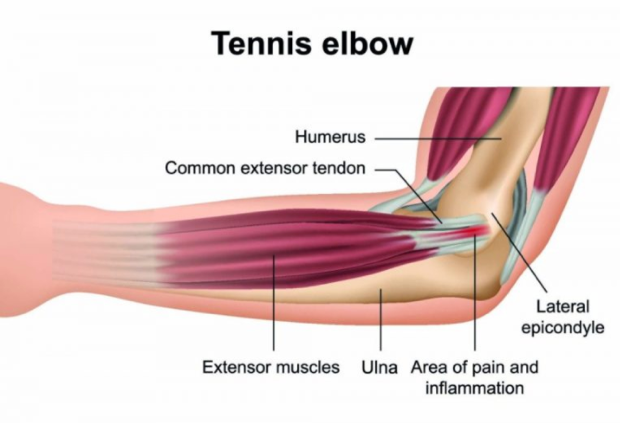
Tennis elbow is an injury involving the common extensor muscle in the forearm. It causes pain on the outside of the elbow. Tennis elbow is inflammation or in some cases micro tearing of the tendon or muscle that attaches to the outside of the elbow. These changes in the tendon are known as a tendinopathy.

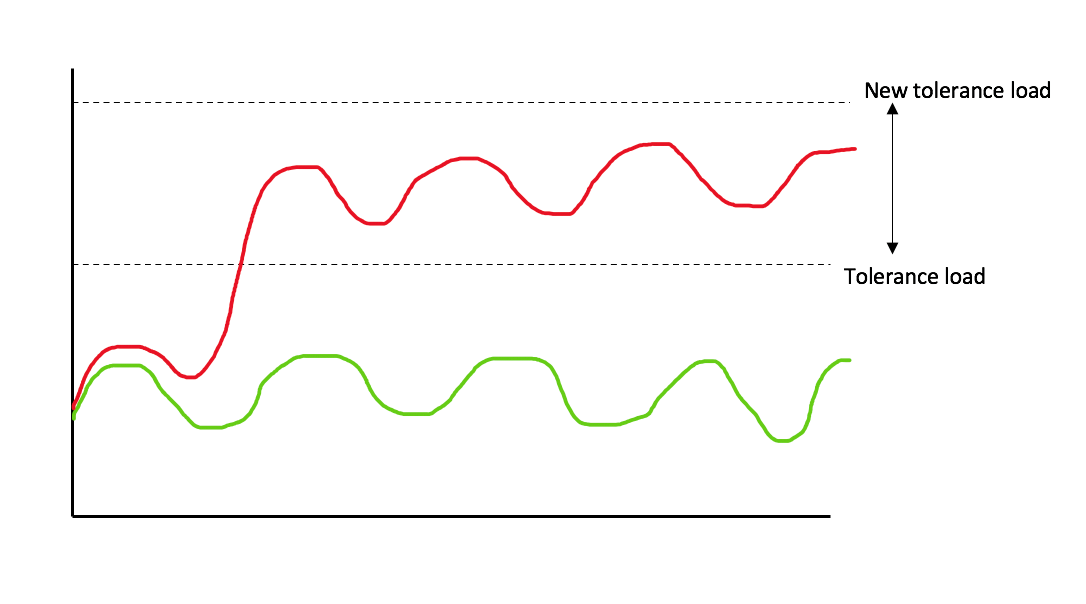
The picture above shows the changes that occur when you are experiencing tennis elbow. The bottom dotted line is our tolerance load for the tendon. Our tendons are happy to move up and down underneath this tolerance load (green line). When we stay below the tolerance load, we do not experience any pain or symptoms related to a tendinopathy. However, if we overuse a tendon and cause repetitive micro traumas to the muscle and tendon unit, the load placed on the tendon shoots up past our tolerance load (red line). Once we are functioning above what out tendon can tolerate you will begin to experience the symptoms of tennis elbow. The way to improve your symptoms is to increase your tolerance line to the top dotted line, this is can be achieved through physiotherapy treatment.

Causes:

As it is an overuse injury tennis elbow is caused by repetitive tasks or movements. This repetitive strain can come from:

  • Weight-lifting
  • Cooking
  • Racquet sports (tennis, badminton, squash)
  • Throwing sports (javelin, discus, bowling)
  • Activities that involve fine motor e.g. typing, painting, sewing
  • Using hand tools e.g. gardening tools, scissors, screwdrivers

Signs and symptoms:

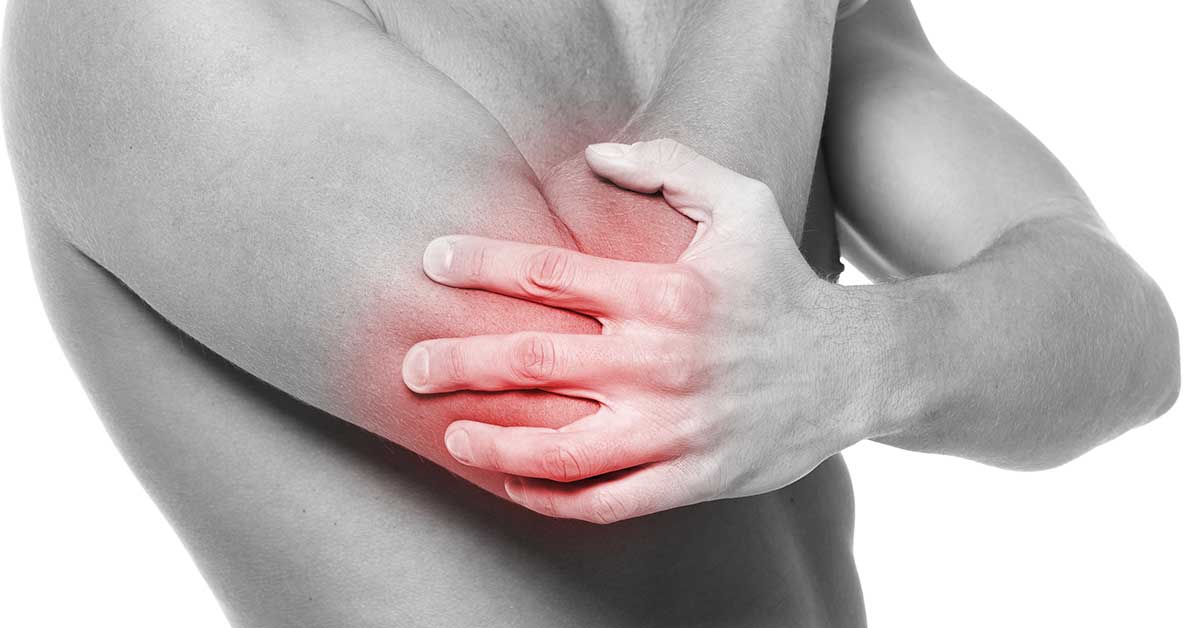
  • Pain in the elbow region
  • Painful to touch outside of elbow or may hurt knocking it on objects
  • Pain when gripping objects such as racquets, jars, opening doors
  • Pain when shaking hands
  • May feel weak when gripping objects such as a coffee cup

Treatment options:

  1. Physiotherapy:

Physiotherapy treatment for tennis elbow can involve a variety of different things. The main treatment options that could be provided consist of exercises, dry needling and soft tissue massage. As mentioned above exercise is one of the best treatment options that can be provided to a patient suffering tennis elbow. Exercise is the most effective way to increase our tolerance to load. Just like if you go to the gym and lift weights you get stronger as your muscles and tendons adapt to the loads placed on them. At your first consultation with your physiotherapist, they will determine an appropriate loading program for you to perform.

Dry needling is another treatment option that can be provided. Dry needling is where a very fine needle or an acupuncture needle is inserted into the skin and muscle. Your physiotherapist will find a trigger point in your muscle and push the needle in and out of this a couple of times. Sometimes you may experience a twitch in the muscle in response to this, the twitch eases the neural drive to the muscle which is the main culprit of the muscle feeling really tight and sore. Dry needling works to increase blood flow to the area which aids in healing and it has also been shown to assist in muscle regeneration.

Soft tissue massage can be helpful for reducing pain in the short term. It can provide an analgesic effect to the area. If only soft tissue massage was performed your tennis elbow would not improve, it is a tool we use to help manage pain for you to complete your prescribed exercises more comfortably. This in conjunction with exercises is an effective way to treat tennis elbow.

  1. Corticosteroid injection

A corticosteroid injection is a powerful anti-inflammatory medication that can offer fast relief for inflamed muscles, tendons and bursa’s. The main purpose is inflammation reduction, this can ease some pain felt if the pain is coming from inflammation. Studies show that corticosteroid injections can have short term benefit in terms of pain relief but at follow up appointments it actually had a negative overall effective, specifically on grip strength.1 In another study the corticosteroid injection group had the highest recurrence with 72% of people deteriorating at three or six weeks.2

  1. Heat vs. ice

The general consensus is that ice is helpful in relieving pain and symptoms of inflammation in the short term however, this may not be the case. Ice can cause a numbing sensation from cooling the skins temperature but applying topical ice has little effect on the muscle or tendon temperature which is the root cause of pain in tennis elbow patients. It has recently been shown that ice can interfere with the body’s natural healing process and can prevent the body releasing hormones that aid in healing by killing off damaged tissue.3 All this recent research points to opt out on ice use for inflammation.

The application of heat causes vasodilation, where your blood vessels increase in size. This promotes blood flow to the area. Through increasing blood flow to the area you are promoting healing as the oxygen and nutrients carried by the blood are vital in successful healing of tissues. Heat can also help with muscle relaxation and may provide some pain relief.

If you think you have a tennis elbow or are experiencing elbow pain book an appointment today to see one of our friendly physiotherapists.

  • Brooke Sullivan – Physiotherapist (Bachelor of Sport and Exercise Management, Masters of Physiotherapy)

References:

  1. Olaussen, H. (2013). Treating lateral epicondylitis with corticosteroid injections or non-electrotherapeutical physiotherapy: a systematic review. BMJ Open, 3(10), e003564–e003564. https://doi.org/10.1136/bmjopen-2013-003564
  2. Bisset, B. (2006). Mobilisation with movement and exercise, corticosteroid injection, or wait and see for tennis elbow: randomised trial. BMJ, 333(7575), 939–941. https://doi.org/10.1136/bmj.38961.584653.AE
  3. Wood, Z. (2020). To ice or not to ice and injury?. Physio Network. https://www.physio-network.com/blog/ice-for-acute-injury/

4 Low Back Pain Exercises to Strengthen Your Lower Back and Relieve Low Back Pain in Minutes

Low back pain is the worst and unfortunately, it is way too common. 80 percent of Australians experience back pain at some point in their lifetime.

As a Physiotherapist for 15 years, it has become very apparent to me, that after dealing with the many thoughts of patients over the years, there is this widely accepted belief amongst the general population that when you have low back pain, you should AVOID exercising at all costs.

Well, this widely accepted belief is WRONG, and this method of thinking might actually be making things worse for you.

For a lot of people, it might seem common sense to avoid exercise-related pain by stopping certain movements altogether. But when we avoid exercise and movement this can lead to a vicious cycle of inactivity, causing weaker muscles and even more soreness/low back pain over time.

To break this vicious cycle, you have to train, you have to get moving and you have to keep moving, even if it hurt’s a little….

pro physio tip: we respect pain and acknowledge it at all times. – we do not ignore it. We listen to it and we follow these guidelines with our low back pain patients – keep pain less then 3/10 on average. 10 would be a broken leg and 2 would be a mild headache.

So, to put very simply – ‘Exercising is one of the best things you can do for the lower back’.

That last point is so important I will say it again “Exercising is one of the best things you can do for eliminating & relieving lower back pain”.

Today we share with you 4 simple exercises designed to help relieve lower back pain in minutes. This full body routine is designed to build strength in your lower back, and eventually help you to progress to harder exercises over time.

The Exercises

  1. Bird Dog

What it Does: helps build control and strength in the lower back and as an added bonus it also helps strengthen the glutes and shoulder muscles, which when strong, help lessen the load on your lower back.

How to do it: Begin on all fours. Wrists in line with shoulders, knees in line with hips. Brace your core and lift your opposite arm and leg off the floor until they are level with your torso/parallel to the floor. Hold their briefly (2-3 seconds), before returning to the starting position. Repeat with the opposite arm and leg. Try to avoid overarching your lower back and swaying side to side.

2. Deadbug

What it Does: strengthens your core and with the pelvis tucked can help to relieve lower back tension.

How to do it: Lie on your back, with your knees bent and feet flat on the floor. Press your lower back into the floor to help activate your core muscles. Lift both knees until your knees are in line with your hip and shins are parallel to the floor. Extend both arms toward the ceiling, keeping wrists in line with shoulders. Keeping your lower back pressed into the floor, slowly lower one arm backward and at the same time straighten out your opposite leg. Only as far as you can without allowing your lower back to lift off the floor. Return to the start position and repeat with the opposite arm and leg.

3. Toes-out Dumbbell Deadlift

What it Does: strengthens your glutes, hamstrings, and lower back.

How to do it: Standing tall with feet shoulder width apart and toes angled outwards. Hold two dumbbells in front of your thighs, with your palms facing your body and arms straight. Bend your knees slightly, sit back into your hips and hinge at the waist to slowly lower the weights. Let the weights skim against your thighs (keeping the weights close to your legs helps to decrease the amount of stress on your lower back during this movement) and stop when you feel a slight pull in your hamstrings. Return to the standing position and squeeze your glutes at the top.

4. Goblet Stationary Lunge

What it Does: strengthens your leg muscles and core muscles. This variation is optimal when dealing with low back pain for a couple of reasons. Firstly this lunge variation utilises a static feet position, where as some lunges involve moving your feet between reps (which places stress on your back as you try to stabilize through various movement positions). Holding weights in front of your body also helps to activate your core, and tends to be more comfortable for low back pain sufferers then resting weights on your shoulders (as in squats or barbell lunges)

How to do it: Standing tall with feet shoulder width apart, hold a pair of dumbbells against your chest with both hands in a goblet position. Slowly take a big step back with one foot and lower your back knee to just a few centimetres off the floor. Your legs should both be at about 90 degrees. Make sure your front knee is directly above and inline with your front ankle. Try to emphasise more weight through the front leg, then drive through the midfoot region of your front foot and push yourself straight back up to the starting position with both legs still extended. Keeping your feet where they are, bend your front knee to drop into your next rep. Perform all reps on one side, then switch to your other leg and repeat the process.

  • Grant Burton – Physiotherapist

8 Lower Back Pain Myths Debunked

Some quick facts;

– at any one time in Australia a quarter of all Australian adults have low back pain 1

– between 10 – 40% of people who have low back pain will end up with persistent or chronic pain 1

– 70-90% of Australians will suffer from low back pain in their lifetime 2

– low back pain at least ‘moderately’ interfered with daily activities for 2 in 5 people with back problems 2

– in 2017 – 2018 there were 181,000 hospital admission for low back pain in Australia 2

  1. Rest will make my back better

Complete rest in the form of bed rest may in fact make you feel worse and may make your recovery longer. We advocate for people to stay gently active within their pain limits. It is ok and normal to have some pain and you may find the more you get going the less pain you have. In lower back pain, your pain can be out of proportion to the tissue trauma (if any) that has occurred. Think about a paper cut on your finger, they hurt like mad even with the slightest movement but the cut itself is so small and doesn’t worsen even if you knocked it. This can be the case with low back pain as well, in fact you may have no tissue trauma but the pain can be coming from all the muscle spasm and your worrying thoughts contributing to the sensitivity and pain you feel. Encouraging regular and gentle active movement will gradually help to alleviate the pain.

However, if in doubt it is always best you seek guidance from a physiotherapist who can make recommendations specific to you. In rare cases bed rest may be recommended but this is likely due to things like fracture, post-surgical or other medical conditions.

  1. Movement will injure my back more

As the saying goes “Motion is Lotion”!! With the exception of people who have fractures or other serious pathology the sooner you get moving the better. This goes for both those with acute low back pain and chronic low back pain. If you have acute low back pain and your physiotherapist or doctor has excluded any serious pathology getting moving as soon as possible is the best option. You may have some pain with movement for the first few days but it doesn’t mean you are doing harm. You may need to modify your usual activity and work initially and then gradually increase your activities as the pain settles.

We place a great focus on FUNCTION and not pain in people with both acute and chronic low back pain. We know that as your function starts to increase your pain will also decrease. Our clinic frequently consults with people with many year (I’m talking 10-20 year) history’s of low back pain. Despite the long duration of pain we are still able to help you! A common theme amongst these people is saying things like;

“I have stopped carrying the grocery bags inside and instead will unpack each item individually so I don’t have to carry a bag”

“I don’t bend down to pick things up off the floor as bending will injure my back”

“I don’t twist my back as I will be flared up for weeks”

These people have lost faith in their back as being a strong and resilient structure designed to bend and move. Much like my mention of function above, these people have found that as they have restricted their function/movement their pain has worsened. They end up coming to see us when they have altered their lives so much it’s taking a hefty toll on them and their families. We still focus on improving function with these people however it can be a long road to getting back to all activities.

  1. You must have a scan before you come to physiotherapy

For most people it is not necessary to have any imaging performed prior to attending your physiotherapy consultation. Imaging is indicated for people who have been in high force accidents where fracture or serious injury is suspected or where other more serious conditions are being considered. However, this category only accounts for 1-2% 1 of all lower back pain.

In most instances, your physiotherapist will be able to make a diagnosis and implement a highly effective treatment plan based on your history and findings from our assessment. If your physiotherapist is concerned about more serious pathology and for some reason would like imaging they will discuss this with you. In a 2018 study, it was found 59% of imaging for low back pain was unnecessary and only contributed to financial burden, increased stress and anxiety and costs to the health care system.

  1. My scan will tell you everything you need to know about my back

There are many different types of imaging available that vary in quality, diagnostic capability, cost and radiation exposure. It is important to remember that medical imaging (especially MRI) will go through with a fine-tooth comb and identify every single change in that area of the body. For the most part a lot of these ‘abnormal’ findings are actually quite normal and are just incidental findings. That is, if we hadn’t imaged you we wouldn’t have known and a lot of these findings are likely not causing you any problems. For example; If you take a group of people the same age as you (eg 40 years) and add 10 to your age (40+10 = 50), 50% of people in your age group will have a lumbar disc pathology on imaging that is not causing them any pain or issues. They are walking around your suburb pain free! Unwarranted imaging can make patients worse contributing to poorer health outcomes, greater disability and higher work absence.1

Quick Fact: Only 8-15% of people will low back pain will have a pathoanatomical diagnosis.1 So before you pay big bucks for your next MRI see your physio first!

Essentially, you are not your imaging study! A physiotherapist will not pick up your scan and straight away treat you based off a 2D piece of film. We need to find the root cause of your issue and this involves a physical assessment to understand how your body moves, any muscle length or strength deficits, movement patterns etc. This assessment is specific to you and your noted problems. As physiotherapists we place great emphasis on function that is how you move, the things you can do and the things you have difficulty doing. Your scan cannot tell us this information.

  1. Bending, lifting and twisting are bad for my back

The spinal column is a designed to allow us to move, be flexible and be resilient. Our back is designed to have the flexibility to bend forward and the rigidity to stabilise while we lift. These are all normal functions of our spinal column. Sure, while you have some acute low back pain we wouldn’t advocate you repeatedly bend forward as this could be a sensitised movement for the lower back and the nervous system (our pain and alarm system). However, you should aim to return to doing these normal movements as soon as possible. While you alter your activity in the early phases it is vital you stay gently active and moving even if there is some discomfort.

  1. Massage, heat and manipulation will help my 10 years of back pain

Massage, heat and manipulation are all very passive treatment interventions. That is, someone else does it for you and they don’t involve any active movement. We know that the best management we can offer you when you have chronic low back pain is exercise based. In fact, passive interventions have been shown to have minimal effect on self-reported pain and function. As previously mentioned, we place a big focus on function as we know improving your function will decrease your pain. Passive interventions will not do much towards improving your function. For example, if you came in and said to us “I’m sick of having back pain and I want to be able to start back at the gym”. We know that after 10 years it is highly unlikely to be any ongoing tissue trauma and the pain is rather from sensitised tissue and movements. If the physio spends 15 mins providing massage followed by manipulation and heat you are not doing anything towards your very active goal of going back to the gym. This is like someone saying “I want to lose 10kgs” but I’m not actively going to stop eating McDonalds, it doesn’t make sense. Sure massage feels nice and all but you need to be an active participant in your rehab and the rehab plan.

  1. Once I’ve injured my back I need to be extremely careful how I move and what I do

In the initial phases of acute low back pain you will likely experience some discomfort with movement. It is important to stay as active as possible and this may mean modifying (not stopping) your usual activities. When we provide rehabilitation to our low back pain patients our main goal is to return them to their pre-injury level of function, if not better. Physiotherapy focuses on restoring normal movement mechanics and allowing you to undertake all tasks comfortably and without hesitation or concern. After rehabilitation you shouldn’t feel as though you need to guard your movements or limit your lifting/bending/twisting. Of course, we recommend that you always lift with good technique and avoid prolonged sitting however this is all preventative and what everyone, low back pain or not, should be doing.  The sooner you seek treatment the better as this avoids you entering the chronic pain cycle which can slowly reduce your function.

  1. My disc has ‘slipped’ or something is ‘out of place’

I’m here to tell you that discs don’t slip…sorry but they don’t! Discs are attached securely to the vertebrate above and below and they do not slip out. When people use this terminology they are likely referring to a disc pathology such as a disc bulge, herniation or protrusion. Fear not however as discs have been shown to heal really well with conservative management. This even includes disc herniations (where the jelly like substance is extruded out of the disc). Studies have shown that spontaneous resorption of disc herniations occur in 66% of cases3 This means, the disc material spontaneously moves back inside the disc and the disc heals. Amazing right!

The only time something is out of place is when you have a dislocation. If you have a dislocation somewhere along the spinal column you will likely be in hospital and not walking around the town. Even when a manipulation is performed on a patient (commonly known as ‘joint cracking’) there are only millimetres of movement occurring.

If you or someone you know is suffering low back pain, you don’t have to put up with it. Get in touch with our friendly team at Carlingford (9871 2022) or Kellyville (9672 6752) today! If you are unsure how to best manage your low back pain it is best to seek individualised advice from a medical professional.

  • Kimberley Cochrane – Bachelor of Physiotherapy (First Class Hons), Graduate Certificate Sports Physiotherapy
  1. O’Sullivan, P & Lin, I. (2014). Acute Low back pain, beyond drug therapies. Pain therapies, 1(1), pg8-13
  2. Australian Institute of Health and Welfare. (2020). Back Problems. www.aihw.gov.au
  3. Zhong, M., Liu, J., Jiang, H., Mo, W., Yu, P., Li, X., Xue, R. (2017). Incidence of Spontaneous Resorption of Lumbar Disc Herniation: A Meta Analysis. Pain Physician, 20(1), E45-E52