The Do’s and Dont’s of Back Pain

Whether it is a dull ache or strong shooting pain, back pain can be a debilitating condition. Here are a few Do’s and Don’ts when it comes to caring for your back and relieving back pain.

The DO’s

DO be mindful of your posture. Poor posture can affect your overall health and wellbeing in a number of ways. When your body is in a slouched position, stress is placed on certain bones, muscles, and ligaments. This leads to a number of issues like muscle imbalances weaker bones, back pain and osteoporosis.

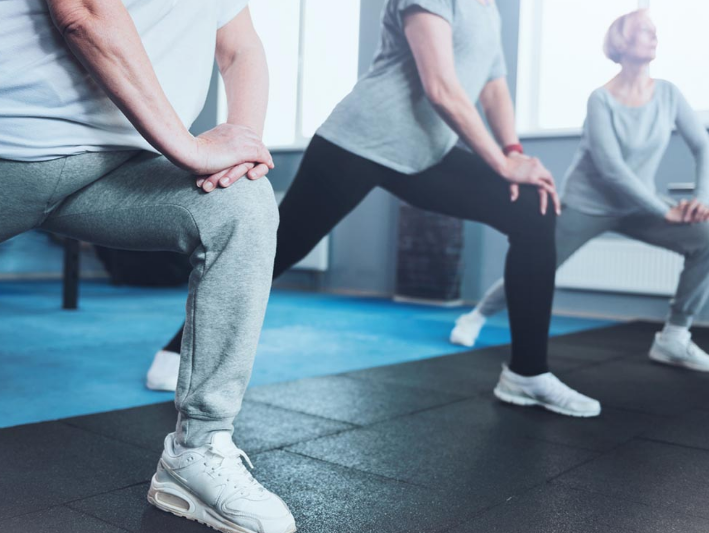
DO regular stretching. Incorporating a daily stretching routine to strengthen the spine, loosen muscles, and increase flexibility can prevent back problems and resolve back pain. A few of the most common culprits contributing to back pain are the hamstrings and hip flexors. Speak to your physiotherapist and they will be able to set you up with a program tailored to your needs.

DO strengthen your core muscles. Developing strong abdominal muscles may actually help prevent back pain and teach you proper spinal alignment. Some of our favourites are the deadbug, plank holds and the pallof press.

DO keep hydrated. Water is an important component of your spinal discs – the shock absorbers that sit between each vertebra. Maintaining proper hydration will ensure that your spinal discs and overall spine stay healthy and keep your back protected.

DO see a physiotherapist if you are experiencing any pain or discomfort. Our friendly staff will assist you in addressing any pain or discomfort. Just give us a call on 9672 6752 (Kellyville) or 9871 2022 (Carlingford) to book an appointment.

The DONT’s

DON’T sit down for long periods of time. This is going to cause shortening of your hip flexors and rounding of your shoulders. If you have a desk job, try to get up and walk around for at least 20 minutes every few hours.

DON’T sleep on your stomach. This position puts the most amount of pressure on your neck and can cause constant head and neck pain during the day. Try to sleep on your side, with a pillow between your knees with legs slightly bent.

DON’T look down all the time! As a society we are increasingly looking at our phones and devices all the time. This constant looking down results in poor posture and pain in the neck, back and shoulders.

DON’T lay in bed for days waiting for pain to resolve. A common misconception is that rest will make painful backs better – this is not the case. They often require movement.

DON’T ignore pain. Pain is our body telling us it is unhappy. Head to your physiotherapist ASAP who can accurately diagnose your condition and get you feeling better.

Treating the Degenerative Knee

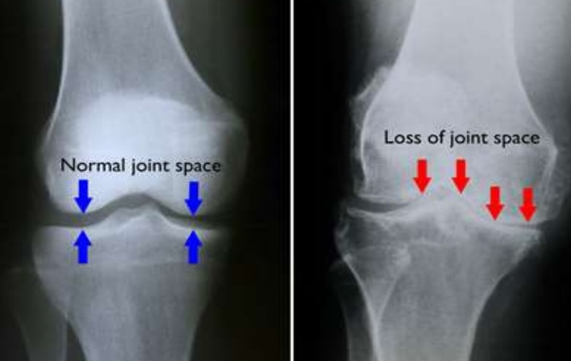
Knee osteoarthritis is one of the leading causes of disability and is becoming more and more common. In knee osteoarthritis, the cartilage between your knees starts to wear away and the distance between the bones in your knees starts to decrease. The intensity of the pain and its progression will vary between individuals, however the pain often gets more severe and disabling over time if not correctly treated. Many sufferers immediately seek out surgical treatment to replace the “worn out” knee but recent research has shown this may not be the only option.

How do I know if I have knee osteoarthritis?

You may notice that you are experiencing knee pain which has gradually increased over a long period of time and is limiting your function at home. People who suffer from knee osteoarthritis often report pain and stiffness particularly when you first wake up in the morning, after sitting or walking for a long period of time.

You may also experience the following symptoms:

  • Swelling
  • Redness
  • Feeling of warmth around the knees
  • Creaking/ cracking when the knee is bent
  • Buckling or locking of the knee
  • Difficulty bending your knee all the way
  • Difficulty descending stairs

How do you diagnose knee osteoarthritis?

Knee osteoarthritis should NOT be diagnosed by using an x-ray in isolation. In fact, studies have shown that changes in a knee x-ray are an imprecise guide to whether or not the individual will have knee pain. Therefore, it is possible to show signs of osteoarthritis on an x-ray and to not have any pain or disability.

Knee osteoarthritis should be diagnosed by an expert who will perform a range of tests to assess the movement in your knee and what tasks cause pain. You will also be asked multiple questions about your knee such as when your pain is worse or better, and how you are functioning at home. You may then be required to have a scan of your knee to confirm the diagnosis of knee osteoarthritis or determine if any other structures in your knee are affected.

How is physiotherapy going to repair my knee?

Though there is no cure for knee osteoarthritis, physiotherapy can greatly minimise your disability and should be the first line of treatment for patients with symptomatic knee osteoarthritis. Physiotherapy can help by reducing the pain, swelling, and stiffness in the knee making it easier to walk, bend your knee, climb stairs, and squat. In fact, research has shown that the improvement in pain and functional levels can be equally as effective as undergoing surgery, and can even delay or prevent the need for surgery. In addition to this, physiotherapy does not carry with it the many medical risks that accompany surgery such as infections and blood clots. A physiotherapist will provide you education regarding your condition and likely outcomes, as well as providing a combination of treatments shown to reduce pain and stiffness, and improve your function. These treatments include:

  • Aerobic exercise
  • Strengthening exercise
  • Range of motion exercises
  • Balance exercises
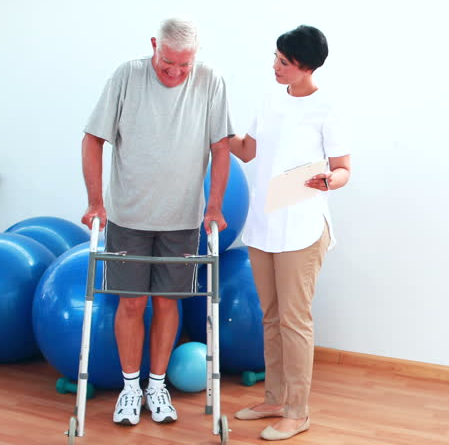
  • Prescribing temporary assistive walking devices
  • Taping
  • Bracing

Patients that tend to have the best outcomes have an exercise program that they continue to perform at home and this is complimented by a regular review with a physiotherapist for re-evaluation and reassessment of their program to maintain optimal results of the program.

Surgery for the knee

Patients who have not had a reduction in pain and disability levels after trialling for physiotherapy for at least a few months may be sent to have surgery. Though you may not have a reduction in pain levels, undergoing physiotherapy the benefits you have achieved can hasten your rehabilitation afterwards. You should be aware that undergoing surgery does not guarantee you will have no pain, and you will be required to begin a rehabilitation program afterwards.

Surgery involves replacing affected parts of the knee joint with artificial parts made of metal or plastic. Your knee will be painful and swollen immediately afterwards and you will need to be seen by a physiotherapist to help manage this and get you walking safely.

Often you will be up and walking the day of your surgery with the help of walking aids and physiotherapists. This not only reduces your length of stay in hospital but it also reduces the likelihood of any medical complications from occurring such as blood clots and chest infections. You will also be shown how to perform knee exercises which encourage movement and reduce stiffness. Once you have left the hospital, you should arrange regular follow up with your physiotherapist the day after you leave to continue to decrease pain, improve range and strength, and achieve activity goals.

When should I consider getting the surgery?

You should NOT consider getting surgery based entirely on your scan of the knee. There are many cases where severe changes on an x-ray are associated with only mild symptoms and moderate changes are associated with severe symptoms. Rather you should decide on whether or not you get surgery based on the following:

Current fitness level – if the knee pain is so severe that you are unable to walk at least 6000-700 steps per day, this can increase the likelihood of you experiencing other medical conditions such as heart and lung diseases. If your knee allows you to be able to complete this amount of steps, you may want to consider undergoing physiotherapy to improve your pain and function in your knee.

Background medical risk – if you have any medical conditions including heart or kidney disease, being a smoker, and diabetes you are at an increased risk of serious medical complications after undergoing surgery and you should consider continuing a physiotherapy approach

Results from non-operative – It is important you have attempted non-operative treatments such as physiotherapy prior to getting surgery for your knee. Even if you have surgery afterwards, your knee will be stronger and have greater range of motion after physiotherapy, and thus lead to better recovery after surgery.

It is important that you realise that not everyone who has knee osteoarthritis requires surgeries and physiotherapy can be an equally effective means of treatment. You should not get surgery simply because an x-ray shows a loss of cartilage as it is possible to have this on a scan and experience no pain.

If you have any questions regarding knee osteoarthritis, feel free to ask one of our physiotherapists. For bookings please call 9672 6752 (Kellyville) or 9871 2022 (Carlingford).

How is your Pelvic Floor?

Your pelvic floor is that taboo topic that everyone really tries to avoid talking about…at least until you have children.

But what if you were more informed about what the pelvic floor does, how it might affect your wellbeing and what you can do to look after your pelvic floor? Well read on if you want to find out!

Some quick facts:

  • Urinary Incontinence affects up to 37% of Australian women and 13% of men
  • 65% of women sitting in a GP waiting room report some form of urinary incontinence
  • Approximately 50% of women who have had children will have some degree of pelvic organ prolapse
  • Even after surgery to mend a prolapse 1 in 3 women will prolapse again

Continence Foundation of Australia (2018). Pelvic Floor and Pelvic Organ Prolapse. www.continence.org.au

What is the pelvic floor?

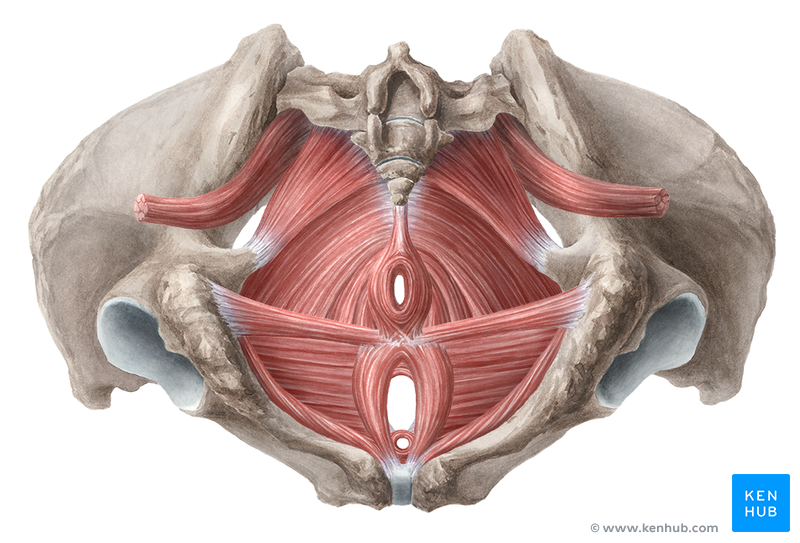
The pelvic floor are a series of muscles that start at the pubic bone (the bone at the front) and extend to the coccyx (the tailbone). The muscles surround our bladder, anus and vagina and help to control our bladder and bowel (continence), help give us an orgasm during sex and provide upward support to our pelvic and abdominal organs. The pelvic floor forms the base of our core thus having good, strong pelvic floor function is very important.

Why does it become weak?

The pelvic floor, like any muscle can become weak if it is not exercised or is put under too much load, namely intra-abdominal pressure (more on that in a sec) and childbirth. Childbirth is the major culprit for weakening of the pelvic floor as the baby has to be pushed out of these muscles through the vagina. Did you know the muscles of the pelvic floor have to stretch so much during childbirth that any other muscle would rupture if it was put under the same stress! However, women who have not had children may also be at risk. These include women who undertake a lot of heavy lifting either in their job or sport, poor breathing mechanics and straining to pass a bowel motion (constipation). These activities all increase intra-abdominal pressure and forces pressure down on the pelvic floor.

Signs of Pelvic Floor Weakness/Issues:

  • Urinary incontinence (leaking small to large amounts of urine when you cough, sneeze, laugh, run etc)
  • Faecal Incontinence
  • Feeling a bulge in or around the vagina (you may also be able to see a bulge in a mirror if the prolapse is significant)
  • Pain with sexual intercourse
  • Recurrent urinary tract infections
  • Difficulty completely emptying the bowel
  • Incomplete bladder emptying or a stream of urine that deviates to one side

How do I exercise my pelvic floor?

NOTE: This advice is very generic advice and these exercises may not be suitable to every person with pelvic floor dysfunction. The efficacy of the exercise relies on correct performance. Performing these exercises incorrectly may worsen your condition. Consult your healthcare provider first if you have any concerns about these exercises and your condition.

To contract your pelvic floor muscles you need to try and think about stopping the flow of urine mid stream. This will result in a lift (contraction of the pelvic floor). You can also see this by placing a mirror between your legs. You should see a lift around the vagina and an in drawing of the perineum.

We have 2 types of pelvic floor contractions – long and short holds

  1. Long Holds
  • Long holds are best used for when lifting an object or performing a pre determined task ie lifting a box
  • You should try to squeeze and hold for up to 10 seconds, then relax for 10 seconds. Repeat this sequence 10 times

2. Short Holds

  • Short holds or rapid contractions are best for times when we need our pelvic floor to rapidly contract such as coughing, laughing or sneezing
  • Aim to perform 2 sets of 15 repetitions

When performing these exercises you don’t want to be gentle. We advise our patients to contract their pelvic floor “like you are sucking up a thick shake”. Like any other muscle of the body you are trying to grow the pelvic floor needs to be challenged with progressive overload to induce change.

When should I see a Physiotherapist?

You should see a physiotherapist EARLY if you notice any of the aforementioned symptoms. The sooner we can identify the issue and provide the right treatment, usually the better the outcome. You should also see a physiotherapist if you are unsure if you are performing the pelvic floor exercises correctly. If you suffer constipation and strain to pass a bowel motion don’t be afraid to tell us! This is really important information to us understanding your condition and what may be causing your symptoms and we can help you. We are as much about prevention as we are treatment.

Ideally conservative management would be the treatment of choice in most conditions as there are high failure rates with surgical intervention especially for pelvic organ prolapses. In some cases surgery becomes necessary however first line of management should be conservative. Beyond exercises for the pelvic floor, physiotherapists have a wealth of knowledge and can be a great resource for advice and education.

What should I expect at my first consultation?

Your physiotherapist will sit down with you and ask a range of questions including what your main symptoms are, when did they start, how are these symptoms impacting your life and what you want to achieve from treatment. They may also ask you questions about your sexual activity, bladder and bowel function and children/childbirth. From this, they may want to perform an internal examination. This is something that will be discussed and you have the opportunity to consent or decline the examination. The internal examination provides us with a lot of detail; we can check the position of the pelvic organs, feel the muscle strength of the pelvic floor, check all the muscles are intact and very specifically determine how long you can hold a contraction for and thus your pelvic floor exercise program.

Your physiotherapist will also address any contributing factors to your issue such as constipation or poor lifting techniques. In some instances they may send you home to complete a diary regarding your bladder and bowel function to further understand your problem. Your first consultation will typically go for approximately 1hour.

Are there any Apps I can get to help me with my exercises?

YES! There is a great pelvic floor exercise app available FREE from the apple store. It is caused KPFE and it’s a pink icon with a big K. Once you download the app you are able to easily setup your own specific program. It also allows you to setup reminders so you never forget to do your exercises.

I’ve ruptured my ACL!!! Do I need surgery?

Playing sport comes with an inherent risk of injury. As much as we would love to prevent major injury unfortunately at times they are inevitable.

Suffering an ACL injury can be season ending. For many years surgery surgery has been a pre-determined sequalae post ACL injury. However our ever evolving world of research is starting to change this trend.

What and where is my ACL?

The Anterior Cruciate Ligament (ACL) is located deep inside the knee joint and forms a cross with its closely related partner the posterior cruciate ligament. Ligaments in general function to increase stability and control joint motion. Thus, when there is no ACL certain motions are unrestricted and more movement in the joint can be elicited. This can make the knee joint unstable especially during rotation or landing movements.

How can you injure your ACL?

ACL injuries can be broadly classified into contact and non contact injuries. Contact injuries occur when something external causes you to lose balance/twist/fall which results in damage to the ligament. This is in contrast to a non contact ACL injury where you were solely in control and the ACL ruptured. The mechanism of injury that triggered your ACL defect is actually really important for your physiotherapist to know as we manage them slightly differently.

ACL injuries are common in sports requiring pivoting, cutting/change of direction, jumping/landing and contact situations. Thus high risk sports include; netball, basketball, soccer, tennis, touch football, oz-tag, rugby league and union and soccer. That is not to say that you won’t injure your ACL doing another activity it is just less likley. In fact we had a patient attend our clinic who stated “I was just running in a straight line and my knee gave way”. This ended up being a complete non contact ACL rupture…this mechanism is by no means common so don’t go giving up on your running program just yet.

Can I prevent ACL injury?

YES, YES, YES!!! Prevention is the best option for reducing your risk of injury. Prevention should start with children commencing their first season of sport and continue throughout life. The same rule applies for adults returning to sport or continuing to play. In recent years some great ACL prevention programs have been developed by Netball Australia and FIFA. The Netball KNEE program has multiple different levels of play and ages so can be tailored to any individual. You can obtain a free copy of the program from the link below.

https://knee.netball.com.au/

The aforementioned programs are heavily geared around preventative exercises which are gold standard practice in injury prevention. However, purchasing correct fitting and sports specific footwear may also help to reduce your risk.

What do I do if I sustain an ACL injury?

In most cases there will be a sudden event in which you may hear or feel a crack, pop or snap followed by pain. The knee will swell up quickly however you may still be able to weight bear on it. If you suspect you have sustained an ACL injury but are unsure you can attend your physiotherapist for evaluation. If they suspect an ACL or meniscus injury they may refer you for an MRI to confirm the extent of the injury. You could also attend your GP who can assess the knee and refer on for imaging.

As soon as the injury has occurred apply ice and elevate the leg to settle both the pain and swelling. If you have a tubigrip (a tight stocking like tube of material) apply it to the knee for some compression.

My ACL is partially torn what now?

Partial tears can definitely occur and can be difficult to detect without MRI. Once this has been determined physiotherapy aims to maintain muscle strength, muscle mass, cardiovascular fitness, proprioception and stability without further stressing the ligament. Depending on the severity of the strain you could expect up to 12 weeks off sport. Partial tears rarely require surgery unless they progress to a full tear.

What about a complete ACL tear what are my options?

So this is where it gets interesting! As mentioned before, in recent years research has started to suggest not everyone needs an ACL reconstructive surgery. There are 2 types of people post ACL injury; copers and non copers. Copers can be classified as people who have good knee stability and are able to compensate after injury whereas non copers experience ongoing instability and little to no compensation. Which category you fall into can really only be determined after 3 months of rehabilitation/prehabilitation.

After this 3 months a mini assessment should be conducted, your results discussed with you and a decision made to continue conservatively or to seek a surgical opinion.

  1. Surgery

If you opt for surgical reconstruction you should be aware that the rehabilitation time is usually 12 months. Surgical intervention comes with significant costs (time, financial) and does not guarantee that you won’t rupture the same ACL (now a graft) down the track/when you go back to sport. In fact this trend has been on the rise over the last few years. There can also be complications of surgery such as DVT, cyclopse lesion, issues with the pins or graft itself. Most surgeries will go uneventfully however risk of re-rupture, especially in an adolescent age group is quite high.

Considerations for choosing surgical or conservative management should account for the following;

  • Has the person done 3 months of high quality rehab?
  • Does the person fall into the copers or non copers group?
  • How stable is the knee joint functionally?
  • What sport does the person play?
  • Does this sport require alot of rotation, pivoting and landing and how stable is the knee under these conditions?
  •  How old is the person and is there any degeneration already occurring in the joint space?

Note: Just because you play a pivoting sport doesn’t mean you will have to have an ACL reconstruction!!! It is all about how well you can compensate for the deficit.

2. Conservative

For some people conservative management is a better choice or may even been an interim choice. 3 months of conservative physio may be recommended to determine if you will fall into the coper or non coper group. This period of time may also be used as prehabilitation. Prehabilitation refers to undertaking a rehabilitation period prior to intervention on the premise the better you go into surgery the better you come out of it. Once we sustain an injury and experience pain around the site we can get what we call muscle inhibition (basically where the muscles don’t activate how they should). This can lead to significant muscle weakness and atrophy if its not addressed.

For some people surgical intervention may not be appropriate. One such group are people with osteoarthritic change (usually 50+) where surgical intervention may rapidly increase the rate of osteoarthritis in the knee. These people should be managed conservatively where possible. An old school train of thought is that without the ACL there will be increased movement in the joint and an accelerated degeneration process. This is in fact false and providing you fall into the copers group there is no reason why you can’t function highly without and intact ACL.

It is important to recognise that an isolated ACL injury is not a medical emergency. You DO NOT need to have surgery the same day or in the following days after injury. You might want to take some time to weigh up your options and discuss with a physiotherapist your thoughts as well as seek advice.

If you have any questions regarding ACL ruptures and management, feel free to ask one of our physiotherapists. For bookings please call 9672 6752 (Kellyville) or 9871 2022 (Carlingford).

Your Guide to Elbow Pain

Elbow pain is a very common issue for so many of us, ranging from a dull ache to intermittently sharp pain.

Overuse or repeated pressure can strain the muscles of the lower arm and put too much stress on tendons. This constant tugging can eventually lead to microscopic changes in the tissue known as a tendinopathy.

The most common types of elbow pain are known as ‘Tennis Elbow’ and ‘Golfer’s Elbow’. Despite their names, these injuries can occur as a result of a range of physical activities – racquet sports, rowing, canoeing, weightlifting, hockey, swimming – as well as repetitive work tasks undertaken in a variety of occupations such as plumbing, painting, cooking, typing etc.

The elbow joint

If you bend your arm, you can feel three bumps at your elbow joint. Injury to the tendons that anchor muscles to the two bumps on either side of the elbow are a common cause of elbow pain. These bumps are:

  • Lateral epicondyle– the bump on the outer side of the elbow. The muscles on the back of your forearm, responsible for curling your wrist backwards, are anchored to this bony point. Pain in this bump is called lateral epicondylitis (also known as ‘Tennis Elbow’). This area is particularly susceptible to tennis elbow because it has a poor blood supply.
  • Medial epicondyle– the bump on the inner side of the elbow. The muscles on the front of your forearm, responsible for curling your wrist up, are anchored to this bony point. Pain in this bump is called medial epicondylitis (also known as ‘Golfer’s Elbow’).

Symptoms of elbow pain

Some of the symptoms of elbow pain include:

  • dull ache when at rest
  • pain when making a fist (golfer’s elbow)
  • pain when opening the fingers (tennis elbow)
  • soreness around the affected elbow bump
  • weak grip
  • difficulties and pain when trying to grasp objects, especially with the arm stretched out
  •  pain aggravated by trying to open jar lids or lift heavy saucepans

Causes of elbow pain

There are a number of circumstances that contribute to elbow injuries. They include:

  • lack of strength or flexibility in the forearm muscles
  • lack of strength in the shoulder muscles
  • instability of the elbow joint
  • poor technique during sporting activities (especially tennis and golf) that puts too much strain on the elbow joint
  • inappropriate sporting equipment, such as using a heavy tennis racquet or having the wrong sized grip on a tennis racquet or golf club
  • repetitive movements of the hands and arms, such as working on an assembly line
  • continuously making the muscles and joint take heavy loads
  • too much too soon eg. Normally you might play tennis twice per week but now you attend a 4 day tournament causing a sudden spike in your load
  • other factors such as neck symptoms or nerve irritation

Treatment for elbow pain

  • exercise, exercise, exercise! Tendons respond best to a very specific loading program prescribed by your physiotherapist. This program is designed to gradually increase the tendons tolerance to load and thus reduce your symptoms
  • soft tissue massage
  • ice massage
  • acupuncture
  • taping or bracing your elbow
  • anti-inflammatory and pain-relieving medication can help you cope with the pain, but do not improve long-term outcomes
  • surgery – in severe long term cases

Prevention of elbow pain

Ways to reduce the risk of elbow injury include:

  • Always warm up and cool down thoroughly when playing sport.
  • Avoid having sudden spikes in your load on a week to week basis. Any change sin loading should be very gradual
  • Make sure you use good technique and proper equipment when playing your chosen sports.
  • Do strengthening exercises with hand weights – your physiotherapist can prescribe the correct exercises for you.
  • Avoid or modify work tasks that put excessive pressure on muscles of the forearm or that include the use of fingers, wrists and forearms in repetitive work involving forceful movement, awkward postures and lack of rest.

Where to get help

Give our friendly staff at PPS Physiotherapy a call if you are suffering any of the above symptoms.

Kellyville : 9672 6752

Carlingford: 9871 2022

How to stay injury free over the christmas period

For most Australians, Christmas is a time for celebration.  Unfortunately, Physiotherapists see many injuries around this season. Whether it’s rolling your ankle at a Christmas party after one too many drinks, a musculoskeletal injury from an intense gym session after months of inactivity, or low back pain from driving long distances, there are a range of injuries to watch out for.

Here are some of our best tips for staying safe over the silly season.

Avoid sitting for long periods

The Christmas/ new year period can be a time where many of us spend time driving long distances to holiday destinations or spend hours on the lounge watching the boxing day test. If this sounds like you, try to get up and move about every 20-30 minutes. These regular changes in posture can reduce the risk of musculoskeletal injuries. While driving in the car it can be tedious stopping frequently so aim for a stop every 1-2 hours. This will also help with driver fatigue and reduce the likelihood of being involved in a car accident.

Watch your posture

The stress of Christmas can often lead to many of us neglecting our backs.  Poor lifting techniques when moving heavy Christmas presents and incorrect posture wrapping Christmas presents can increase the risk of injury.  Remember to keep a wide base of support and squat when lifting, keep the load close to your body and ask for help if something is too heavy. Additionally, ensure that you adjust your posture every 2-3 presents when doing the last minute present wrap.

Stay consistent with training

With the amount of food and drink Australians consume throughout the Christmas period, it’s no surprise that many of us put on a few kilos. As a result, we try to get into a hard-core training regime to shed the unwanted weight. This often leads to overuse injuries.  When resuming training after a break, try to ensure a gradual, planned program back into full activity. This will help reduce the risk of overload or stress related injuries. If you are unsure about how to start an exercise program or increase your training, speak with one of our physiotherapists or a qualified personal trainer who can write a program just for you.

Get enough sleep

The silly season can cause havoc on our sleeping pattern; late nights wrapping or building presents, cooking or watching Christmas movies can mean that we get very limited shut-eye.  To ensure that we have enough energy to interact with relatives and enjoy the Christmas break, plan some early nights. We recommend at least 8 hours sleep.  There are some great sleep apps you can get these days and most Fitbits or similar devices can track how much and the quality of sleep you are getting. Perhaps that could be a great Christmas gift?

Know your limits

This is a big one! Every year we have at least 1 or 2 people with a funny but very painful Christmas time story as to how they sustained their injury. If you havn’t ridden a skateboard for 30 years, Christmas day after a few beers is possibly the worst time to give it a go. We are all for our patients having fun but be aware of the consequences should it go wrong. In case of emergency, it is best to go straight to the hospital where you can receive immediate care as most other services will be closed on the public holidays. PPS Physiotherapy will be closed Christmas Day, Boxing Day, New Years  Eve and New Years Day. We will be operating on restricted hours over the other remaining days in the holiday period.

Don’t ignore the pain

If you do injure yourself over the holidays, don’t ignore the pain! So often we see patients come in after having months of pain. The sooner you come in to treat the injury, the quicker the recovery process will be. Physiotherapists are highly qualified and trained to assess and treat all sorts of injuries and will help you get back on the beach again.

What are the Top 5 Sports Injuries?

Every time a professional athlete steps on the playing field, there will always be a risk of injury with the potential for a career-ending one. That is why athletes spend a lot of time training their body to reduce the risk of sports injury. They also take ample precautions such as warm-up exercises before and after each sports activity to minimise the chances of injury.

See: Sports Physiotherapy and Injury Management

If professionals take these necessary steps to prevent sports injuries, you as a sports enthusiast also need to know the risk when engaging in physical activities, especially contact sports.

Here are the Top Five most Common Sports Injuries that you need to know:

1. Muscle Strain

Also known as a pulled muscle, a muscle strain occurs when the muse is torn or overstretched due to intense physical activity or improper use. Strain can happen to any muscle in your body but the hamstring, lower back, neck and shoulder muscles are the most common. Symptoms of muscle strain include soreness, limited range of movement, swelling, stiffness and some spasms.

To prevent muscle strains, it is important that you warm up properly before any physical activity. You should also be careful not to overextend your movement. You should consult a physiotherapist immediately for both acute and chronic muscle strains to ensure the quickest recovery possible.

2. Ankle Sprain

One of the most common sports injuries is the ankle sprain. This injury happens when you accidentally twist or turn your ankles from falls, slips, rolls and other types of impact. These push the range of your ankles over the limit which causes the ligaments that hold your ankle bones and joints together to tear or stretch. Symptoms include pain, swelling, tenderness and inability to put weight on the sprained ankle.

sports injury - ankle sprain

Most ankle sprains are not serious and will heal on their own. However, the injured ankle may not be as stable as before. A physiotherapist can prescribe exercises that can help strengthen the ankle muscles and return your normal balance.

3. Shin Splint

Shin splint is the common name for medial tibial stress syndrome, which refers to the pain at the shin bone. This injury is caused by the repetitive and excessive force on the shin bone and the tissues and muscles that surround it. People who engage in stop-start sports such as basketball, tennis and soccer are most likely to develop shin splints. Symptoms of shin splints include a dull ache or pain in the front part of the leg, either side of the shin bone and along the inner part of the lower leg.

4. Fractures

A fracture is a broken bone that ranges from a simple crack to multiple complete breaks. Fractures are caused by an intense force that is more than the bone could handle. This injury is accompanied by intense pain in the affected area that gets worse when you touch it or move. Acute fractures can be easily diagnosed as there may be visible deformity in the area. Fractures can also develop from repetitive stress over time.

Once a fracture is healed, you will need physical therapy to regain the mobility of the injured area.

5. Dislocation

A dislocation occurs when a bone in the joint area slips or pops out of position. This type of injury is usually caused by a sudden impact common in contact sports like basketball or football. A dislocation is easy to spot and the area may be swollen and bruised. Treatment for a dislocation is usually repositioning into the correct position. You will need a physical therapist to improve your mobility when it heals.

Recovering from sports injuries?

Schedule a physiotherapy session with our professional physiotherapists at PPS Physiotherapy. Call us on (02) 9871 2022 or visit us at Suite 4, 7 Lloyds Ave Carlingford for more information.

Overcoming Your Poor Posture

As it turns out, all of those times your parents or grandparents told you to “sit up straight” and “stop slouching” had some merit.

Unfortunately for most Australian’s, postural dysfunction is a common issue and leads to a wide range of often avoidable problems.

What is Posture?

Posture, by definition, is the position in which our bodies are held when we sit, stand or lie down. Good posturing means that we use the most efficient amount of muscle energy to keep our joints aligned against the downward pull of gravity.

poor posture

Posture can affect your overall health and wellbeing in a number of ways

Muscles and bones: When your body is in a slouched position, stress is placed on certain bones, muscles, and ligaments. Your muscles start doing the majority of the work which may cause overload and muscle imbalances. When your muscles are doing most of the work, your bones will start to become weaker, and this can eventually lead to back pain, and can even contribute to osteoporosis.

Digestion:  Standing and sitting with good posture allows your internal organs to assume their natural position, allowing the natural flow and function of your gastrointestinal tract. Slouching has even been attributed to digestive issues such as acid reflux and hernias

Headaches: Tension headaches are another common side effect of poor posture. Office workers tend to experience more headaches simply because they are putting so much tension and strain on their bodies by sitting all day.

These headaches are commonly attributed to poorly set up work stations. To reduce the risk of tension headaches ensure that desks and monitors are at an appropriate height, chairs are supportive and computer accessories are ergonomically designed for comfort.

Mood:  When the body is slouched and constricted, it prevents it from working optimally which results in a poor mood.

When the body remains in a seated position for an extended period of time, all of your internal processes slow down. As a result, your energy levels decrease. You may start feeling irritable, tired or aggravated.

How can I maintain good posture?

STANDING

When in standing, maintaining a good postural position can be difficult. This is simply because the entire body is unsupported, and all of our muscles and joints have to work against gravity.

In order to maintain good standing posture, be mindful of the following point:

  • Keep your head in the neutral position – ensure your chin isn’t too far forward and your earlobes are in approximate alignment with your shoulders.
  • Keep your shoulders pulled slightly backwards – Don’t let your shoulders round and slump forward as this pulls on your upper back, pushes your head forward out of alignment and causes stress to the shoulder joint.
  • If you are required to stand for a prolonged period of time, try shifting your weight from on foot to the other, or from our heels to your toes. This changes the distribution of your weight and gives your tissues a break from the position they have just been maintaining.

straightening posture

SITTING

Sitting for long periods of time can affect our posture.

Be mindful of the following points when trying to maintain good sitting posture.

  • Keep your head in a neutral position
  • Keep your shoulders pulled back slightly
  • Avoid sitting in soft, squashy chairs for long periodsUse lumbar rolls to support your lower back when sitting in regular chairs or driving the car
  • Switch to ergonomic chairs, keyboard and mouse in the office or for any activity that requires you to sit for long periods of time
  • Ensure your thighs are roughly parallel to the ground. They may be slightly higher or lower depending on comfort and how well your chair can support you
  • Use a footrest wherever possible in order to keep your feet at a slight angle and maintain correct thigh position
  • GET UP and STRETCH every half hour or hour, if possible. This will give your body a break and allow your organs to get the oxygen they need.

If you are an office worker or are required to sit for prolonged periods, it is worthy to discuss your desk and ergonomic set up with one of our physiotherapist.

best desk posture

LYING

Lying down can be a very comfortable position for most people, however lying in poor position can aggravate existing injuries or create new injuries.

When lying down, be mindful of the following points to maintain good lying posture.

  • Make sure your mattress is supportive enough to keep your spine straight when lying on your side.
  • Use a pillow that supports your neck.
  • Avoid sleeping on your stomach as this requires extreme motion of the neck and puts the lower back into an overly arched position. If you must sleep on your stomach, put a pillow under your hips and turn your head frequently from side to side

comfortable sleeping posture

What about braces and supports?

There is often a misconception that using braces and supports for sustaining posture is cheating. FALSE! They are often VERY USEFUL. Braces and supports that keep the body in good alignment help to teach your body what is the best postural position. This is particularly true if you need to maintain specific posturing eg standing or sitting for a prolonged amount of time.

At PPS we have a number of braces and supports that can assist in maintaining good posture. Chat to one of our friendly physio’s if you have any questions or think they may be suitable for you.

accessories for maintaining posture

One last thing…

Don’t forget about the PPS Physiotherapy YouTube Channel which contains many helpful exercises. Here is just one of our postural videos that may be of benefit to you.

Dry Needling

What is Dry Needling and is it for me?

Whether you know what dry needling is or not, chances are you’ve heard of it being thrown around the group chat at some time or another. You may have heard it’s an amazing form of treatment or maybe that it wasn’t so great! Either way, let’s have a closer look and answer some of those questions that might be floating around about dry needling.

dry needling
So what is it?

Dry needling, also known as trigger point needling or western acupuncture depending on the specific technique used, involves the use of acupuncture type needles being introduced into trigger points in muscles to stimulate a ‘twitch’ response resulting in ‘release or relaxation’ of the trigger point… a trigger point being a hyperirritable, taut band of muscle.  And what do we mean by dry?  Dry needling simply meaning one without medication.

The basis of the technique is to restore normal muscle function and is to be used in conjunction with an exercise program which is also targeted at improving biomechanical impairments leading to muscle dysfunction and myofascial trigger point formation. Thus it is an integrated approach which aims to target the underlying cause for the muscle dysfunction not just treating the result, eg pain.

As this is dry needling and NOT Traditional Acupuncture, the treatment effect relies on different rationale. Your physiotherapist may also use western acupuncture which again is not the same as traditional Chinese Acupuncture. The difference is simply that Chinese Acupuncture is based on traditional medicine practices which use the body’s energy channels or meridians, which are linked to organs and bodily functions to guide treatment. Western acupuncture may use similar points in the body but utilises a different rationale for why it works.


What are the benefits of Dry Needling?

There are a number of proposed benefits of dry needling and the research into this form of treatment has significantly increased over the past 10 years!

Dry needling aims to reduce central sensitisation, also known as the central nervous system’s hypersensitivity to pain, reduce local and referred pain, improve muscle activation patterns leading to improved range of motion and can also result in chemical alterations around myofascial trigger points. These trigger points can occur from unaccustomed muscle loading as well low-load repetitive tasks and sustained postures such as sitting at a desk at work!

So how is it done and what does it feel like?

Dry needling is a sterile technique utilising single use needles, gloves and alcohol wipes to limit the risk of infection. The whole treatment usually only lasts a few minutes and involves the insertion of the needle into the skin which is then fished around to stimulate twitch responses. So is it going to hurt..? Generally, you won’t feel the insertion of the needle. What you will feel is a dull ache which is a good feeling and a twitch in the muscle is a great feeling in regards to treatment efficacy. You may experience a dull ache post therapy and the sensation of a cork feeling which is completely normal and will settle down over the next couple of days at worst. You will often still walk out with reduced sensation of pain despite the dull ache you may experience. To help soften the achy effect you may use ice or heat post treatment.

 types of dry needles

What are some common conditions dry needling can help with?

Dry needling is super effective for a number of conditions and can show positive effects before you have even left the room. It is often used for acute pain reduction and a ‘reset’ type function to allow for rehabilitative exercises to be more effective and easier to perform.

Some common conditions we use dry needling for include:

  • Tennis and golfers elbow
  • Hip bursitis and gluteal pain
  • Lower back pain
  • Shin splints or plantar fasciitis
  • Calf strains
  • Trapezius pain
  • Neck pain or tension headaches

Is dry needling safe?

Dry needling is a very safe treatment when performed by trained professionals and serious side effects are very rare – less than 1 per 10,000 treatments. These can be explained by the treating physiotherapist and do not relate to a number of treatment areas. The technique used is a clean, sterile technique which limits any risk of infection.

As with any treatment there may be some associated side effects which your practitioner will discuss with you and may include drowsiness, nausea or minor bleeding or bruising.

Is it a one session fixes all type treatment?

Like any physiotherapy treatment you will be required to perform some corrective exercises along with the dry needling. Often the dry needle will reduce the pain from the local issue but does not necessarily fix the root cause of the problem. This is where the exercises come in. Like any injury or condition this may require a few sessions to teach the body how to operate effectively and reduce the likelihood that the condition or injury will return! For some clients including athletes you may prefer to come in for maintenance type therapy and utilising dry needling to help reduce muscle tightness or to stay on top of known problem areas.

Can it be used for everyone?

Almost! Dry needling is suitable for most people but like most therapies there are some more high risk patients who we would be less likely to utilise this treatment for. Some of these patients include those who are in their first trimester of pregnancy, have blood clotting disorders, patients at higher risk of infection for example post-surgery and those who have a phobia of needles!

So hopefully you’re now better informed as to whether or not dry needling would be a good treatment addition for you! If that’s the case come in and see us or if you have any further questions as to whether it is beneficial for you give us a call on 9871 2022 or 9672 6752.

dry needling

The Exos Bracing System

Have you ever broken a bone in summer and had the burden of lugging around a heavy cast?

Not being able to participate in all the fun things this season has to offer?

Luckily for you, at PPS Physiotherapy we have a solution!

THE EXOS BRACING SYSTEM

the EXOS bracing system

What is the Exos Bracing system?

Exos is a new bracing system that can be used as a great alternative to traditional plaster and fiber glass casts. Its advanced technology allows our physio’s to mould the brace directly on to patients for the best possible fit, comfort and stabilisation.

Exos bracing can be used to treat fractures (breaks in a bone), dislocations, sprains and ligament injuries.

Why use Exos Bracing?

Reformable

o   Exos products can be reheated several times. This allows for simple remoulding, if the original application is not correct or if at a later date adjustments are required to account for anatomical changes, as healing progresses.

Customizable

o   Exos braces come in a variety of colours – from plain black to pink and spotty, there is a colour to suit you.

EXOS bracing system

Easily applied and removed

o   In the application stages, the brace can be warmed to the point of being almost rubbery in consistency. It is then gently moulded for a snug, comfortable custom fit.  Over the next few minutes, the brace hardens to a firm, cast-like consistency, fully capable of supporting the injured part.  Using the Boa® dynamic compression closure system, the brace can be tightened or loosened as required, maintaining a secure and comfortable fit.

o   The  Exos brace can be easily removed without the use of a cast saw to examine the fracture/wound site.

Waterproof

o   Exos products can be fully immersed in water for prolonged periods, allowing patients to continue daily activities such as showering and swimming.

Lightweight and low profile

o    Exos material is 25% to 50% lighter than fiberglass or plaster.

o   The braces are easily concealed under clothes and are ideal for patients who have a hard time wearing traditional casts.

Adjustable

o   Exos uses the exclusive Boa® reel and lace dynamic closure system allowing for;

  • expansion for initial swelling and to reduce the risk of compartment syndrome.
  • tension modification for custom fit despite atrophy changes in soft tissue.
  • improved patient comfort and fit.

Antimicrobial and easily cleaned

o    The Exos can be washed with soap, so build up of bacteria and odour is greatly reduced.

cleaning and using EXOS bracing system

How do I know if Exos Bracing will be for me?

If you think you have an issue that will require Exos bracing give our friendly staff a call today on 9672 6752 (Kellyville) or 9871 2022 (Carlingford) to make an appointment. Our Physiotherapists can assist you in determining which casting option and style will best fit you.

EXOS bracing system